
The Primary Health Care Corporation (PHCC) has offered tips for those planning to perform Haj in order to safeguard their health.
“Proper nutrition and healthy food choices are essential for pilgrims, as performing Haj requires a great deal of physical exertion,” said Moudhi al-Hajri, director of the Dietetics and Community Services at PHCC.
To get prepared for Haj season, pilgrims are advised to exercise for at least 3-4 times a week. Walking is essential for pilgrims to improve fitness and be physically ready for Haj.
Al-Hajri advised pilgrims to eat in moderation, noting what the Prophet (PBUH) said: "A human being fills no worse vessel than his stomach. It is sufficient for a human being to eat a few mouthfuls to keep his spine straight. But if he must (fill it), then one third of food, one third for drink and one third for air." (Sunan Ibn Majah 3349, Book 29, Hadith 99).
Further, al-Hajri said pilgrims should also pay attention to the quality of food consumed to stay healthy.
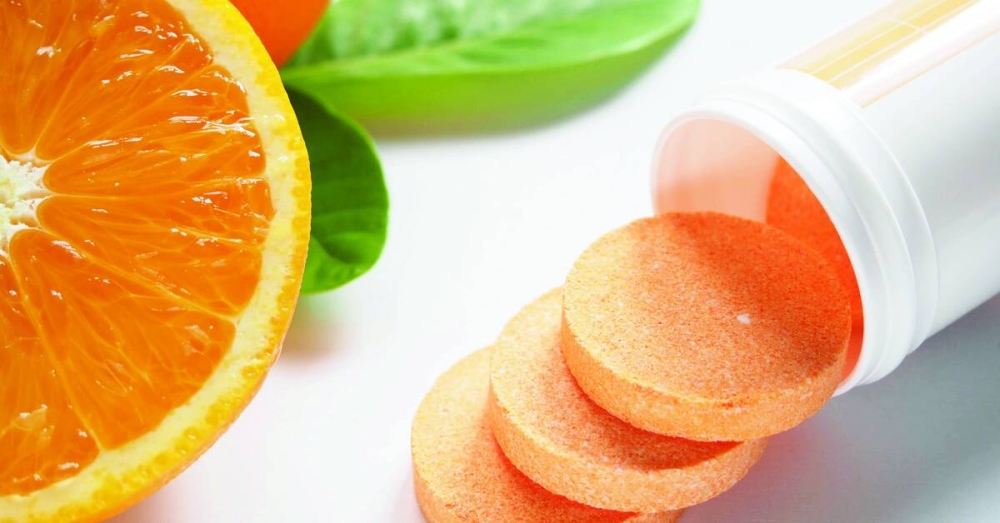
Vitamin C, found in guava, orange, kiwi, tomato and bell pepper, works as a prevention and treatment for colds and flu common during the Haj season, besides providing stress relief and protection from environmental toxins such as benzene, pesticides, nicotine and heavy metals.
As this year’s Haj occurs during the summer season, pilgrims may get dehydrated through sweating. Al-Hajri advised pilgrims to drink water to stay hydrated and avoid feeling tired and unwell. Water is the best choice to compensate for the loss of fluids, stay healthy, and protect the kidneys, she added, noting that pilgrims should always carry refillable water bottles while performing Haj rituals.
Water also helps keep the cartilage between the joints flexible, thus facilitating joint movement.
Pilgrims who suffer from diet-related chronic diseases, such as diabetes, high blood pressure or high blood cholesterol, are advised to stick to their nutritionist’s diet plan and take the medicines prescribed by their doctor on time.
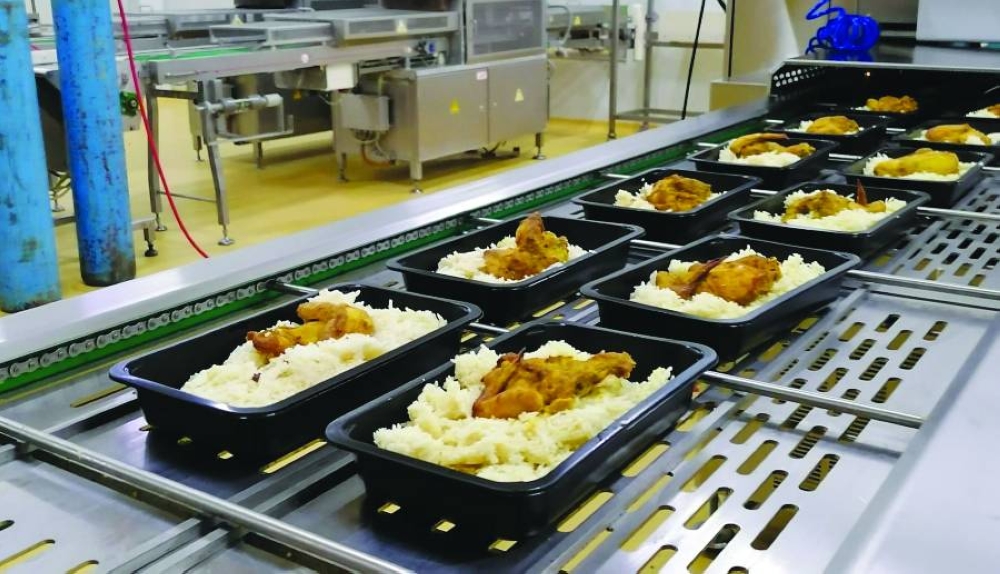
Al-Hajri highlighted the importance of food safety to prevent diseases and reduce the risk of infections by avoiding direct contact with others and washing their hands thoroughly before eating, noting that they should not eat from unknown places or street vendors for their own safety. They should also avoid eating uncooked foods, such as shellfish, or pre-packaged salads containing mayonnaise, egg, chicken or tuna, as these are more susceptible to contamination or spoilage, she added.
In addition, pilgrims should avoid fast-spoiling foods if left for a while after cooking, such as fish or chicken.


Moudhi al-Hajri