Author

Monday, February 16, 2026 | Daily Newspaper published by GPPC Doha, Qatar.
 Joseph Varghese
Joseph Varghese
A journalist with a penchant for reporting events, Joseph Varghese digs deep to unearth facts. With several years of experience, including at Gulf Times, Joseph handles health, science and technology, IT and education in addition to everyday developments.
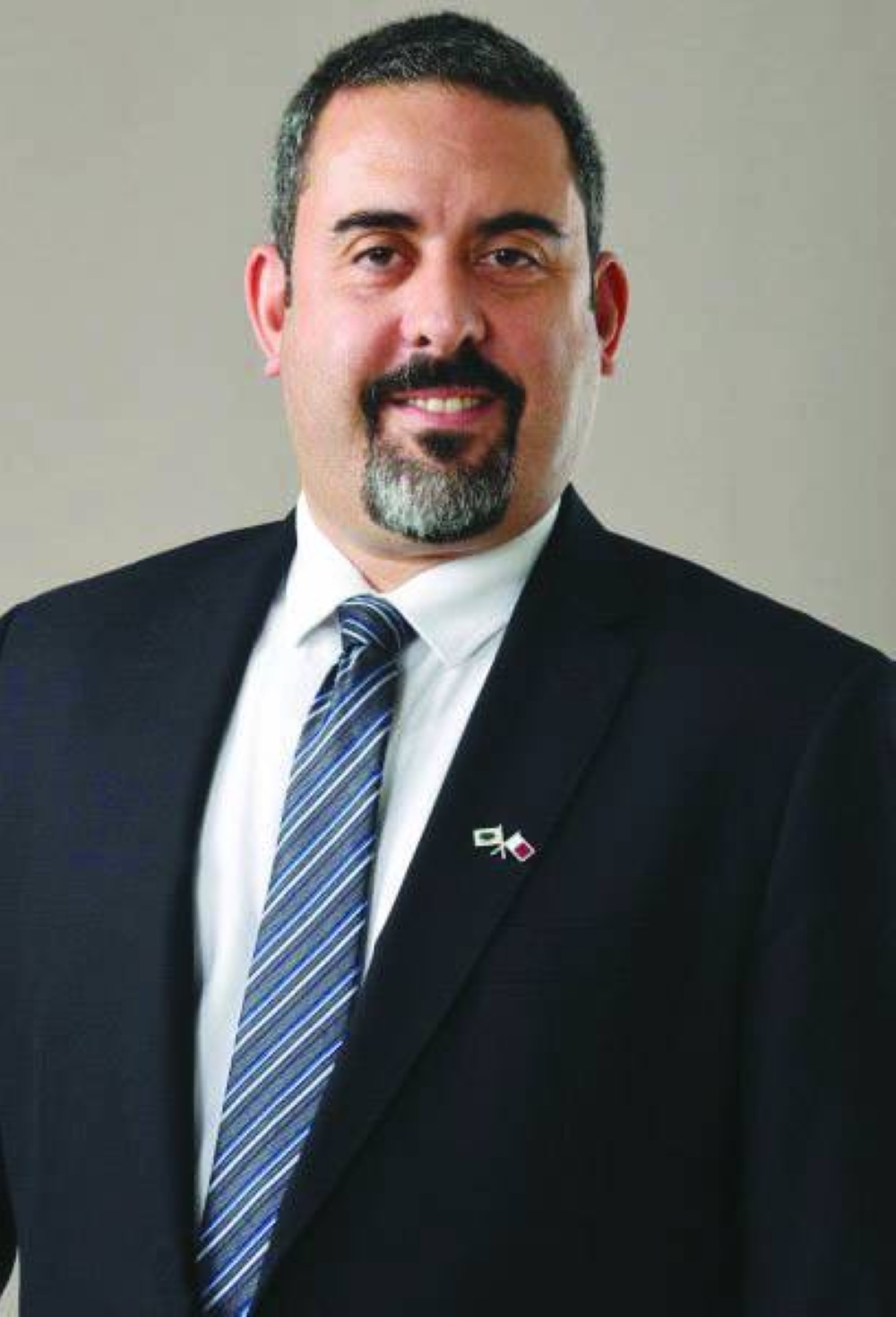
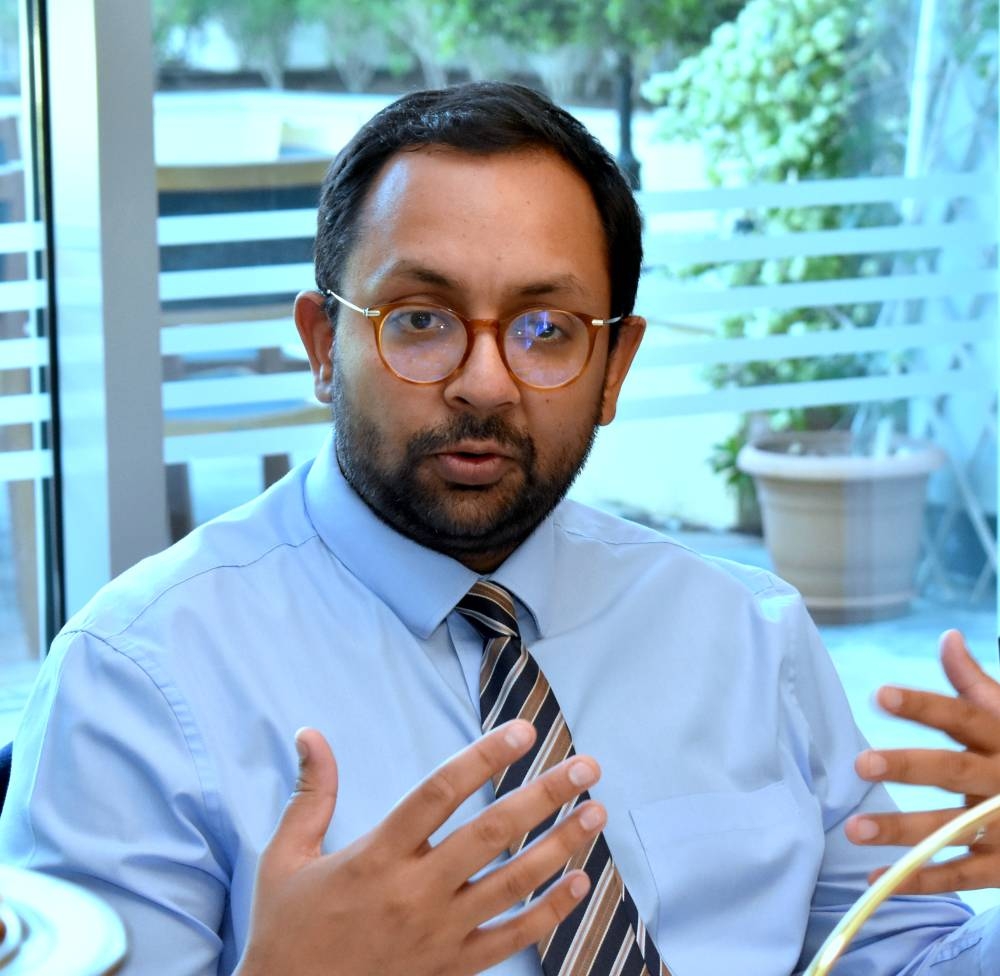
British ambassador Neerav Patel makes a point. PICTURE: Thajudheen
Qatar
Qatar-UK to ink significant pacts during upcoming state visit of Amir: UK envoy

Emphasising that ‘Qatar is the UK's leading development partner in the Gulf’, the British ambassador, Neerav Patel said several significant pacts will be inked during the upcoming state visit of His Highness the Amir Sheikh Tamim bin Hamad al-Thani to the UK on December 3 and 4.“This is a really special moment for the relationship between the UK and Qatar. It is only the third state visit to the UK in Qatar's history. It will be the first state visit for an Arab leader under King Charles III,” said the ambassador at a recent press conference.“I really think that this is going to be a generational moment, a chance for us to renew the partnership, renew the relationship for another generation. We will be signing several agreements during the visit which comprise of multiple areas,” explained Patel.The British envoy said certain areas of cooperation will be defence and security; economy and energy, global cooperation and people to people relationship, though details will be made available only during the state visit.He remarked: “What we're trying to do is to touch on every aspect of the relationship. Defence and security is one of the most important pillars of our relationship. In terms of the air force, the UK has got only one joint squadron anywhere in the world since World War II, and that is with Qatar. It is unique, nowhere else on the planet do we have such a relationship.”“What we are now looking to do is to thicken up the relationships in the defence area and also enabling areas such as digitisation, AI and intelligence. What we're looking to do is to come up with a comprehensive plan so that both countries are ready for the future environment. We hope to push forward cooperation on other areas of security that range from cyber to policing, counter-terrorism, counter-drugs activity, providing security for big public events, including learning from Qatar's experience of the World Cup,” continued Patel.As for economy and energy, the ambassador said that the UK relies on Qatar's LNG as part of its energy mix.“At its height, I believe, Qatar provided 25% of UK's liquid natural gas needs in 2022. What we are keen to do is to keep that going but branch into clean energy as well and to have clean energy partnerships where both countries are investing in new technologies and new startups that will become the unicorns of the future. So the UK's ambition is to become a clean energy superpower and we would really love for Qatar to be a partner in that,” elaborated the envoy.According to Patel, another area of cooperation is international cooperation. “On any international visit with leaders from one country to another, we will be talking about all of the important situations that are going on at the moment in the world, in particular in the region. I am sure the leaders will be talking about Gaza, about Lebanon, about wider instability, but they will also be talking about the essential role that Qatar is playing on mediation both in the region and more broadly,” he pointed out.He remarked: "We believe along with the government of Qatar that we won't have a sustainable calm across the region unless we can find a resolution on Gaza. I'm sure that the leaders will talk about the invaluable efforts that Qatar has been making to mediate on Gaza more widely, repatriating Ukrainian children seized by the Russians, its role in finding deals and mediation and progress in countries ranging from Afghanistan to Venezuela."”“The final pillar or area of cooperation is on the people-to-people links, which is really important. The UK is really proud to call itself Qatar's oldest friend in the western world. Our relationship goes back 160 years and more. The UK is second home for so many countries, particularly London" added the ambassador.

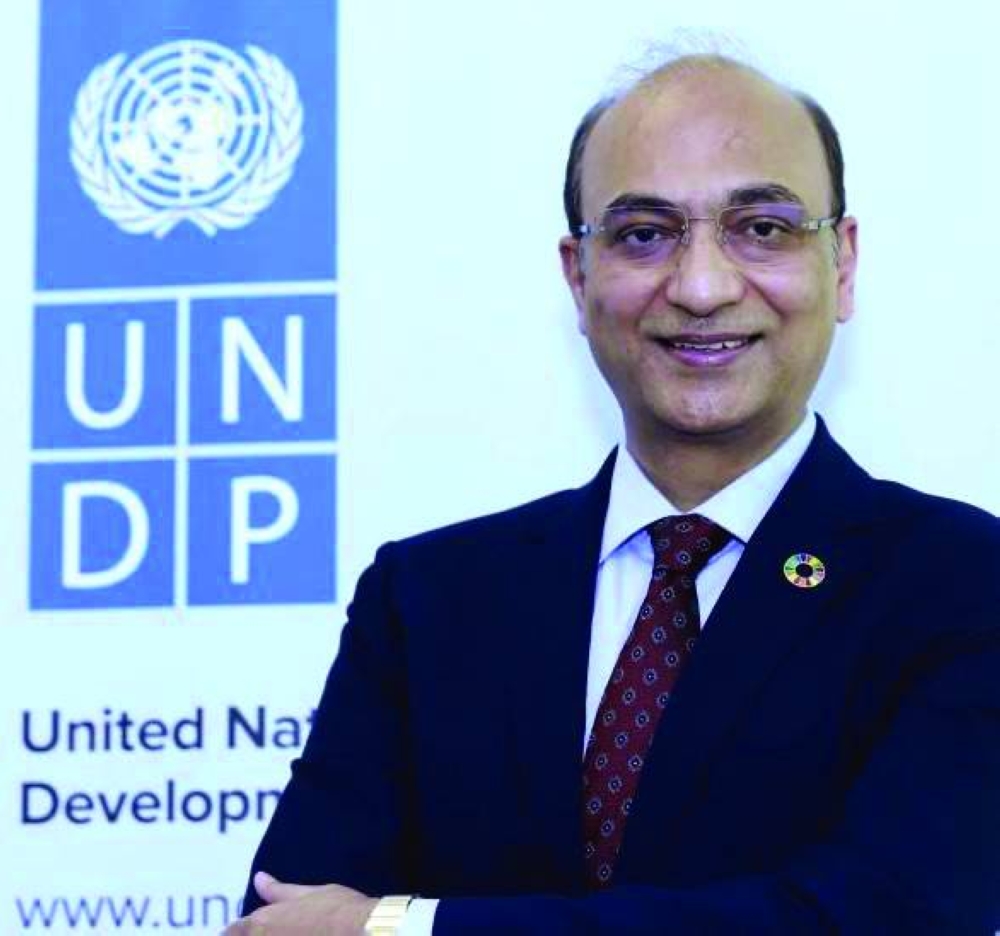
Dr Biplove Choudhary
Qatar
UNDP official lauds Qatar's approach on sustainable progress

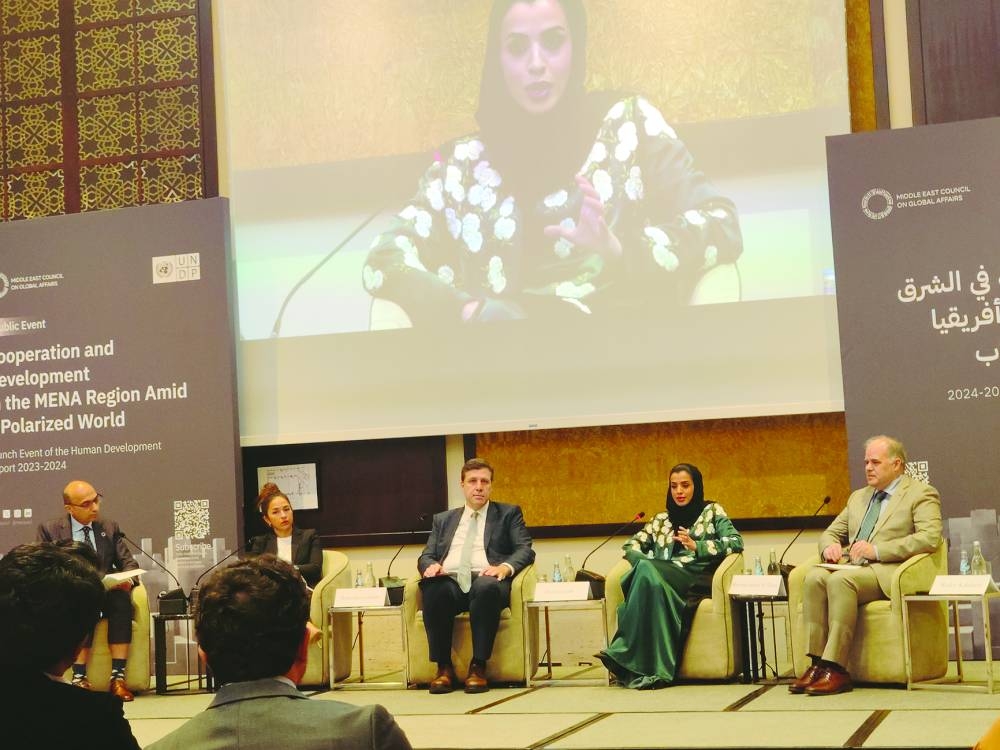
The head of the office of the UN Development Programme (UNDP) in Qatar has praised the country’s approach on sustainable progress and the efforts on building a skilled and productive population."Qatar has chartered a great path in human development through a number of initiatives," Dr Biplove Choudhary, technical representative and the head of UNDP office in Qatar, told Gulf Times on the sidelines of the Qatar launch of the UNDP Human Development Report 2023-2024.“Qatar’s strong performance in the Human Development Report ranking 40th globally in 2023-2024, reflects its commitment to enhancing quality of life through visionary leadership and strategic planning. The third Qatar National Development Strategy, aligned with the Qatar National Vision 2030, emphasises human development by focusing on education, healthcare, and economic growth,” he explained.“By prioritising human capital, innovation, and inclusivity, Qatar aims to further accelerate sustainable progress. This approach, centred on building a skilled and productive population, sets a benchmark for resilience and forward-thinking national strategies, reinforcing its global standing in development,” he remarked.The event hosted by the Middle East Council for Global Affairs also saw a panel discussion titled, ‘Co-operation and Development in the Mena Region Amid a Polarised World’ discussing the UNDP report and its impact in the region.According to Dr Choudhary the report has fundamentally shaped how development is viewed not just as economic growth, but as the expansion of people's freedom, choices and opportunities.“The Human Development Report has consistently sparked global conversations, influenced policy decisions, and inspired action by presenting rigourous analysis, thought-provoking insights and forward-looking recommendations. The implications of the UNDP report for policy and practice, are reflected on what it means for our connected future, both globally and here at the GCC and in Qatar,” he continued.The report titled ‘Breaking the Gridlock: Reimagining cooperation in a polarised world, notes that the global Human Development Index is projected to reach record levels in 2023. It also notes that inequality is on the rise again: after 20 years of convergence, the gap between the richest and poorest countries began to widen from 2020. The poorest and most vulnerable countries are being left behind.The report is an invitation to reimagine co-operation by pursuing ideas that it encourages the world to fight for. It says that it is imperative to pursue common ground while accepting that people will have the right to retain their diverse interests and priorities.The report highlights that people must be enabled to pursue their legitimate and natural human security ambitions without protectionism. It focuses on what gives people to shape their lives free from fear, want and living without dignity. From the energy transition to artificial intelligence, discussion of risks and challenges needs to be rebalanced with the consistent articulation of the potential to live.Finally the report points to a 21st century architecture for international co-operation to deliver global public goods. “This includes the planetary public goods required to navigate from climate change mitigation to pandemic preparedness to biodiversity preservation as well as the digital public infrastructure and digital public goods that would enable the digital revolution to be harnessed to enable people to flourish in more equitable ways,” adds the report.

Sheikha Amna (second right) speaking at the panel discussion
Qatar
Government efforts enabled Qatar's private sector perform for common goods

Taking the private sector along to deliver the long-term goods can help the GCC governments bring in good results, noted a Qatari entrepreneur, highlighting the impacts of private-public sector collaboration in Qatar.In Qatar and the other GCC countries, traditionally governments used to be the sole provider or the subsidiser of all the projects, pointed out Sheikha Amna Mohammed Suhaim al-Thani, chief executive officer, Strategy Hub.She was speaking at a panel by the Middle East Council for Global Affairs in Doha on Wednesday. The discussions focused on the 2023-2024 Human Development Report by United Nations Development Programme (UNDP)."However, while governments continue to be the main provider, there has been a shift with governments becoming a regulator providing the private sector a greater role. I think if you allow the private sector to be in the middle of delivering the long-term goods, there will be a much better result than what it has been in the past,” she observed.Noting that private sector is more agile and known for growing innovation and managing resources, Sheikha Amna said that it has a lot more resilience and adaptability.“The private sector is known for using data-driven insights and organisations, developing robust education institutions, research development, innovation centres that are able to gather large-scale data and then provide recommendations based on those findings. As part of our work at Strategy Lab, we develop impact assessments and through that we help to leverage the public and the private sectors.”Sheikha Amna also pointed out importance of making use of Artificial Intelligence ( AI) and its great potential for the future. “I think that countries that are able to leverage AI and use it to expedite progress, will extremely benefit for the delivery of global public goods and the support of human development,” she noted.Discussing the major contents of the UNDP report, she said that at the very heart of Qatar National Vision and the National Development Strategy, noble ideas for global public progress are embedded.“One the pillars of Qatar National Vision, is environmental protection, which relates directly to climate change as a global public good. And if you take that example and you dig deeper, you will find that Qatar, through its National Vision and Development Strategy, has developed clear metrics on reducing energy emissions, preventing biodiversity loss, investing in green climate funds and among others. So in so many ways, the country has embedded global public goods in its National Strategy. And I can say that all GCC countries have developed meaningful metrics to reduce carbon emissions for all the last few years.”She commented that Qatar has over the years developed large-scale infrastructure projects, education projects and a robust health system standing the test of time.“In addition, you'll also find that at the heart of the Qatar National Vision is the priority given to human capital development. And in that, we have prioritised education, developing robust public health systems, investing in innovation and technology, investing in that ecosystem as a whole,” added, Sheikha Amna.Other speakers in the panel titled ‘Cooperation and Development in the Mena Region Amid a Polarised World,” included Nader Kabbani, senior fellow and director of research, Middle East Council, Ahmet Aysan, professor of Islamic Finance and Economy,Hamad Bin Khalifa University and Noha Aboueldahab, assistant professor of International Law, Georgetown University in Qatar. The session was moderated by Biplove Choudhary, technical representative and head of office, UNDP office in Doha.

Dr Trish Kahle
Qatar
Renewable energy is not sustainable without justice: GU-Q professor

An academic has highlighted that the energy policy is really about people and it is not just a material to be governed, as it is a political relationship with the people who extract it.Dr Trish Kahle, an assistant professor at Georgetown University in Qatar (GU-Q) said: “ How energy is governed in a country is the key to understanding its political system and agenda” while launching her first book 'Energy Citizenship: Coal and Democracy in the American Century.'Recently published by Columbia University Press Dr Kahle’s book highlights that energy and its governance have a profound impact on society as the foundation of political economy.Dr Kahle’s book delves into the human side of energy, offering a new perspective on the history of coal miners in America and the imprints they have left on the country's laws and political imagination. Yet her research is not confined to American history alone, it also addresses broader global trends affecting governance and injustice worldwide.“Labour injustice and environmental destruction associated with extractive mining has a long life, and can undercut a government’s aspirational claims to democracy, and people’s ability to participate in it, even if they receive financial benefits,” noted the academic.The connection between American energy and labour governance to global systems of inequality means that the book’s insightful treatment of the role of coal miners in shaping foundational energy justice principles offers a new understanding of energy citizenship critical to today’s discussions about a sustainable energy transition.“A shift to renewables isn’t enough to achieve energy justice on a global scale. You have to build a better energy system in order to achieve environmental justice,” she highlighted.Dr Kahle further discussed themes of labour justice, sustainable futures, and the process of decolonising energy humanities in the Gulf region at the book launch event hosted by the Center for International and Regional Studies (CIRS). Director of CIRS, Zahra Babar, moderated the event in conversation with the co-leaders of the CIRS Energy Humanities Research Initiative, Dr Kahle, Dr Firat Oruc, and Dr Victoria Googasian.In her book Dr Kahle examines the struggles of coal miners and the rights they fought to secure, from the Progressive Era in the 1880s through President Reagan’s election in 1980. She also emphasises the core contradictions between the mines as an engine of democratic politics, and a source of violence, oppression, and environmental destruction. The result is a strong case to rethink energy production in terms of its human costs and benefits, rather than solely thinking of the environmental costs and benefits. Whether the energy raw materials are used at home or abroad, considerations for energy laborers need to be at the heart of energy policy.“The message from this particular history has lots of resonance with today’s push to decarbonise energy systems,” advised Dr Kahle, who while writing the book has also concurrently read accounts of industries driving the renewables industry such as cobalt mines in the Congo, and lithium mines in Latin America.“I’m seeing this same story playing out again, but there is still time to make a difference. We have to realise that renewables are not inherently more just simply because they are not fossil fuels. Decarbonisation is not energy justice if you are perpetuating the same forms of extractivism and global inequality,” she added.

The report suggests a multisectoral approach to tackle childhood obesity in Qatar.
Qatar
WISH report moots framework for tackling childhood obesity in Qatar

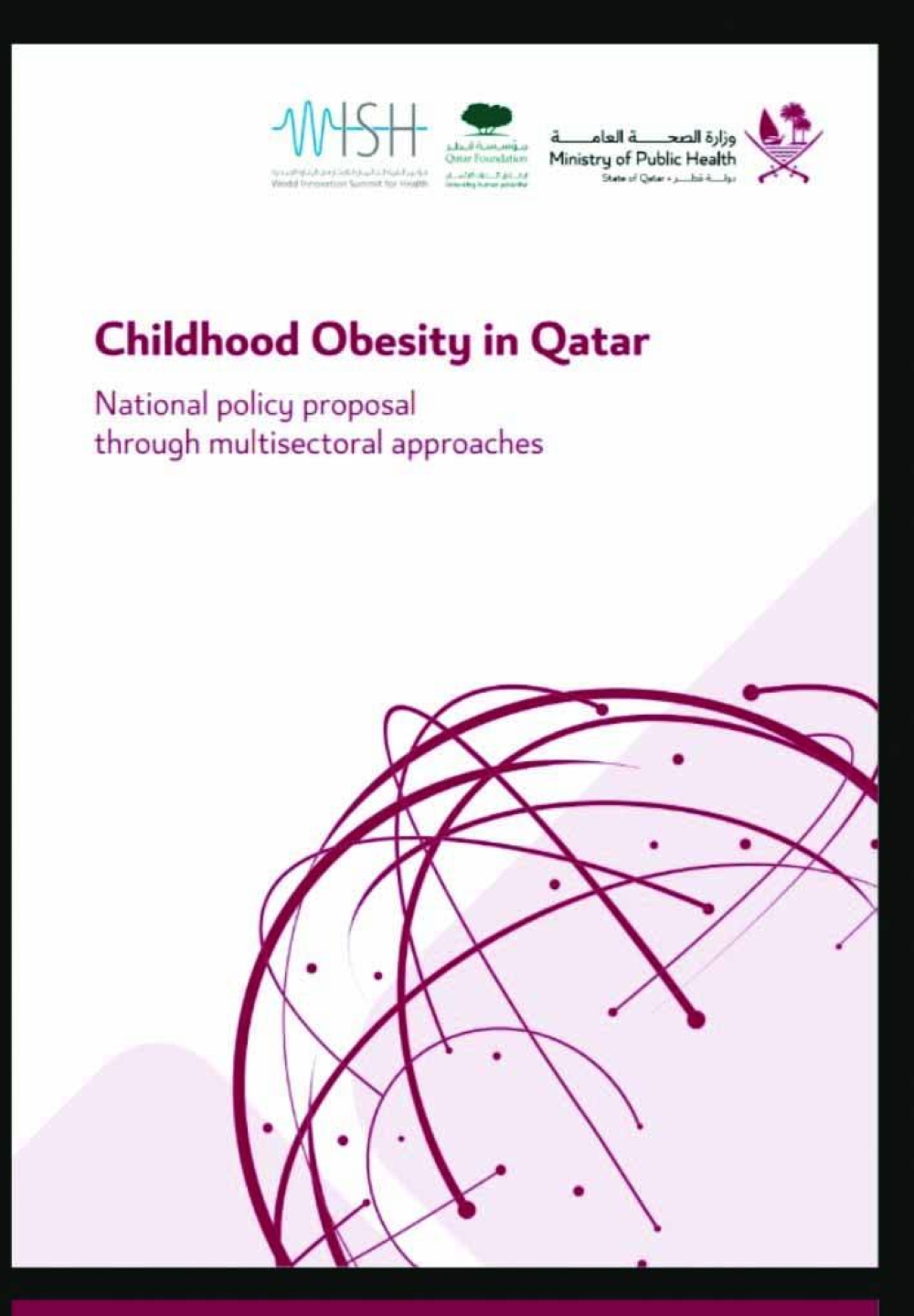
A research report by the World Innovation Summit for Innovation (WISH), the global health initiative of Qatar Foundation provides a comprehensive plan to contain obesity in children in Qatar through a multisectoral approach.Titled ‘Childhood Obesity in Qatar National policy proposal through multisectoral approaches,’ the report prepared by a team of leading officials and researchers in Qatar, highlights the challenges in containing childhood obesity and the need for joint efforts to counter it.The report assumes more significance as the county recently launched an action plan to tackle obesity, diabetes and modifiable risk factors for cardiovascular diseases at WISH 2024, which concluded in Doha Thursday.The policy report covers the mechanisms within the wider context of a recommended bespoke multisectoral model to address childhood obesity in Qatar. The report also makes policy recommendations to guide the development of effective interventions that promote healthy behaviours and lifestylesThe recommendations point to policy framework in areas such as: Food and nutrition; Health sector practices; Built environment; School settings; Family and community; and First 1,000 days of an infant.Typically, prevention and promotion policies in the health sector cover four main mechanisms: Fiscal measures such as taxes and subsidies; Laws and regulations as well as community engagement and informative education campaigns.Among the recommendations in Food and nutrition sector is the development of a framework for front-of-package labelling for Qatar that adopts a nutrient-specific warning system, and mandate its application. It also suggests to set guidelines to control and limit advertising of unhealthy food and beverages across all platforms targeting young children and adolescents.The report recommends developing guidelines for food product placement in physical outlets and digital platforms, giving prominence to healthy options and limiting unhealthy food within children’s reach.Other recommendations are to continue communicating the updated Qatar National Dietary Guidelines and develop advocacy programmes; evaluate impact of existing excise tax policy in Qatar and explore its expansion based on recommendations from Ministry of Public Health and explore mechanisms to make healthy food more affordable, including fruits and vegetables.Among the health sector practices the report looks at building on existing multistakeholder task forces and working groups to support with evidence-based guideline development and ‘good practice’ obesity prevention, screening, and treatment. It also points to expanding obesity treatment services and enhance integration with primary health service providers among others.Other major recommendations are to adopt and implement the Open Space Recreation and Sports Facilities Development Guidelines that encourage physical activity for everyone, irrespective of gender or ability; improve School Canteen Guidelines and promote their adoption by all schools and enhance screening for maternal obesity to identify women, and at-risk neonates, for education and close monitoring.

Dr Slim Slama
Qatar
New WISH CEO to focus on innovations in healthcare

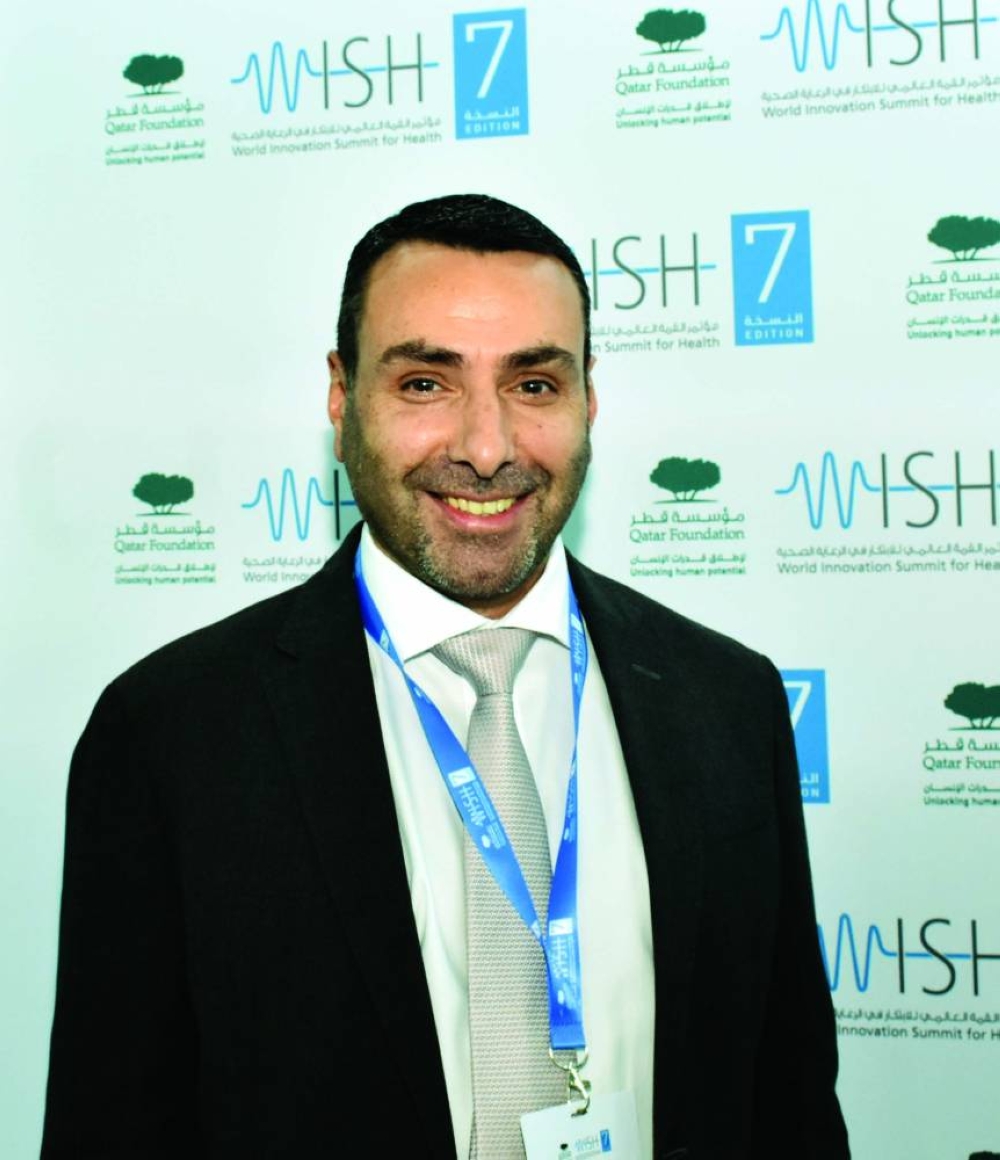
Bringing in more innovations in healthcare in a way that is much more embedded, is one of the top priorities for the new CEO of the World Innovation Summit for Health (WISH).Speaking to Gulf Times Wednesday Dr Slim Slama, said: “Our priority is also consolidation of the ideas and we have a national development vision. There is a lot of things happening in Qatar at the moment in the area of research and development and innovation."Dr Slama said that the WISH is of great focus but what comes before and after the event also matters a lot. “And for me, the vision I would have is to not only maintain the momentum of the Summit, but also to be able to mobilise it locally. We need to mobilise the academic and research institutions, and also the NGOs,” said the official.Dr Slama who was formerly working with the World Health Organisation (WHO) said that the reports presented at WISH carry a lot impact and need to be implemented in their true spirit.As for the collaboration with WHO, he said that with an agreement signed already with WISH, there are several reports jointly organised with WHO and presented this year at the Summit.“We will seek, of course, WHO's guidance as a global health authority. But we will also have different partners to have collective actions. There will be implementation after the recommendations that will emerge from the discussions.”“I think we would like to maintain this in line with the national agenda. We will be finding a balance between supporting the domestic agenda, as Qatar has adopted the new national strategy,” he added.

HE Dr Hanan Mohammed al-Kuwari addressing the opening session of WISH 2024 on Wednesday.
Qatar
Qatar witnessed 'incredible transformation' in healthcare: HE al-Kuwari

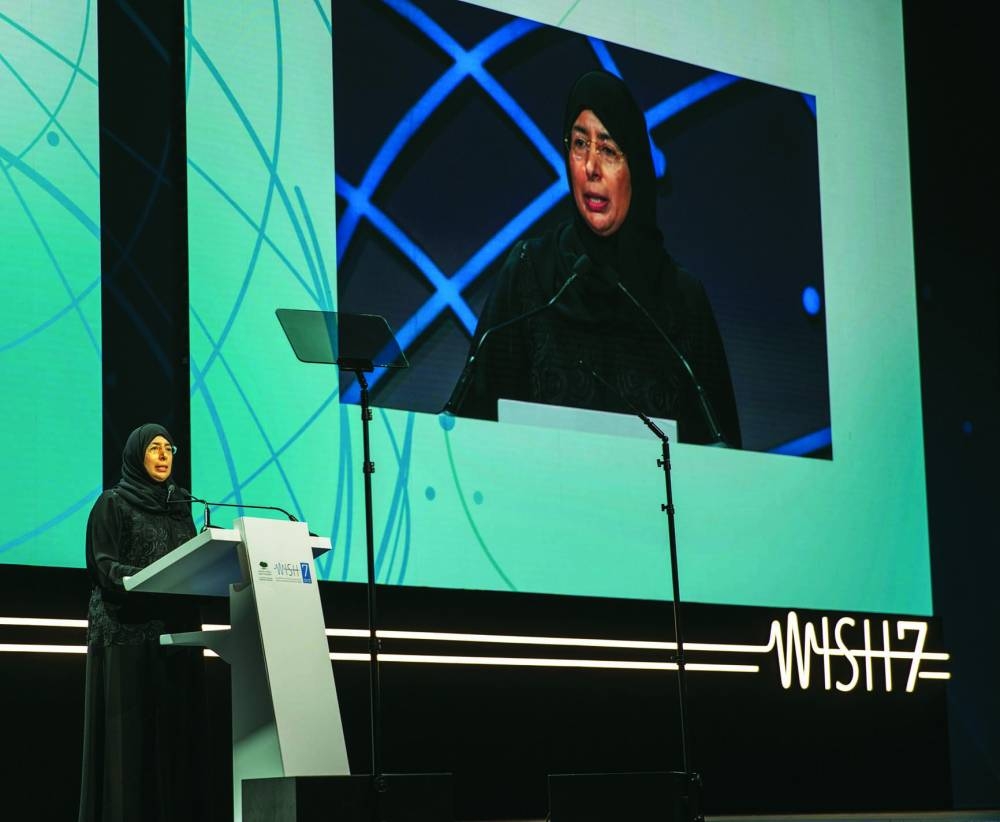
Qatar has witnessed great transformation in healthcare over the years, making it a world class health system, noted the former Minister of Public Health HE Dr Hanan Mohammed al-Kuwari on Wednesday.“Under the unwavering and unlimited support of His Highness the Amir Sheikh Tamim bin Hamad al-Thani, and driven by Qatar National Vision 2030, Qatar has established a robust, world-class health system,” she told the opening session of the World Innovation Summit for Health (WISH) 2024.“At WISH, we strive to present the world's most cutting-edge ideas and scientific advancements, but we also focus on confronting the urgent health challenges before us. Qatar holds a firm belief in our shared responsibility to foster understanding, drive progress and uphold the spirit of global cooperation,” Dr al-Kuwari explained.The former minister commented that building upon the milestones attained by the health system, the Ministry of Public Health launched the third National Health Strategy for 2024-2030. “This strategy aims to enhance the health and well-being of the people of Qatar through excellence in service provision while ensuring sustainability and efficiency across an integrated, resilient health system,” she continued.“ This year's theme of WISH ‘Humanising Health, Conflict, Equity and Resilience, reflects our commitment to addressing the profound health challenges people face worldwide, especially those who have and continue to endure unimaginable hardship. We see this in the resilience personified in the story of a young Palestinian girl, Dareen al-Bayaa whose life changed when she lost her entire family in one day, reminding us of the human cost of conflict,” she highlighted.Dr al-Kuwari commented that the toll of war and displacement has tested humanity's resilience and underscored the urgent need for peace, health and protection and the opening day’s panel session on ‘Protecting Health in Armed Conflict’ focuses on this aspect. “This is about rebuilding lives, restoring hope and reimagining a future defined by compassion, adaptability and resilience. And it is in this spirit that the 7th edition of WISH is organised in collaboration with the World Health Organisation,” she pointed out.“Let us, together, shape a future where health is genuinely humanised and no community is left behind. Thank you for your commitment, for your partnership, and for joining us in this journey,” concluded Dr al-Kuwari.

Gulf Times
Qatar
WISH 2024 focuses on key health challenges

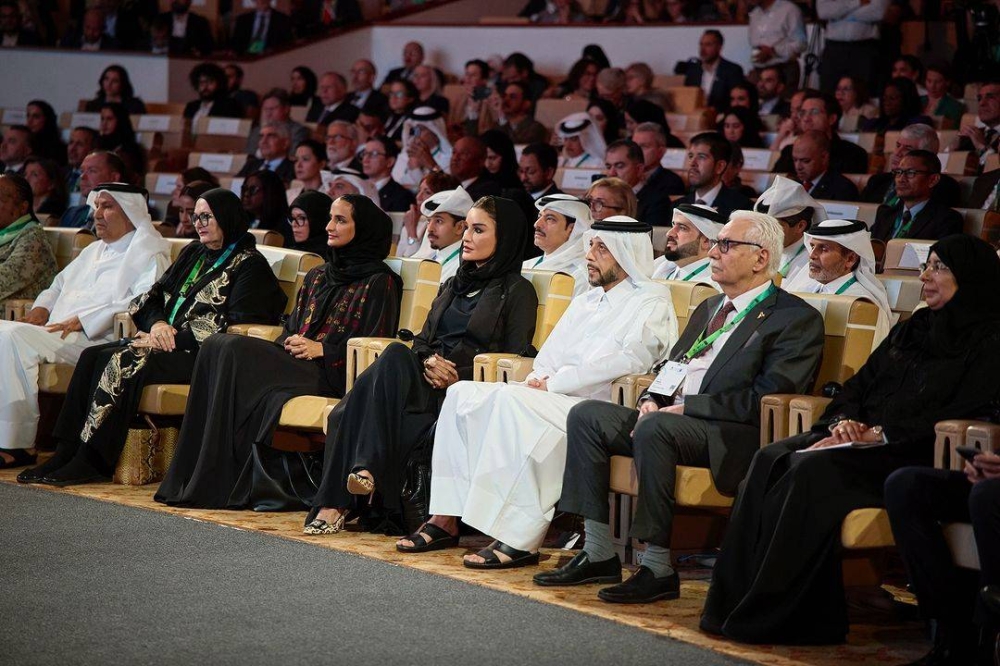
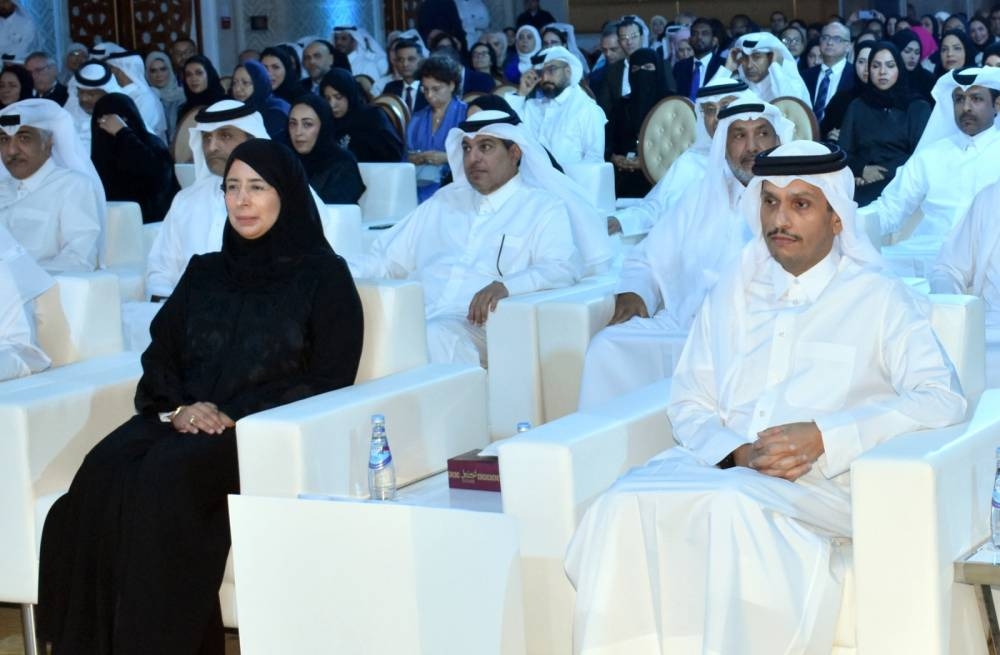
Focusing on various challenges and the need for innovations in healthcare and with deliberations on some of the key current healthcare topics, the 7th edition of the biennial World Innovation Summit for Health (WISH) started Wednesday in the presence of Her Highness Sheikha Moza bint Nasser, Chairperson of Qatar Foundation (QF).WISH, the global healthcare initiative of QF, is held under the theme, ‘Humanising Health: Conflict, Equity, and Resilience’ this year. The two-day summit is being attended by a number of luminaries and delegates from around the world.Present at the opening ceremony were QF Vice Chairperson and CEO HE Sheikha Hind bint Hamad al-Thani, HE the Minister of Public Health Mansoor bin Ebrahim bin Saad al-Mahmoud, the former Minister of Public Health HE Dr Hanan Mohamed al-Kuwari, WISH executive chair Lord Darzi of Denham, and Médecins Sans Frontières president Dr Christos Christou, among other dignitaries.Speaking at the opening session, HE Dr al-Kuwari, said: “Under the visionary leadership of Her Highness Sheikha Moza bint Nasser, WISH continues to expand as a global community committed to making healthcare accessible and humane.“At WISH, we strive to present the world’s most cutting-edge ideas and scientific advancements. But we also focus on confronting the urgent challenges before us, particularly given that Qatar holds a firm belief in our shared responsibility to foster understanding, drive progress, and uphold the spirit of global cooperation.”The summit underscores the need for health innovation that supports everyone, leaves no one behind, and builds resilience, particularly for vulnerable communities and in regions affected by armed conflict.Lord Darzi highlighted the challenges faced by those working to provide care during armed conflict. He said: “War is a healthcare catastrophe. There can never be any justification for targeting healthcare personnel or infrastructure – it is purely and simply wrong. We must stand together to condemn such actions and honour those who courageously continue to provide care in the most appalling conditions.”Reflecting on the summit theme of conflict, equity, and resilience, Dr Christou said he was gravely concerned that attacks on healthcare facilities and workers have become the “new norm”.“We need to know that there is a place that is respected, and that place is a hospital. We are scrambling without basic medicines, anaesthetics or antibiotics. There are many doctors in Gaza who are amputating on children without anaesthetic, for example,” Dr Christou said.When asked about the neutrality of Médecins Sans Frontières, he reiterated that the values of the organisation remain consistent, and they treat all in need, but doctors “have a mandate to bear witness, to be a voice of the voiceless.... Neutrality means many things, but it does not mean silence.”A film shown during the opening ceremony told the story of 11-year-old Dareen al-Bayaa, a Palestinian girl who lost 47 members of her extended family as a result of a devastating attack on her home in Gaza, with only Dareen and her five-year-old brother surviving and being taken to Doha for medical treatment. “Why is it OK for me to suffer? Is this fair?” asked Dareen in the film.Ahead of the summit, WISH entered into a strategic partnership with the World Health Organisation (WHO), collaborating on the development of a series of evidence-based reports and policy papers, as well as working with the United Nations’ health agency to develop a post-summit implementation strategy.The summit has brought together more than 200 experts in health to discuss evidence-based ideas and practices in healthcare innovation with the aim of addressing the world’s most urgent global health challenges.Day one of the summit hosted discussion forums based on reports published by WISH and the WHO, alongside roundtable discussions and open sessions.The opening session was followed by a discussion based on the joint WISH and WHO 2024 report titled ‘In the line of fire: Protecting health in armed conflict’, chaired by Richard Brennan, the regional emergency director of the Eastern Mediterranean Regional Office of the WHO. He was joined by expert speakers including Yousuf al-Khater, president of Qatar Red Crescent Society; and Sigrid Kaag, the United Nations’ Senior Humanitarian and Reconstruction Coordinator for Gaza.

Prof Abdul-Badi Abou-Samra at the diabetes care symposium. PICTURE: Thajudheen
Qatar
Qatar to launch action plan on obesity, diabetes, modifiable risk factors

Qatar will launch the Action Plan (2024-2030) on Obesity, Diabetes and Modifiable Risk Factors for ASCVDs (Atherosclerotic cardiovascular Diseases) at the World Innovation Summit for Health (WISH) 2024 Thursday, coinciding with World Diabetes Day.Prof Abdul-Badi Abou-Samra, co-chair, National Diabetes Committee and director, Qatar Metabolic Institute, Hamad Medical Corporation, revealed some of the details of the plan at a diabetes care symposium at the University of Doha for Science and Technology.“The Action Plan aims to prevent and optimally manage diabetes, obesity and modifiable risk factors. It plans to empower the public, patients, and the healthcare professionals to address the challenges of obesity, diabetes and modifiable risk factors,” said Prof Abou-Samra.The official noted that the action plan aims at several areas such as obesity reduction, enhanced diabetes management and risk factors control among others. He explained: “The Action Plan 2024-2030 includes 58 projects targeting diabetes and obesity prevention and management in Qatar combining ongoing efforts such as screenings, primary care empowerment and guidelines update with newly proposed projects. Each project is assigned to specific institutions responsible for structured implementations. The National Diabetes Committee will monitor the progress of the projects, ensuring alignment with health priorities and achievements of the expected outcome.”According to Prof Abou-Samra, the Action Plan 2024-2030 targets reduction in obesity prevalence among Qatari population from 39.7% to align with the non-Qatari levels (32.2%) focusing on proactive management and comprehensive public health efforts across all age groups.“It also aims to enhance diabetes management by stabilising diabetes prevalence through advanced treatments, weight management and new tools for blood glucose monitoring. Qatar aims to reduce complications for both Type 1 and Type 2 diabetes supported by initiatives like Qatar Genome Project for Precision medicine,” continued the official.With 37% adults having three or more risk factors in the country, the action plan aims to decrease it to 30% by empowering primary care, expanding national screening and intensifying prevention programmes to reach 75% of the targeted population.“As we advance toward implementing the action plan, we are focussing on comprehensive strategies to address the root causes of obesity and diabetes in Qatar. Our approach aims to empower individuals, families and communities with the knowledge and resources to make healthier choices while strengthening preventive healthcare services and enabling primary care to deliver care closer to home,” highlighted Prof Abou-Samra.He said that there were two consultation workshops to prepare the action plan.“We had six months of development, six drafts and 50 subject matter experts reviewed the draft. International consultants have also reviewed the document, and we have had multidimensional diabetes committee meetings, and eight key committee and the department engagements,” he added.

Some of the dignitaries at the event. PICTURES: Thajudheen
Qatar
UDST symposium highlights Qatar's efforts at combating diabetes

The third diabetes care symposium organised by the University of Doha for Science and Technology ( UDST) outlined a roadmap for diabetes care in the country as well as the present challenges and the current trends in non-communicable diseases.At the event, Sheikh Dr Mohamed bin Hamad al-Thani, director of Non-Communicable Disease Prevention Programmes, Ministry of Public Health (MoPH) revealed the findings of the STEPwise survey 2023 conducted in Qatar and highlighted the progress made in meeting the challenges posed by non-communicable diseases. He also pointed out that more actions are needed to meet the challenges and the public should follow a physically active lifestyle to prevent such diseases.Held the under the theme "Empowering Person-Centered Diabetes Care and Innovation’’ held in collaboration with the National Diabetes Committee, MoPH, and Novo Nordisk, the symposium highlighted Qatar’s commitment to enhancing diabetes care and education.In addition to Sheikh Dr Mohamed: Prof Abdul-Badi Abou-Samra co-chair, National Diabetes Committee, MoPH and director, Qatar Metabolic Institute, Hamad Medical Corporation (HMC); Dr Rayana Ahmed Bou Haka, official representative of the World Health Organisation office in Qatar; and several researchers, guests, faculty and students were present at the symposium.The symposium featured a dynamic programme, including presentations, panel discussions, and an exhibition showcasing innovative advancements in diabetes care. This year's theme aligns with the International Diabetes Federation's vision for 2024–2026, aiming to improve the quality of life for diabetes patients by empowering healthcare professionals and students with the necessary knowledge and skills.Dr Salem al-Naemi, president, UDST, commented: "This symposium serves as a vital scientific forum for healthcare professionals, where they exchange ideas and concepts on the latest trends in diabetes care. Through this symposium, we aim to empower healthcare providers to apply the latest strategies that contribute to improving the quality of life and health outcomes for diabetes patients. Diabetes represents a major global health challenge, and this symposium highlights the importance of collaboration and innovation in addressing this challenge."Prof Abou-Samra, emphasised the importance of the forthcoming Action Plan (2024-2030) on Obesity, Diabetes and Modifiable Risk Factors for ASCVDs (Atherosclerotic cardiovascular disease) which will be officially launched at the World Innovation Summit for Health (WISH) 2024 on November 14th coinciding with World Diabetes Day.Venkat Kalyan, vice president and general manager of Novo Nordisk Gulf, underscored the critical need to raise awareness about diabetes as a severe, chronic, and recurrent condition that has reached high prevalence levels in Qatar.An exhibition took place alongside the symposium, featuring participation from several prominent healthcare institutions and private sector organisations, including MoP), the National Obesity Treatment Centre, the National Diabetes Research Centre, and the Diabetes Education team of the Qatar Metabolic Institute, HMC, Primary Health Care Corporation, Sidra Medicine, The View Hospital, Qatar Diabetes Association, Ali bin Ali Medical, Wellcare Group, and Gateway Technology Healthcare. Additionally, UDST’s Master of Science in Diabetes Care and Patient Education Programme was highlighted during the event.

Sheikh Dr Mohamed bin Hamad al-Thani addressing the symposium on Monday at UDST.  PICTURE: Thajudheen
Qatar
Qatar’s diabetes prevalence drops 1.35%: STEPwise Survey

Paying rich dividends to the policies and efforts of the country, the diabetes prevalence in Qatar, as per the findings of the STEPwise Survey 2023, stands at 15.35%, marking a drop of 1.35% compared to the previous survey in 2012.This was announced by Sheikh Dr Mohamed bin Hamad al-Thani, Director, Non-Communicable Diseases Prevention Programmes Department, Ministry of Public Health, on Monday, at a diabetes care symposium at the University of Doha for Science and Technology (UDST).“In the STEPwise survey of 2023, there is a 1.35% decrease among the respondents having high fasting glucose or being treated for high fasting glucose compared to the previous survey in 2012. In the 2012 STEPWise survey it was 16.70% and it has been reduced to 15.35% as per the latest survey,” he explained.A total of 7,448 people participated in the 2023 survey, including 3,459 women and 3,989 men, aged 18-69. The respondents comprised a total of 3,686 Qataris (2,106 males and 1,580 females) and 3,762 non-Qataris (1,883 males and 1,879 females), according to the official, who clarified that the 2012 survey covered only Qataris.The 2023 survey assessed several risk factors. It included behavioural risks including tobacco use, unhealthy diet, physical inactivity; biological risk factors of overweight and obesity, raised blood pressure, raised blood glucose and abnormal blood lipids.There were three different steps of risk factor assessment such as questionnaire, physical measurements and blood and urine samples.Sheikh Dr Mohammed pointed out that the 2023 survey was delayed due to Covid-19 pandemic. He also revealed several other findings of the survey suggesting steady progress in several areas of non-communicable diseases and risk factors.“In Obesity, there is a decrease from 41.40% in 2012 to 39.20% in 2023 marking a steady improvement. Similarly, the percentage of respondents who smoke has come down from 16.40% in 2012 to 12.50% in 2023. There is a decrease of 3.9% in smokers.”Sheikh Dr Mohamed said there is also a 14% reduction in the number of respondents having three or more risk factors. It was 50.6%in 2012 and 36.7% in 2023. However, there is a decrease of 14.9% in people who do not eat enough fruits and vegetables compared to the previous survey and the respondents in 2023 spent 17 minutes less per day doing physical activity in comparison with the previous survey.According to Sheikh Dr Mohammed, Qatar’s multifaceted approach has shown progress in addressing non-communicable diseases in the country and continued efforts are essential for a healthier future. He also urged the communities to leave their smartphones for some time on a daily basis and engage in more physical activities regularly.“The improvement could at least partially be attributed to the policies implemented so far and various interventions at different stages. Despite the improvements, non-communicable diseases along with risk factors still impose a great threat to the population. Continued efforts in health promotion, health in all policies and the Healthy Cities initiative are crucial for a healthier future,” he added.

Mehdi Benchaabane
Qatar
QF's Education City High School adopts open campus model

Qatar Foundation’s (QF) Pre-University Education (PUE) is transforming secondary education through the establishment of the Education City High School by combining students from three of its schools.Qatar Academy Doha (QAD), Qatar Academy Sidra (QAS), and Qatar Academy for Science and Technology (QAST) are the schools working under this innovative and forward-thinking model.Mehdi Benchaabane, executive director of QF International Baccalaureate (IB) Schools and director of QAD and Education City High School, in an interview published on QF website highlights that the open campus model is central to the vision of Education City High School.“The idea for Education City High School emerged three years ago as we looked at QF’s multiversity strategy and the concept of an open campus. At the time, we saw an opportunity to foster collaboration between QAD and QAS with the aim was to pool our resources and create a more balanced educational experience” said, Benchaabane.“This model evolved further when QAST joined us, bringing the Advanced Placement programme with a focus on STEM education. The integration of these schools not only enriched the academic experience but also laid the foundation for Education City High School, which now operates with the core principles of resource-sharing, personalised pathways and an open campus model,” He explained.According to the official, the Education City High School offers a range of academic pathways designed to accommodate students’ varied interests, strengths, and aspirations.“When we combined students from different schools to share resources, our main goal was to broaden the range of choices and tailor the learning experience to each student’s needs.We began by expanding subject options within the IB Diploma programme, then introduced the IB Career-related Programme, which was authorised last year. When QAST joined, we added the STEM High School Diploma programme with Advanced Placement courses , providing a third pathway for students,” continued, Benchaabane.Last year the school introduced a fourth pathway through the collaboration with the Ministry of Education and Higher Education, strengthening the high school diploma with external validation, to offer more flexibility for personalised learning.According to Benchaabane, the Education City High School allows students to access the vast resources of Education City, including universities, research centres, and innovation hubs. He noted: “This principle is built on the belief that learning should not be confined to a single school; instead, students should be immersed in an ecosystem where they can engage with higher education institutions, industry professionals, and cutting-edge research.”The school, with a capacity for 550 students, primarily serves those from QF schools but is expanding to welcome more external students. “This year, 25 non-QF students joined, and we aim for up to one-third of our capacity to be filled by them, enriching our community and broadening access to quality education. Admission considerations are the academic performance, behaviour, attendance, and a student's commitment to personal development. Each academic pathway has specific requirements, and we work to place students in the programme that best aligns with their needs,” highlighted the official.“The open campus model allows students to move between buildings, fostering independence and preparing them for university life. Additionally, the model is physically represented in the way students move between buildings for their classes,” he pointed out.“Moreover, we plan to extend the benefits of this location to the wider community by offering after-school programmes and access to our facilities. This will allow students from other schools to experience life at Education City High School and take advantage of the unique resources available here,” added, the official.

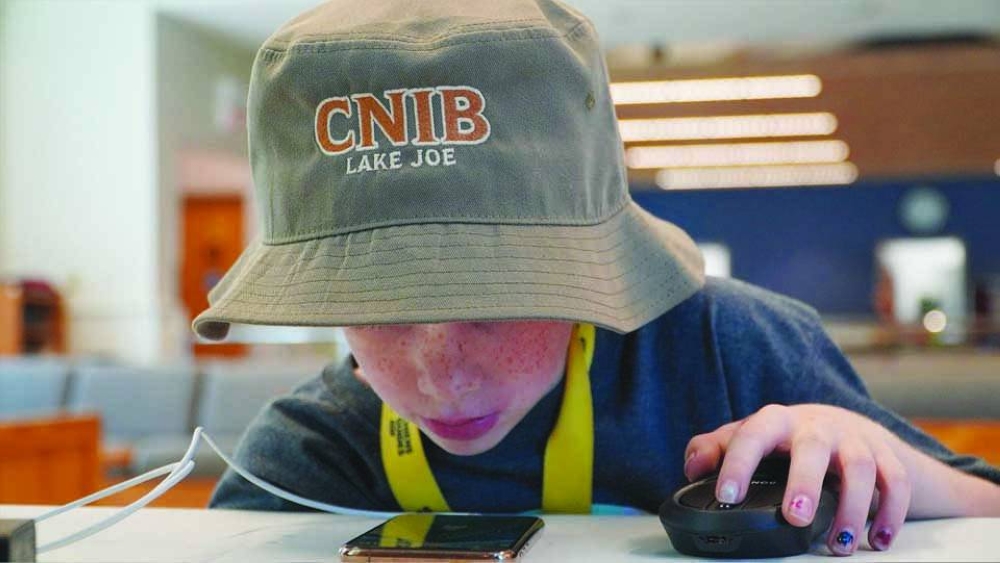
Bonocle transforms braille education with a gamified platform
Qatar
Qatar-based programme finalist in WISE Prize for Education

A Qatar based organisation has been shortlisted for the prestigious WISE Prize for Education, a global recognition for innovative education programmes or individuals.Bonocle, an organisation headquartered in Qatar is among the six finalists for the WISE Prize 2024-25 selected by World Innovation Summit for Education (WISE) a global education initiative by Qatar Foundation.Bonocle’s core innovation is its gamified approach to braille education. Bonocle transforms braille education with a gamified platform, making learning accessible, engaging, and fun for blind students.The platform stands out by making braille learning fun through inclusive games that can be enjoyed by everyone, not just the visually impaired. It has a global outreach and is now available in the US, Canada, Qatar, Saudi Arabia, and the UAE.Bonocle highly focuses on inclusion. The platform is designed not only for blind users but also engages their sighted parents, friends, and colleagues. This approach enhances educational experiences and social integration, ensuring that blind individuals can learn and interact inclusively within their communities.Bonocle’s journey began when its founder Abdelrazek Aly met with an accident and broke his hand. Aly joined a special needs centre at his university during his recovery. It was there that he first interacted with the blind community, witnessing their challenges firsthand. This experience inspired Aly and his team to challenge existing solutions and ensure that people with disabilities are fully included in society, with access to the same quality education and opportunities as everyone else.Key features of Bonocle are that it provides a portable device ensuring braille is always at the user’s fingertips. It has inclusive games incorporating tactile feedback, sounds, motion, and haptics. It is highly affordable, making quality education accessible to all. Furthermore it is an open and dynamic platform with a growing library of content and offers diverse use cases beyond basic literacy, including gaming and social interaction.Since its inception Bonocle has achieved several partnerships and collaborations with NGOs and major distributors. It has been recognised for the K design Award and Aly was listed in Forbes 30 Under 30. It has enhanced braille literacy through innovative educational tools. It also hosted the first inclusive gaming tournament during the FIFA World Cup 2022.According to the team of Bonocle, it aims to become a global leader in accessible education within five years and keep the platform open and dynamic, allowing continuous contributions and innovations from the blind community and partners. It also aims to expand the library of content and diverse use cases and integrate seamlessly into diverse educational environments. Ultimately, the programme hopes to empower the blind community to develop their own solutions and contribute to the platform.This year the WISE Prize will work with the chosen finalists over the span of one year to develop solutions that addresses education challenges in the field of: Improving the teaching of Arabic language; accelerating foundational literacies and addressing challenges in AI.Bonocle addresses the WISE Prize challenges: Artificial Intelligence in Education; teaching of Arabic Language and foundational literacies. The solution directly addresses these challenges by leveraging technology to enhance braille literacy, focusing on foundational skills through gamification and innovative educational tools.This year’s WISE Prize for Education competition received a total of 427 applications and the winner will be awarded the $1mn at the WISE12 Summit in 2025, where the winner will be announced live.

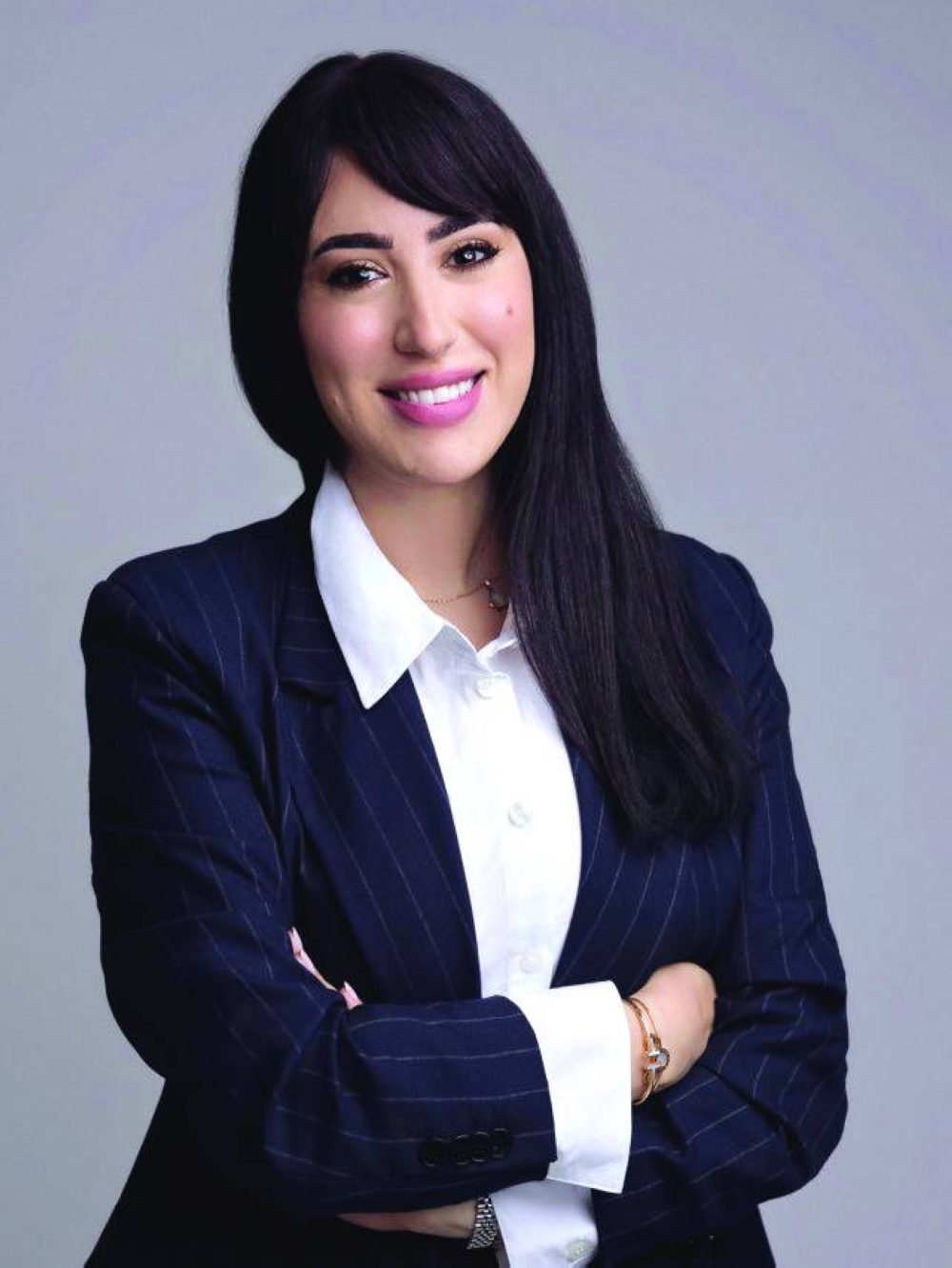
Maha El Akoum
Qatar
WISH 2024 to highlight impact of conflicts on healthcare

The upcoming World Innovation Summit for Health (WISH) 2024 will highlight the impact of conflict on healthcare under the theme 'Humanising Health: Conflict, Equity, and Resilience'.Taking place on November 13 and 14, the summit will focus on how wars have a massive and direct impact on families, besides the destruction of infrastructure, degradation of education and healthcare systems among others.WISH, a member of Qatar Foundation (QF), in collaboration with the WHO is developing a report on protecting health in armed conflict. The report, according to an article on QF website will present the most recent trends in attacks against healthcare facilities and workers with a focus on the scale, nature, and distribution of these attacks.It will propose mechanisms for the protection of healthcare in armed conflict, looking at existing legal frameworks such as International Human Rights Law, and accountability measures including the criminal prosecution of atrocity crimes, and UN accountability mechanisms.The report will also provide policy recommendations for the prevention, mitigation and accountability of these crimes from a global, regional, and national perspective.Maha El Akoum, acting director of research and content at WISH, said: “This year's alarming rise in attacks against healthcare workers and facilities underscores the pressing need for a transformative response to safeguard health in conflict zones. Health workers, who are at the centre of our health systems, are disproportionately affected by violence, often working under perilous conditions with overwhelming workloads and scarce resources, all while worrying about the safety of their own families.”“As families bear the brunt of these crises, psychologically and socially, it is imperative that we mobilize governments, UN agencies, and civil society to protect not only medical services but also the very fabric of family life. Together, we can forge a future where health and safety are recognized as fundamental rights for every individual and family, even in the most challenging environments,” noted, El Akoum.While a study by Doha International Family Institute (Difi) titled 'Wars, Conflicts, and Their Impacts on Arab Families' highlights that despite the current situation in Palestine, Yemen, Syria, Lebanon, and other Arab countries, the Arab family continues to exemplify values of compassion and solidarity, and provides care for children and the elderly.“During peaceful times, every individual in the family has their role and responsibilities clearly defined,” Dr Sharifa al-Emadi, executive director of Difi, says. “However, in times of war, when educational and healthcare facilities are attacked and families are directly targeted, the weight of the responsibilities of parents in providing protection and care for their children or the elderly becomes enormous and extremely difficult.”Dr al-Emadi says that researchers have noted that during the war on Gaza, with entire families being wiped out and their members martyred, many children find themselves alone, leading to the emergence of the phenomenon of these children being taken in by families with no blood relation to them.

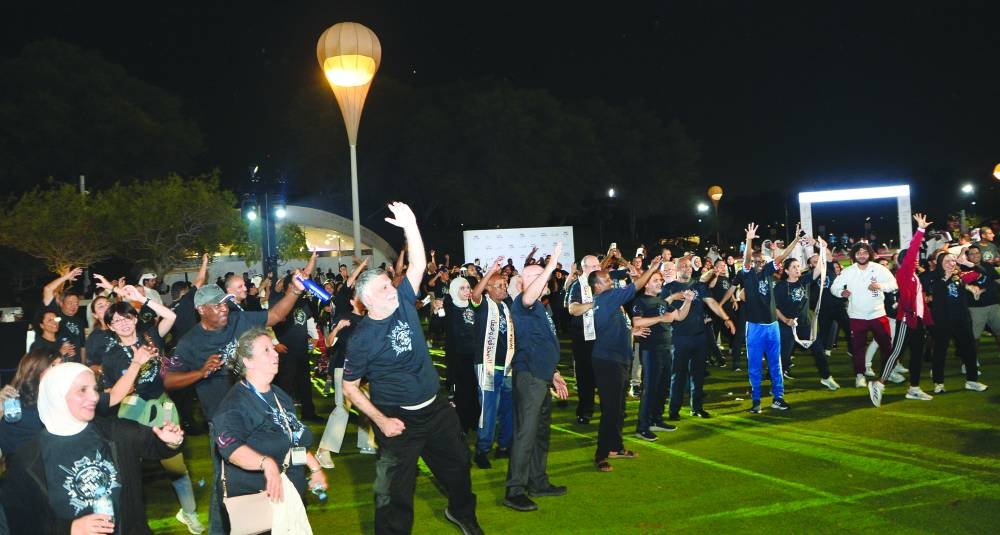
Participants warming up for the walk. PICTURES: Shaji Kayamkulam
Qatar
‘Walk the Talk Health for All Challenge’ at Oxygen Park

HE the Minister of Public Health Dr Hanan Mohamed al-Kuwari, along with several World Health Organisation (WHO) officials and Qatari sports celebrities led the “Walk the Talk, Health for All Challenge” on Sunday at Oxygen Park, Education City, Qatar Foundation as large number of people participated at the event.Organised by the Ministry of Public Health (MoPH) and the WHO in Eastern Mediterranean, the event helped to promote physical activity for health and well-being.It was held a day before the 71st session of the WHO Regional Committee for the Eastern Mediterranean in Doha.HE Dr al-Kuwari was joined by WHO Regional Director for the Eastern Mediterranean Dr Hanan Balkhy, ministers and health leaders from 21 member states, delegates of the regional committee, and leaders and frontline staff from Qatar’s healthcare sector.“Walk the Talk” was also attended by members of Qatar’s Olympic team, including weightlifter Fares Ibrahim Hassouna, sprinter and long jumper Bashayer Almanwari, and sprinter Shahad Mohammed.Addressing the participants, HE Dr al-Kuwari said: “We are delighted to collaborate once again with the WHO to organise this ‘Walk the Talk’, Health for All Challenge. This is the second time we have hosted this important event in Doha, following the successful ‘Walk the Talk’ event held on the eve of the FIFA World Cup Qatar 2022.”“It is a wonderful demonstration of our ongoing commitment to promote health and well-being,” she said. “Walking is a simple yet powerful way to enhance both physical and mental health, and it is heartening to see so many people come together to support this important cause.”“I would like to extend my sincere thanks to everyone who participated and made this event a success,” the minister added."Physical activity is fundamental to good health and well-being,” said Dr Balkhy. “We must transform our communities into vibrant hubs of health and activity.”"To make physical activity accessible and effective, we must advocate for inclusive programmes, invest in facilities that encourage physical activities, create enjoyable and safe environments and encourage policy-makers to prioritise active living in urban planning,” she said.“Qatar is setting a great example of walking the talk towards an active life for all,” the official added. “Together we can break down barriers and create a culture in which physical activity is a fundamental part of everyday life."The walking route provided an ideal setting, allowing participants of all ages and abilities to come together in a celebration of health.The event featured a range of interactive booths, including a joint booth by the MoPH and Generation Amazing.Generation Amazing played a pivotal role as a key partner in implementing the Healthy Cities Programme, making Qatar the first country in the region to have all municipalities as “Healthy Cites”.The event concluded with an exhibition football match, organised by Generation Amazing.Sports legends played alongside children from Gaza who are recovering following medical care and support in Qatar, in a display of the unifying power of sport.

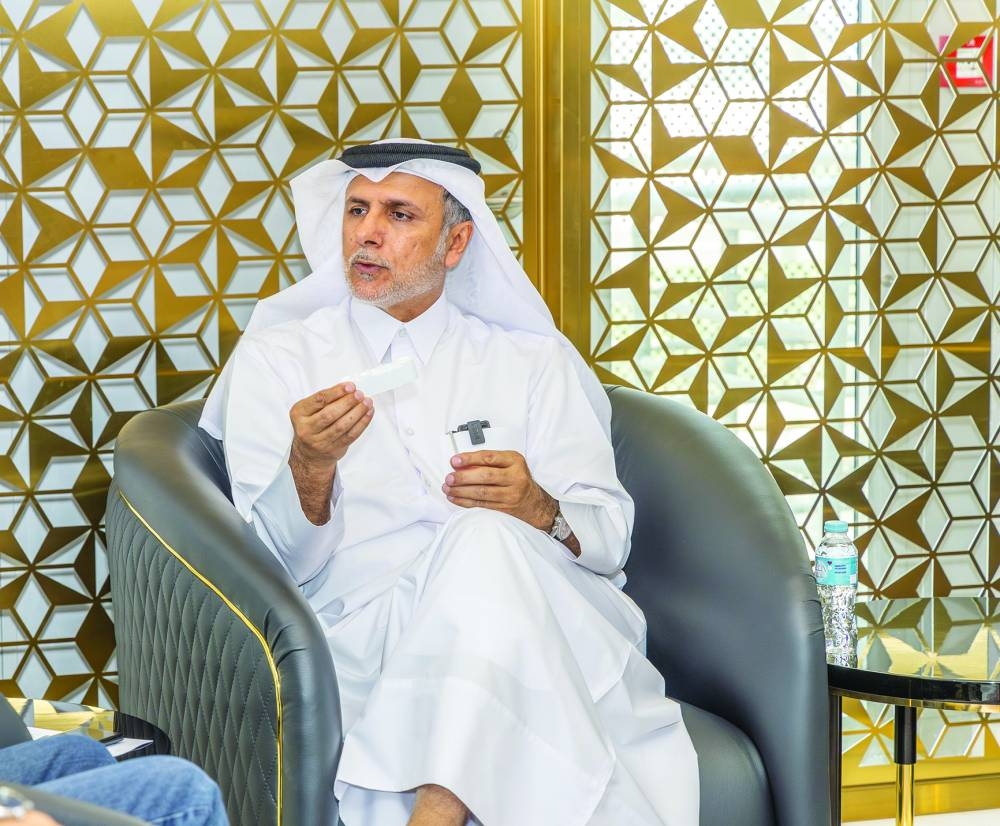
Dr Yousef Alhorr
Qatar
Gord tool to assess energy performance of buildings

Giving a fillip to Qatar's efforts at energy conservation and sustainability, the Gulf Organisation for Research and Development (Gord), based at Qatar Science and Technology Park, has developed a we-based simulation tool.Energia Suite helps in assessing the energy performance of buildings, Gord founding chairman Dr Yousef Alhorr told Gulf Times in an exclusive interview.Gord has been working to develop this tool for some time, and now it is set for the global launch, he stated.“As 40% of energy is consumed in building operations, reducing energy usage within buildings is crucial for lowering the carbon footprint, whether locally or globally. There are many strategies and techniques to improve the energy efficiency of buildings. However, to assess the impact of such solutions, you need assessment tools,” said, Dr Alhorr.“To bridge the gap, we have developed Energia Suite, a first of its kind in the region. This simulation tool can be used to assess energy-saving intervention strategies, products and solutions. It enables developers and project owners to assess in advance whether these solutions or products will effectively achieve the required energy saving,” explained the official.“The strength of this tool is that it can be used anywhere in the world. It can be used in more than 10,000 cities across the world, making it truly global. It is backed by extremely sophisticated calculation engine based on the energy use. The tool is very sound and well-founded in terms of scientific aspects and is based on ISO, ASHRAE, and European standards,” he noted.Energia Suite has a user-friendly interface so that people can just key in the building data related to the systems, materials and products. "The tool will then process this information to perform the needed calculation. Energia Suite does not require an energy expert to run it. This is the key difference between Energia Suite and other simulation tools, which require highly skilled energy professionals.”According to Dr Alhorr, Energia Suite can be used to assess energy patterns of complex high-rise buildings as well as smaller projects.“Energia Suite is among our latest initiatives to support energy efficiency in the built environment. It is a global initiative for which we have received interest from different countries to test its viability. Soon, we will be launching this tool internationally,” he added.

Gulf Times
Qatar
Qatar’s new health strategy aims to boost medical tourism

Qatar’s third National Health Strategy 2024-2030, launched yesterday, aims to deliver on three strategic dimensions to address Qatar’s current health sector challenges across population health, service delivery and system efficiency.Officials from the public healthcare sector told a press conference that the new strategy was the outcome of detailed deliberations over a long time.They stressed that the strategy also aims to further advance the health system by expanding services and increasing specialised services, with a focus on making Qatar a medical tourism destination, as an initiative will be launched in the near future.Dr Salih Ali al-Marri, assistant minister for health affairs, Ministry of Public Health; Dr Mariam Abdulmalik, managing director, Primary Health Care Corporation; and Dr Yousef al-Maslamani, deputy chief medical officer for clinical affairs, Hamad Medical Corporation, were present.The officials spoke about the importance of the new strategy in achieving Qatar National Vision 2030 in enhancing the health and well-being of the population in Qatar, taking into account the need to involve the patient in designing an advanced health system that serves their needs.Dr al-Marri said that within the three NHS-3 priority areas a set of 15 system-level challenges were identified.They will be addressed by the delivery of 15 strategic outcomes, supported by a comprehensive set of initiatives that will support the required shifts and help realise the future state, over the next seven years.The three priority areas are: Improved population health and well-being; Excellence in service delivery and patient experience and Health system efficiency and resilience.Among the key outcomes of the “Improving Population Health and Wellbeing” priority are raising public health awareness, empowering patients and caregivers, proactive disease prevention and detection, and ensuring integrated health and well-being across all sectors. These outcomes are supported by significant initiatives, including universal vaccination coverage, occupational health, environmental health, and food safety.Key outcomes under the “Excellence in Service Delivery and Patient Experience” priority include developing updated, comprehensive care models and standards across the entire healthcare system, as well as excelling in primary, community, secondary and specialised care. Important initiatives supporting these outcomes include the continuous improvement of population-specific services, quality of care and the Health Tourism Programme.In the “Health System Efficiency and Resilience” priority, outcomes include excellence in health research and innovation, effective emergency preparedness and response, a skilled and efficient workforce, and a robust digital healthcare system supported by data-driven decision-making, strong governance and sustainable healthcare financing. Notable initiatives under this priority include cross-sector collaboration, enhancing public-private partnerships, workforce skills development, applied health intelligence and investment in biotechnology and medical security.There is also a comprehensive communication plan to support the implementation of the strategy. The plan focuses on raising awareness among all stakeholders, ensuring continuous engagement with patients to enhance their participation in their healthcare journey, and improving patient satisfaction across all healthcare facilities. The strategy also prioritises patient experience, continuity of previous strategy projects, and supporting Qatar’s economic diversification agenda.

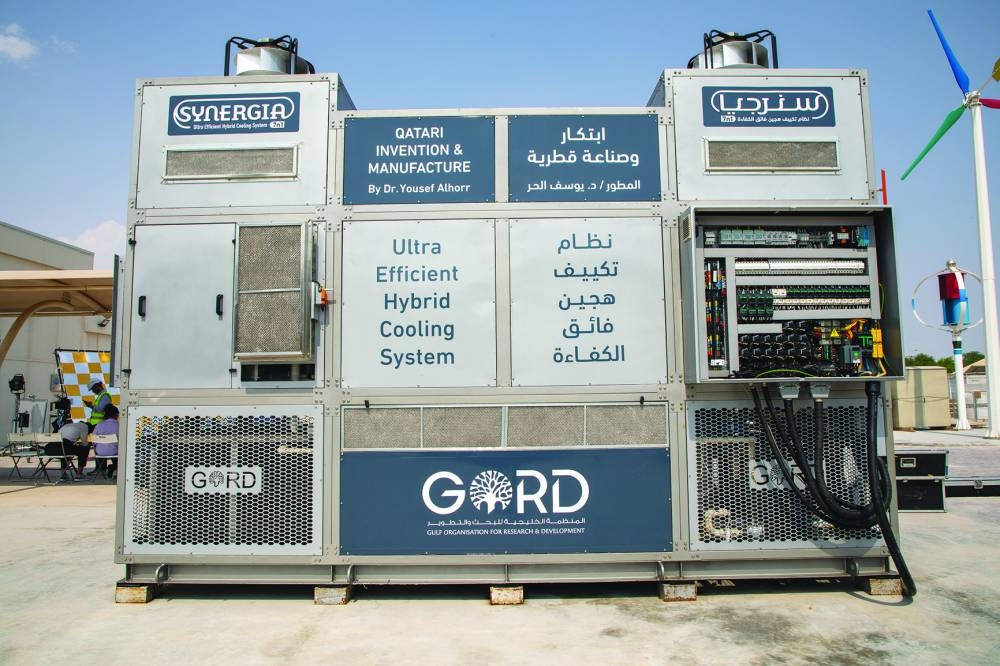
The prototype of Synergia 7n1
Qatar
Gord develops hybrid, ultra-efficient cooling system

The Gulf Organisation for Research and Development (Gord) has developed a new hybrid, ultra-efficient cooling system, Synergia 7n1, which is approved by the UK Patent Office, and registered with the International Patent Organisation.“A unique feature of our hybrid cooling system is its ability to cool outdoor spaces with up to 50% energy efficiency compared to conventional systems in the market, thus presenting a potential business opportunity to take it into commercialisation,” Dr Yousef Alhorr, founding chairman of Gord told Gulf Times in an exclusive interview."We hope that after final testing, we can produce commercial prototypes of this cooling system," he said while explaining that Synergia 7n1 has already received two awards: one from the Association of Energy Engineers (AEE) in the US for the best energy innovation in the world and another award for Best Patent in Energy Efficiency from the League of Arab States.“The system can seamlessly combine seven cooling solutions into one portable unit and hence named 7n1. We have managed to manufacture the prototype in Qatar, which is now attracting a new business opportunity for the local industry. As cooling now accounts for 70% of energy consumption in buildings, it is very important to tackle this challenge, and this is what we have managed to do with Synergia. Moreover, Synergia will support new jobs creation in this very important domain,” explained, Dr Alhorr.The founding chairman of Gord said that a new line of air conditioners can be launched with the Synergia 7n1 technology.“We are eagerly anticipating the impact this innovation will have as fresh air handling units have a promising potential. These units can be used to cool entertainment venues, souks, parks, and workplaces, among other locations. They can also be used to cool specialised facilities such as hospitals and surgery rooms, where the circulated air is not allowed and you need 100% fresh air. So, when the air conditioning systems deal with 100% fresh air, there is a big challenge in terms of the energy use,” he continued.“The differences between our system and the conventional systems are primarily in two key areas. Alongside using the compressor for cooling, our system uses dehumidification and then indirect evaporative cooling as two pre-treatment stages for processing air,” he highlighted.As for the operation of the new system, Dr Alhorr said that desiccant dehumidification is used to reduce the humidity of the air and it goes to another pre-treatment stage where it is cooled down again by using the evaporative cooling.He described: “By having these two pre-treatment stages, we reduce 50% of the energy used for the remaining cooling. Instead of cooling from 48C outside to 18C inside, the compressors are pre-conditioned to stage 1, with temperature reduced from 48C to 33C degrees. Then in stage 2, the compressors cool from 33C to 18C. Fifty percent of the load is taken by the two pre-treatment stages, where we don't use compressors. It's only one pump and a few fans, making the energy consumption very minimal compared to the energy consumption of the compressors.”“In the US, Europe, and the Far East, there are various ongoing projects focused on exploring and developing hybrid cooling systems. We have managed to do it on a large scale with capacities of up to 100 tonnes, which represents a substantial scale of operation,” added, Dr Alhorr.