Author

Tuesday, February 10, 2026 | Daily Newspaper published by GPPC Doha, Qatar.
 Joey Aguilar
Joey Aguilar
Joey Aguilar has been a journalist since 2013 at Gulf Times, reporting on events related to Qatar. He was earlier a journalist for eight years in the Philippines. He became one of the 2015 United Nations Foundation Global Goals Press Fellows. He has also attended a number of journalism seminars in the Philippines.
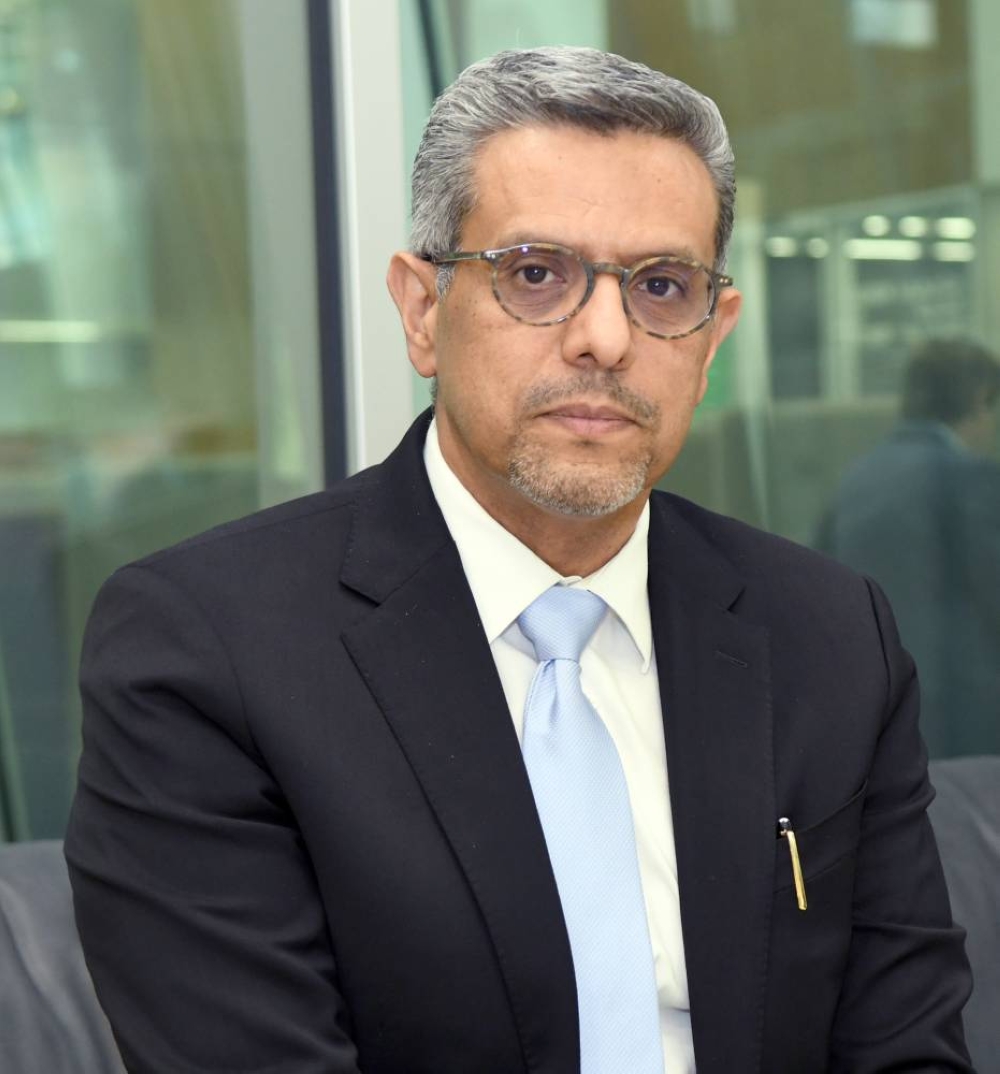
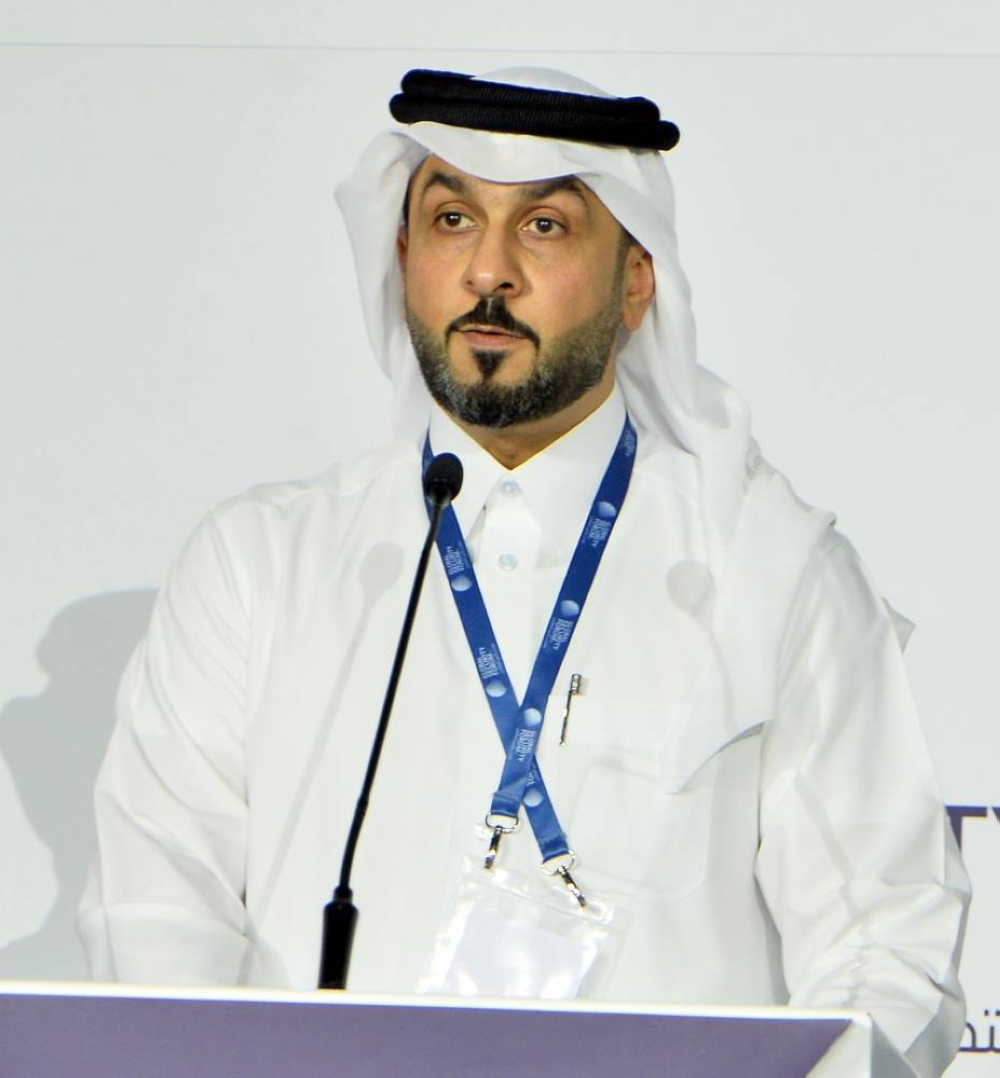
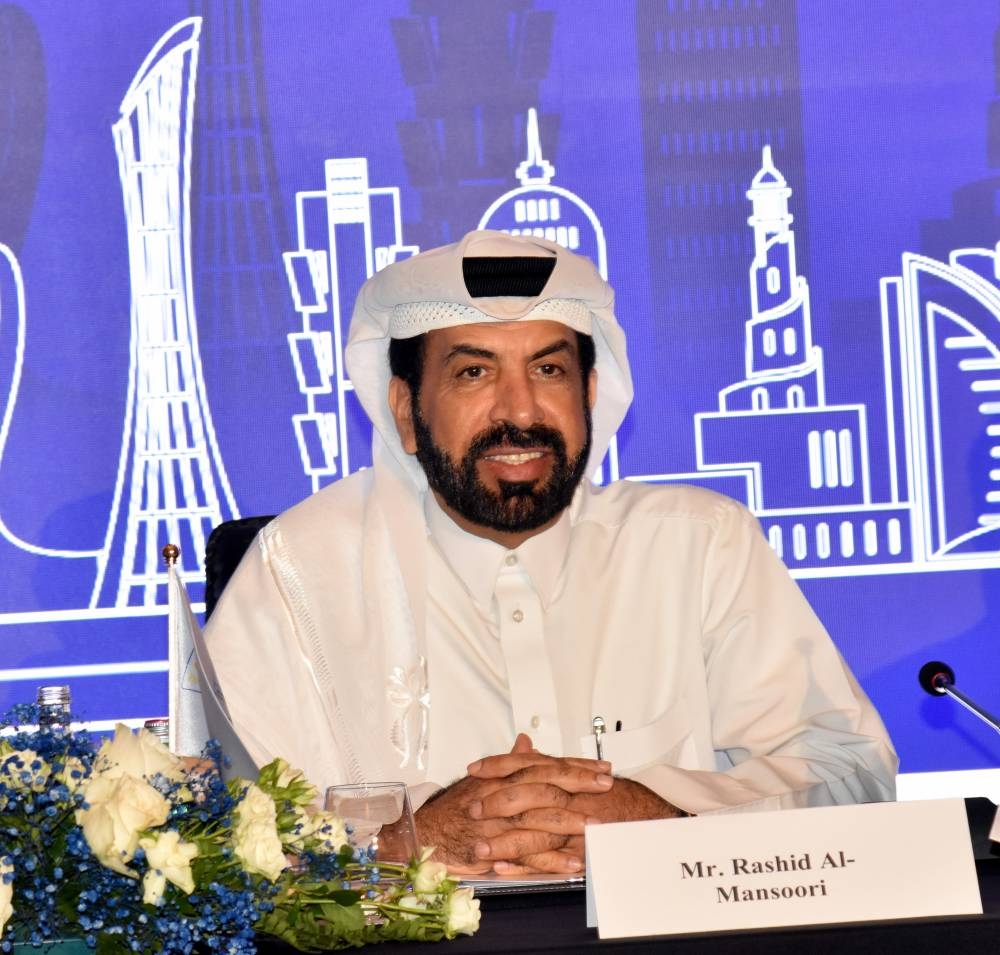
Rashid bin Ali al-Mansoori.
Qatar
Qatar poised to become leading medical tourism hub, says Aamal CEO

Qatar’s cutting-edge healthcare infrastructure, further enhanced by innovative treatments and strong international collaborations, positions the country as a rising destination for medical tourism in the region, according to Aamal Company CEO Rashid bin Ali al-Mansoori.Speaking to Gulf Times, al-Mansoori expressed confidence in Qatar’s capabilities, highlighting its status as having one of the world’s best healthcare systems and the presence of “very advanced hospitals”. He also stressed that Hamad Hospital stands out in the region.“Healthcare is an important pillar in Qatar’s vision 2030, so we need to be supporting this vision by bringing the best to the Qatar market,” he said, citing the recent introduction of innovative treatments, such as the recently launched obesity drug Wegovy. This, he pointed out, forms part of Aamal’s aim of providing the best in healthcare for the people of Qatar.“We look at healthcare not only as a trading or for making profit but it is the service and social responsibility of Aamal for its community,” al-Mansoori said. He added that partnerships with international pharmaceutical leaders such as Novo Nordisk, the manufacturer of Wegovy, are crucial not just for accessing new medicines but also for knowledge transfer.Wegovy’s launch, a weight management therapy already attracting global attention, adds to the portfolio of advanced healthcare offerings available in Qatar, it is learnt.Al-Mansoori said that Aamal’s commitment extends beyond providing medication, but to include public health awareness and prevention. He said the company actively works to educate its staff and the wider community about these diseases, viewing such efforts as fundamental, pre-medical steps that underline the importance of lifestyle and dietary choices.He said the noticeable increase in general tourism, demonstrated by reports of a crowded airport, also shows that Qatar’s tourism authorities are successfully working on all fronts to attract more visitors and diversify the nation’s economy.

Dr Hilal Lashuel
Qatar
Playgrounds and classrooms powered by AI to reshape autism care in Qatar

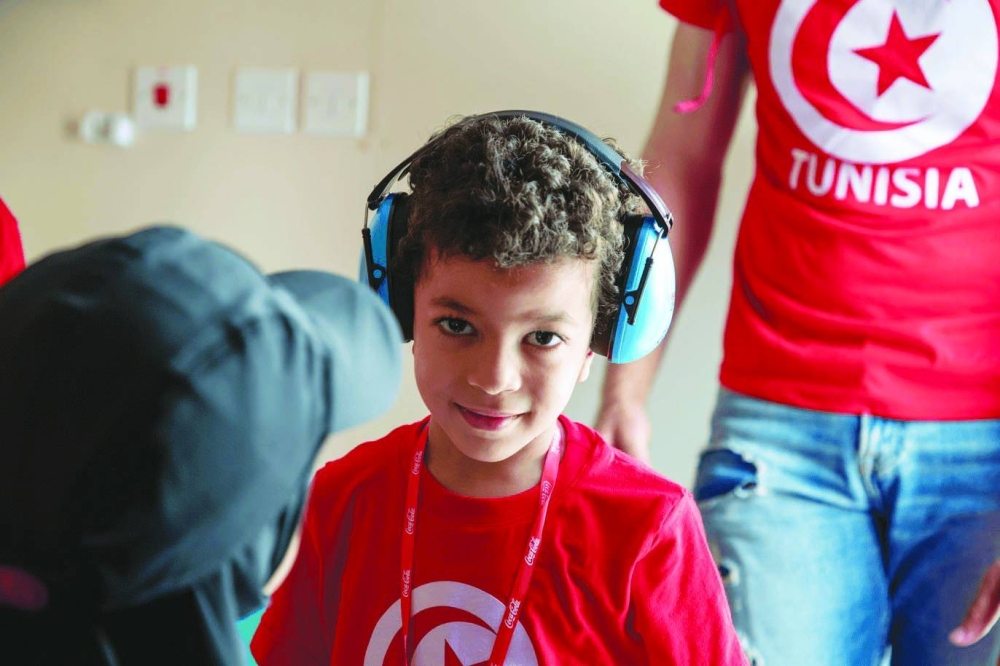
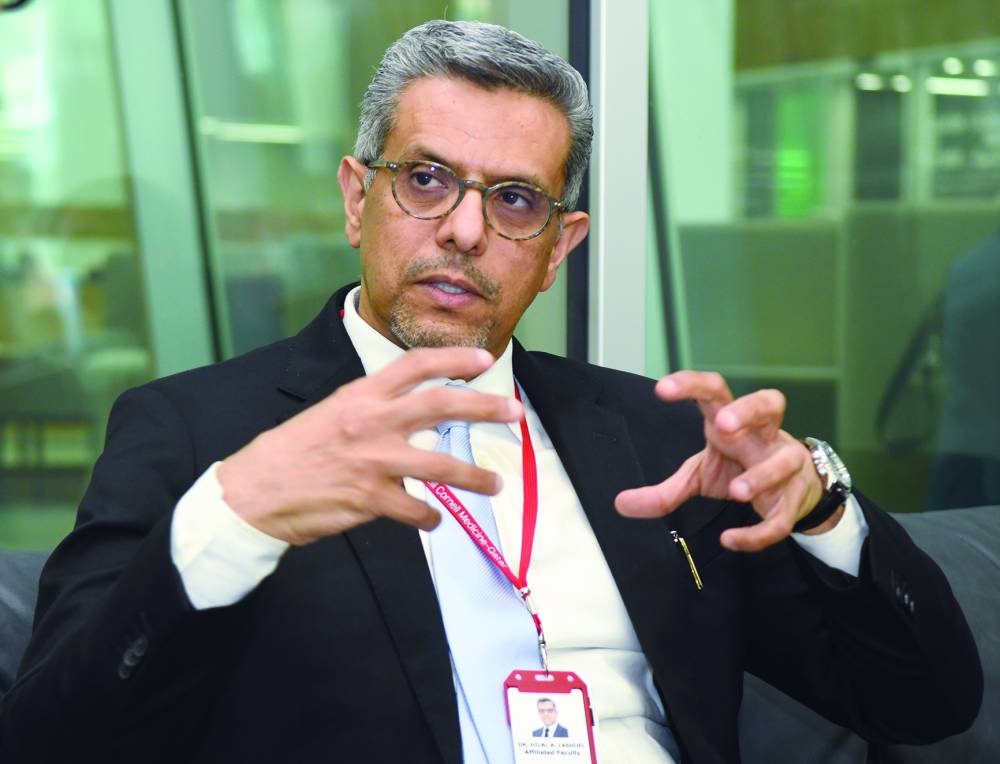
Tech-driven autism care – from building smart playgrounds and classrooms – is at the core of Qatar Foundation (QF)’s 10-year autism strategy aimed at transforming diagnosis, care, and family support, according to QF’s Dr Hilal Lashuel.“We are bringing all the technologies that allow us to capture these different features of the disease (autism) at a level that we can capture the unique features of everyone,” Dr Lashuel, the Research, Development and Innovation advisor to the chairperson of QF, told Gulf Times.He said this includes integrating a range of technologies, from eye-tracking and voice analysis to advanced sensors that monitor interactions with robots and the surrounding environment.Dr Lashuel, also QF’s Research, Development, and Innovation (RDI) executive director, pointed out that this approach represents a significant departure from traditional clinical settings as QF envisions a future where diagnostic data is gathered in more natural environments, such as “smart playgrounds” equipped with sensing technologies.“Instead of taking a person to a clinic, our vision is to bring a child to a playground but one that is connected with all the sensing technologies around them, and then we capture that data,” he said.Dr Lashuel added that the huge amount of data collected in these environments will be analysed using artificial intelligence (AI), enabling earlier and more accurate diagnoses.Beyond diagnosis, he said a key focus of the strategy is on empowering parents, who often find it challenging to monitor their child’s progress and make informed decisions about their care.Dr Lashuel noted that many parents feel lost between infrequent doctor visits, unsure if their child is improving or not.To address this, he said QF is developing technologies that can be used at home, allowing parents to track their child’s responses to interventions and monitor their overall progress.“If you have a technology that allows you to understand the state of your child, how is he responding, how is he improving, is he getting worse, that is one of the unique things we are doing,” he said.According to Dr Lashuel, the Autism Strategy 2025-2035 also aims to improve access to information and support for parents by creating a “community hub”.This, he said, serves as an integrated pipeline, guiding parents through the entire process of diagnosis, care, and support. Parents will have access to relevant data, resources, and contact information, all facilitated through AI-powered technology.Recognising the challenges of providing personalised care at scale, he said QF is also exploring how technology can support educators in the classroom. He cited Autism Sensing Centre of Excellence’s pilot projects that include the development of a connected classroom, equipped with technologies to assist with learning.Dr Lashuel said the goal is to provide teachers with AI-driven insights that can help them tailor their approach to each student’s individual needs. “What we want eventually is to be able for the teacher to sit and do their job. Technology captures the information, and AI translates this information to individual insight.”

Engr Mohammed Abdullah al-Mulla (centre) at the opening of the first Mina Pre-Owned Boat Show at Old Doha Port Monday. PICTURES: Shaji Kayamkulam
Qatar
Mina Corniche hosts Qatar's first pre-owned boat show

Qatar’s maritime industry received a huge boost Monday with the launch of the first-ever Mina Pre-Owned Boat Show at Old Doha Port’s Mina Corniche.The event will run until tomorrow (May 7), bringing together marine enthusiasts, first-time buyers, and seasoned boaters eager to explore a curated selection of second-hand vessels. It is open daily from 5pm to 9pm.According to the organisers, this boat show offers boat owners a unique opportunity to display their vessels, ranging from jet skis and fishing boats to yachts, superyachts, and traditional dhows, for free. Public entry is also free, making it accessible to a wide audience.“We at Old Doha Port have set objectives and goals that we want to achieve, one of which is definitely enhancing the maritime experience locally, regionally and then globally.“This pre-owned boat show is considered as the first-of-its-kind in Qatar, and the aim is to provide a safe platform for sellers and buyers, whether individuals or companies,” Old Doha Port CEO, engineer Mohammed Abdullah al-Mulla, told reporters.He noted that the event facilitates smoother transactions by providing dedicated spaces for inspection companies and service providers. This, he pointed out, allows potential buyers to obtain initial inspection reports on the vessels, aiding in informed decision-making.He added that stringent criteria are in place to ensure the quality of boats offered, including a requirement of at least one year of valid inspection reports and a registration year of 2007 or beyond. More than 40 marine vessels are participating in this maiden edition, highlighting the strong momentum in Qatar’s pre-owned boat market.The show has transformed the Mina Corniche into a vibrant open-air marketplace, organisers said. It also offers on-site maintenance workshops and inspection services at competitive prices, fostering a supportive environment for both buyers and sellers.Al-Mulla said this latest edition of the show joins other recent initiatives at Old Doha Port, including the first Qatar Boat Show and a fishing exhibition.He said the combination of events caters to local, regional, and international markets, and provides the right infrastructure for yacht owners to safely and easily berth their vessels in Qatar.In addition to the diverse range of boats on display, organisers noted that visitors can also enjoy a unique hospitality experience in a welcoming maritime atmosphere, overlooking Doha’s skyline and the West Bay towers. It also features music and various activities.Organisers stressed that this boat show is poised to become a key event in Qatar’s maritime calendar, underscoring Old Doha Port's commitment to nurturing and strengthening the local industry.

Outgoing French ambassador Jean-Baptiste Faivre speaks to the media at his residence on Sunday
Qatar
'Qatar–France relations have touched new heights'

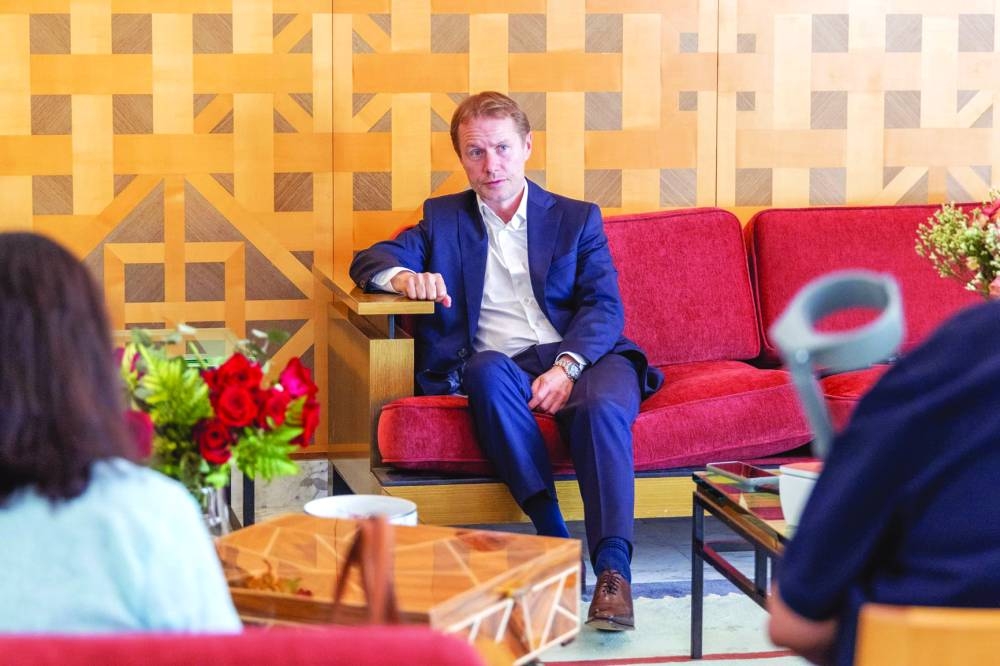
Qatar and France have forged a deeply-rooted strategic partnership in the past four years with increased co-operation across diplomatic, defence, economic, and cultural sectors, in addition to high-level visits, the outgoing French ambassador Jean-Baptiste Faivre said.“I think the best reflection of the renewed strength of the strategic partnership between France and Qatar was His Highness’ State visit to France in February 2024. It was the first State visit in 15 years. It showed how much France and Qatar have built strong co-operation in every field,” he told reporters at a press briefing on Sunday at his residence in Doha.Faivre is set to leave Doha Monday, marking the end of a four-year tenure that witnessed a significant deepening of the strategic partnership between the two countries. He said he is expected to continue his diplomatic career with a posting within the region.On the diplomatic front, the envoy underlined the high level of confidence that has been built, enabling constant co-ordination on pressing global issues. “Our co-ordination has been constant, at many levels, on many issues, on particular Gaza and Lebanon,” he said, noting the seven visits from French foreign ministers and the three strategic dialogues, including one scheduled later this month in Paris.The envoy pointed out that these dialogues involve key figures like HE the Prime Minister and Minister of Foreign Affairs, Sheikh Mohammed bin Abdulrahman bin Jassim al-Thani, and his French counterpart, fostering critical discussions and collaborative problem-solving.The establishment of the strategic dialogue mechanism was a key accomplishment of Faivre’s tenure, representing the pinnacle of the mutual trust that has positioned Qatar and France as steadfast partners.“It is the pinnacle as well as the illustration of the highest level of confidence our countries have reached, which make them all-time and all-weather partners now,” he said.Faivre noted that the robust diplomatic ties were further demonstrated by numerous high-level visits. President Macron visited Doha four times during the envoy’s term, accompanied by frequent visits from the French ministers of foreign affairs and defence, enabling consistent consultation on critical geopolitical issues such as Ukraine, Gaza, Lebanon, Syria, and Afghanistan.“I am very glad that we’ve created long-term partnerships in humanitarian action and development aid. Many thanks to our partners in the Ministry of Foreign Affairs, the Qatar Fund for Development, and all other agencies,” he said.In the area of defence, Faivre stressed that co-operation has reached an unprecedented level with the implementation of operational partnership and training activities. This, he said, was highlighted by the bilateral joint exercise “Al Koot” in Qatar in 2024, involving 450 French soldiers.Reciprocal training activities, such as the pilot training programme at the Qatar Air Academy for four French pilot officers, showed the strong ties between the armed forces, the envoy said. He noted that Qatar’s confidence in French defence industries, as demonstrated by ongoing acquisition projects, promises to shape defence relations for years to come.Faivre said security co-operation between France and Qatar, a longstanding tradition, was underscored by the joint efforts for the FIFA World Cup in Qatar in 2022 and the upcoming Olympics in Paris in 2024.He lauded Qatar’s emergence as a prominent sports nation, recalling the numerous sporting events he attended in Doha. He also expressed personal support for the Duhail football team.Faivre highlighted the enhanced ambition in the economic and finance sectors, building upon already strong ties in areas such as energy, artificial intelligence, and digital technology.He noted the significant progress in cultural relations, citing the recent visit of French Minister of Culture Rachida Dati and the signing of six framework agreements between leading cultural institutions.In the field of higher education, Faivre said: “Many efforts have been made to enhance academic co-operation. This has led to numerous agreements signed between French and Qatari institutions. We have successful partnerships between University Paris 1-Panthéon Sorbonne and Lusail University as well as between Sciences Po and Doha institute.“Overall, I leave Qatar with a deep feeling of gratitude and also confidence when I look at what’s next for Qatar and France. Long live our friendship. I want to extend my special and deep thanks to the Qatari authorities – and in particular His Highness the Amir and HE the Prime Minister – for their trust and support of my mission,” Faivre added.

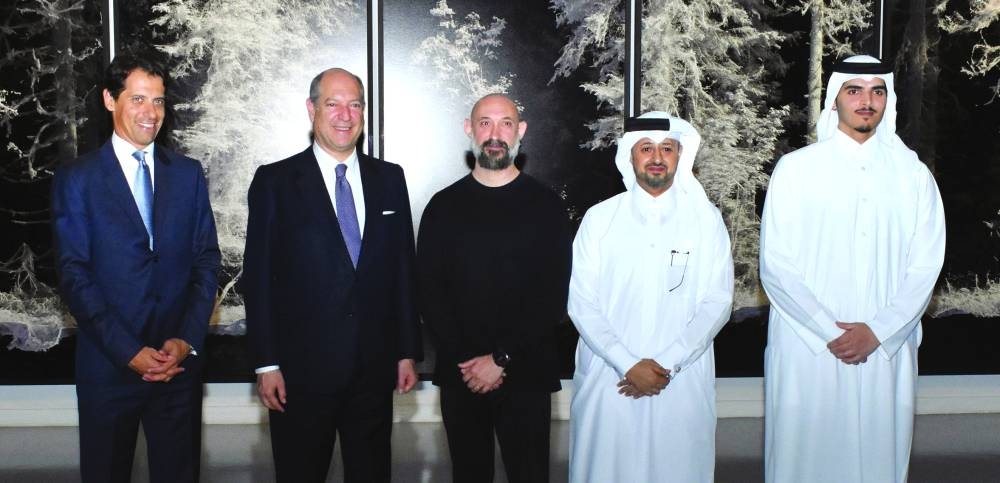
(From left) Paolo Tosch, Maurizio Greganti, Quayola, Mohammed Saad al-Rumaihi, and Sheikh Abdulaziz bin Hamad al-Thani at the VIP preview of "New Landscape" exhibition on Sunday. PICTURES: Thajudheen
Qatar
New Landscape by Quayola exhibition redefines nature through technology

A one-of-its-kind exhibition, 'Nuovo Paesaggio (New Landscape)' by internationally acclaimed Italian artist Quayola was unveiled at a VIP preview on Sunday at M7, offering a fresh exploration of natural landscapes through the lens of advanced technology and computational artistry. The event was attended by the Italian Ministry of Foreign Affairs (MFA) secretary-general, ambassador Riccardo Guariglia; Italian ambassador to Qatar Paolo Toschi; and MFA’s Political Affairs’ deputy director Maurizio Greganti; National Museum of Qatar director HE Sheikh Abdulaziz bin Hamad al-Thani; and Qatar Museums CEO Mohammed Saad al-Rumaihi, among other guests. Speaking to Gulf Times, curator Claudio Composti explained how Quayola bridges the gap between classical and contemporary art. “Quayola’s work is very perfectly matched between classical and very contemporary because what we see here, it looks like a painting in this case for a photography but it is neither painting nor photography...” He pointed out that Quayola’s artistic approach involves directly engaging with tradition and then subverting it through the application of advanced technologies. New Landscape, promoted by the Italian embassy in Doha in collaboration with Fondazione AGO – Modena Fabbriche Culturali and with the support of the Directorate-General for Contemporary Creativity of the Italian Ministry of Culture, will be on view at M7 (first floor) until July 19. The exhibition presents a unique blend of photographic techniques, emerging technologies, and computational strategies, challenging traditional representations of the natural world. It unfolds as an investigation into nature, observed and reinterpreted by machines, fostering a continuous dialogue between visual tradition and technological innovation. About the tension between man-made algorithms and natural forms, Quayola cited the relationship between his work and nature, saying: “Everything we do is still connected to nature, it is in fact an inspiration that comes from nature. Even this ephemeral digital process is algorithmic techniques. The artist utilises ultra-high-resolution cameras, 3D scanners, and laser sensors—such as Laser Imaging Detection and Ranging, or Lidar – to meticulously observe landscapes and natural phenomena, transforming them into complex digital renderings. In this process, organisers noted that the algorithmic gaze of the machine becomes a co-author, generating visions that reveal elements often invisible to the human eye, effectively introducing a new visual language. New Landscape features two series: Storms and Remains: Vallée de Joux. Storms focuses on the coasts of Cornwall, capturing the chaotic behaviour of waves during storms and transforming atmospheric phenomena into visual matter. Remains, on the other hand, explores the Swiss forests of the Vallée de Joux, offering an immersive journey where vegetation is scanned, interpreted, and rendered as an archetypal and dreamlike landscape. In both series, organisers noted that natural elements such as waves, light, vegetation, and wind are converted into datasets, forming the foundation for an aesthetic construction where algorithmic intervention does not erase reality but redefines it. In a press statement, Toschi, said: “This exhibition gives a new perspective to the dialogue between tradition and innovation on landscape, an artistic subject that both in Italy and in Qatar is at the centre of artistic and cultural experience”.

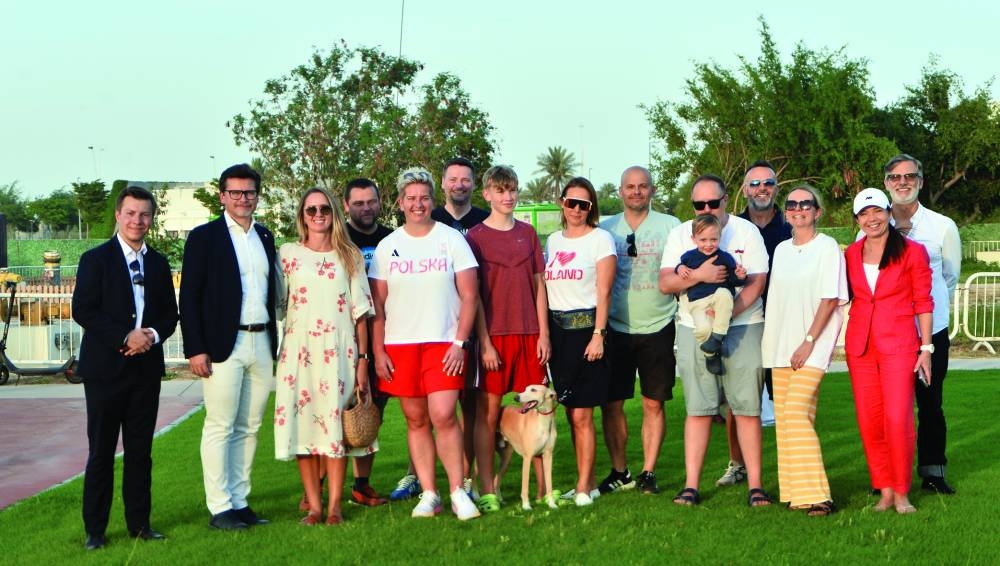
Polish head of Mission Tomasz Sadzinski and members of the Polish diaspora at the National Flag Day of Poland event at Al Bidda Park Friday. PICTURE: Shaji Kayamkulam
Qatar
Polish flag flies high in Doha to celebrate national pride, bilateral ties

The skies above Al Bidda Park in Doha were painted with the vibrant white and red of the Polish flag Friday as the embassy of Poland marked its National Flag Day.The highlight of the celebration was a 21m Polish flag, the longest so far in Qatar, hoisted into the air by a large balloon, creating a memorable display for onlookers.The festivities continue Saturday from 10am to 12 noon, coinciding with Poland’s Constitution Day.Speaking to *Gulf Times, Polish head of Mission in Doha Tomasz Sadzinski underlined the significance of the event, saying the dual celebration also honours the Polish diaspora, connecting compatriots both at home and abroad.“Today, we are celebrating both Poland National Flag Day and the Day of the Polish Diaspora,” he said. “We wanted to create something truly memorable and exceptional.”Given the expertise of Polish professionals here, particularly in the aviation sector with drones and balloons, Sadzinski said they decided to hang Poland’s flag from a balloon at Al Bidda Park, making it visible to everyone.He described the flag as a powerful symbol of Polish national pride, acting as a beacon for the Polish community in Qatar and capturing the attention of those passing by.The celebrations, he added, extend Saturday to mark the anniversary of the adoption of the Polish Constitution in 1791.Sadzinski said that this historic document, adopted 234 years ago, holds immense significance as the first constitution in Europe and the second in the world, after the American Constitution.He highlighted the importance of such special celebrations in fostering stronger ties between Poland and Qatar, stressing the collaborative spirit and the support received from Qatari authorities.“We are very grateful for the support from Qatar’s institutions and authorities,” Sadzinski said. “As an embassy, we strive to promote our heritage and culture, sharing it with our Qatari host.”He also noted the reciprocal efforts of Qatar’s ambassador in Warsaw, Saoud bin Abdulla Zaid al-Mahmoud, who actively promotes Qatari culture in Poland, inviting Polish institutions to participate in events like Qatar’s National Sport Day.According to Sadzinski, the Polish embassy in Doha has actively promoted Friday’s event on social media, sharing wishes with the Polish community and encouraging them to join the celebration at Al Bidda Park.He said that such celebrations underscore the strong bond between Qatar and Poland, founded on mutual respect and a shared appreciation for each other’s cultures.

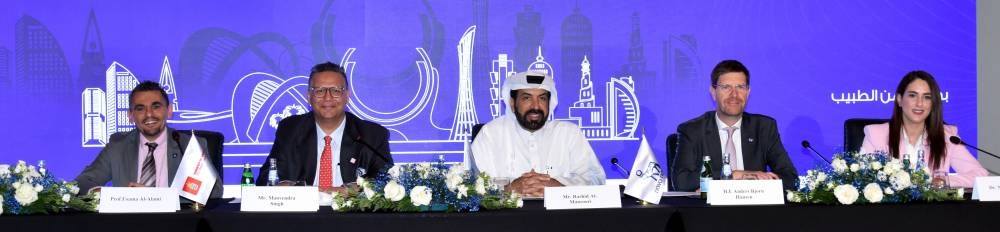
Officials of Aamal Company, Ebn Sina Medical, Novo Nordisk and the Danish ambassador at the press conference yesterday in Doha. PICTURE: Thajudheen
Qatar
Ebn Sina Medical launches weight loss drug in Qatar

Ebn Sina Medical, a subsidiary of Aamal Company, and Danish healthcare major Novo Nordisk have launched the weight loss prescription medicine Wegovy (Semaglutide 2.4mg) in Qatar, marking a medical milestone in the country’s fight against obesity.Wegovy is described as the first and only once-weekly GLP-1 receptor agonist (GLP-1RA) approved for chronic weight management in adults and adolescents ages 12 years and above.Obesity has emerged as a significant global epidemic, affecting approximately 1bn individuals world-wide. Obesity in the Gulf is rapidly unfolding with the highest rates globally.Addressing a press conference in Doha yesterday, Aamal Company CEO Rashid bin Ali al-Mansoori said: “This achievement reflects Aamal Company’s commitment to bringing the latest innovation to the market whether through our diverse business or in collaboration with global leaders such as Novo Nordisk.Al-Mansoori underlined Aamal Company’s commitment to bringing cutting-edge medical solutions to the Qatari market, aligning with the country’s National Health Strategy and Vision 2030.He also underscored the collaborative nature of this initiative, stressing the role of partnerships in delivering world-class healthcare to Qatar.In a press statement, Ebn Sina Medical noted that 41% of adults in Qatar are obese, a figure that rises to 46% among women. The consequences of this widespread obesity are far-reaching, contributing significantly to the prevalence of chronic conditions such as pre-diabetes, diabetes, and cardiovascular diseases (CVD).According to Ebn Sina Medical, the active ingredient in Wegovy, Semaglutide 2.4mg, functions by mimicking the effects of a natural hormone, thus reducing hunger and increasing the feeling of fullness, which can lead to decreased calorie intake and subsequent weight loss.It is indicated for use as an aide to a reduced-calorie diet and increased physical activity for weight management in adults with obesity or overweight who also have at least one weight-related comorbidity. Clinical research has shown promising results, with Wegovy, when combined with lifestyle modifications, leading to an average of 17% weight loss sustained over a two-year period, the statement added. In addition, around one-third of patients experienced a reduction of at least 20% in their body weight. The medication has also demonstrated significant improvements in other cardiometabolic risk factors, including waist circumference, blood pressure, lipid profile, and glycaemic parameters.Anders Bjorn Hansen, ambassador of Denmark to the UAE and Qatar, lauded the collaboration and innovation driving this initiative. He highlighted Denmark’s commitment to public health, underpinned by a culture of trust and a strong focus on prevention.He also cited Novo Nordisk’s pivotal role in the life sciences ecosystem, developing innovative medicines for chronic diseases.Novo Nordisk Qatar general manager Manvendra Singh acknowledged the critical nature of their collaboration with Ebn Sina in improving patient outcomes through innovative, science-driven solutions, particularly in light of Qatar’s high rates of obesity, diabetes, and CVD.While Wegovy is currently available out-of-pocket for the private market, Singh said that coverage is provided for Qatari patients at Hamad Medical Corporation.For those seeking the medication through private hospitals and clinics, or for non-Qatari nationals, monthly costs range from QR796 to QR1,909, depending on the dosage.Ebn Sina Medical’s commercial director Dr Nayla Mansour highlighted the company’s commitment to enhancing healthcare access and improving patient outcomes across Qatar. She pointed out that obesity is a pressing health challenge impacting individuals, families, and the broader healthcare system, and stressed the importance of equitable access to effective treatment options.Prof Usama ALAlami, head of Medical at Novo Nordisk Qatar, emphasised the link between obesity and other health complications, including diabetes and CVDs.He cited data indicating that Semaglutide 2.4mg could help prevent type 2 diabetes in high-risk individuals.

Col Ali Mohammed al-Ali delivers a high-level remark at the Global Security Forum 2025. PICTURE: Shai Kayamkulam
Qatar
United response urged against soaring cyber, financial crime

The increasing threat of cybercrime and financial crime, fuelled by advancements in artificial intelligence (AI) and resulting in an estimated $1.6tn in illegal funds annually, demands a united global response, a top official urged at the Global Security Forum 2025 Tuesday.Colonel Ali Mohammed al-Ali, delegate for Asia, Interpol Executive Committee, and head of Interpol Qatar, cited Qatar’s $1bn investment in cybersecurity initiatives to combat these evolving threats.He underlined the borderless nature of these crimes and their impact on economies, societies, and individual lives.Col al-Ali cited Interpol’s 2024 Global Crime Trends report, which indicates a 70% increase in ransomware attacks targeting critical infrastructure such as hospitals and schools, illustrating the urgent need for co-ordinated action.“From the streets of New York, the communities worldwide, non-state actors, criminals, syndicates, terrorist groups, and cybercriminal threaten our safety,” he said.Col al-Ali noted that these groups tap advanced technologies, financial networks, and societal vulnerabilities to break laws and destabilise communities, as confirmed by reports like the UK National Strategy Assessment, Europol EU-Socta 2025, and the US 2025 annual Threat Assessment.Noting Qatar’s commitment to global leadership in combating these threats, the official highlighted the nation’s 50-year membership in Interpol and its ongoing efforts to drive key law enforcement initiatives.Col al-Ali said that Qatar is investing more than $1bn by 2026 to bolster its cybersecurity architecture, protecting against a wide range of digital threats.These investments, he explained, are designed not only to safeguard Qatar but also to empower police forces worldwide.Through Interpol’s biometric hub and financial crime centre, Col al-Ali said law enforcement agencies are better equipped to track criminals and their illicit finances across borders.He underscored the importance of innovative approaches to fighting crime, citing Interpol’s “Silver Notice” initiative, which aims to recover criminal assets and disrupt organised crime networks.He also cited the “Think Twice Campaign”, a public awareness initiative designed to educate individuals about scams and prevent criminals from accessing funds.Recognising the double-edged nature of AI, Col al-Ali noted the potential for criminals to exploit the technology.To counter this, he said that Interpol is partnering with the United Nations Interregional Crime and Justice Research Institute to develop a toolkit for the ethical use of AI in law enforcement.This initiative aims to equip police with the tools to ethically detect crimes, track illegal money, and prevent threats.Col al-Ali urged global security partners to deepen their collaboration.“Together, we’ll ensure law enforcement defeats those who threaten our world, protecting the rule of law,” he said.He also pointed to Qatar’s dedication to fostering a united global response to the escalating challenges posed by cybercrime and financial crime.

UK Member of Parliament (MP) Mark Pritchard at the Global Security Forum 2025 Tuesday. PICTURE: Shaji Kayamkulam
Qatar
UK lawmaker calls for regulation of Big Tech

Big Tech faced a call for increased regulation and scrutiny at the Global Security Forum 2025 Tuesday from a UK lawmaker who argued that the current relationship between governments and tech giants may be compromised and poses a strategic security risk.“The necessary and close relationship between Big Tech and governments is understandable, but it is, I would suggest, nonetheless conflicted,” UK Member of Parliament (MP) Mark Pritchard said in his address at the forum.He questioned whether these close ties had transformed into a form of “corporate kompromat”, a type of agreement where governments overlook potential wrongdoings by tech companies in exchange for future technological advantages and access.Pritchard cited the dual nature of technology, noting its immense potential for good but warning of its increasing exploitation by malign actors.“Tech is a force for good in the world ... but so often, it is used by malign non-state actors to disrupt, divide, and diminish micro-economies, democracy, news reporting, the minds of the young, supply chains, and to undermine the rule of law,” he said.Pritchard underlined the inherent risks of placing blind trust in technology: “...‘In tech we trust’ is not a mantra without inherent risks to both consumers and governments.”He criticised Big Tech’s role in combating these threats, arguing that companies need to do more to shut down malign non-state actors using their platforms.“Big Tech has big responsibilities,” the UK lawmaker said. “Big Tech needs to do more to shut down malign non-state actors, and governments should not rush to absolve Big Tech of its wrongdoings in return for future technology transfer and unfettered access.”He outlined several concerns regarding the unchecked power of Big Tech, including its potential to undermine democratic processes and become “too big to fail”, even exceeding the influence of the global banking system.To address these challenges, Pritchard advocated for a comprehensive strategy.“Smart regulation, certainly more competition, and the recalibration and rebalancing of this relationship with government,” he said, and called for regulatory oversight, increased competition within the tech sector, and a re-evaluation of the relationship between governments and Big Tech.Pritchard pointed out that closer collaboration should not lead to governments “turning a blind eye to breaking laws, licensing an unfiltered and unchecked web, or public policy vetoes”.Beyond the focus on Big Tech, he also addressed the evolving global security landscape, highlighting the increasing threat of state actors using proxies and illicit financing channels.These actors, he said, often engage in activities like human trafficking, drug smuggling, and illegal arms sales to fund their operations and maintain deniability.He defended multilateralism and international co-operation as vital to global stability.

The panel of experts at the Global Security Forum explored the increasingly complex and destabilising role of non-state actors – ranging from hacktivist groups and cybercriminal syndicates to ideological extremists and private contractors – who operate outside traditional governmental structures. PICTURE: Shaji Kayamkulam
Qatar
Concerns voiced over non-state actors’ AI-powered disinformation

Cybersecurity experts are raising concerns over the rapid adoption of Artificial Intelligence (AI) and deepfake technologies by non-state actors, who are increasingly using them to amplify disinformation campaigns and launch sophisticated cyberattacks.Addressing a panel titled ‘Shadow Forces: The Growing Threat of Non-State Actors in Cyber Security and Information Warfare,’ at the Global Security Forum 2025 Monday in Doha, experts explored the increasingly complex and destabilising role of non-state actors – ranging from hacktivist groups and cybercriminal syndicates to ideological extremists and private contractors – who operate outside traditional governmental structures.“The speed of attacks is dramatically increasing,” stressed engineer Abdulrahman Ali Muhammad al-Farahid al-Malki, president of the National Cyber Security Agency of Qatar.He explained that attacks are not only quicker to execute but also utilise existing tools within target systems, making detection significantly more challenging. He cited the growing prevalence of ‘cybercrime as a service,’ noting a disturbing trend of malicious actors offering their services for hire.Al-Malki said that in Qatar, the private sector companies are sharing cyber security information to the government, showing their support to help protect infrastructure and information.He pointed to AI, particularly generative AI tools like ChatGPT, as a key technology being exploited by these actors. “Now we’re seeing a lot of tools similar to ChatGPT used for the attack,” he said, as he also flagged the growing use of deepfakes for creating realistic but entirely fabricated content aimed at manipulating public opinion or generating profit.Anjana Rajan, former Assistant National Cyber Director at the White House, acknowledged the dual-edged nature of AI, saying: “We’re very bullish on the opportunities that come with AI, we are not naive about the risks”.She added that the US government is committed to leading in AI innovation while remaining extremely aware of its potential for weaponisation.Dr Marc Owen Jones, Associate Professor of Media Analytics at Northwestern University in Qatar, noted that inaction of major online platforms, citing their failure to implement readily available technologies to effectively combat deepfakes and disinformation.He argued that recent cuts in US federal funding for disinformation research signalled a “renunciation of responsibility” in addressing this critical threat.Adam Hadley, founder and executive director of Tech Against Terrorism, while expressing optimism about the potential of AI for defence, warned that non-state actors are currently “ahead of the defenders”. He stressed the urgent need for governments to invest in basic Internet infrastructure and skills to effectively tap AI for countering terrorism and other cyber threats.“Governments, law enforcement, they often lack the fundamental tools and skills just to look at the Internet,” Hadley said. “My concern is the significant delay in adopting this technology”.The panel, moderated by Defense One’s Technology and Science editor Patrick Tucker, underlined the importance of enhanced international collaboration, increased information sharing between governments and the private sector, and a proactive approach to technological innovation to effectively combat the evolving threat landscape posed by AI-empowered non-state actors.

US ambassador Timmy Davis at the Global Security Forum 2025 Tuesday: PICTURE: Shaji Kayamkulam
Qatar
Trump’s upcoming Doha visit to cement deepening Qatar – US strategic alliance: ambassador

President Donald Trump’s upcoming visit to Doha – he first by a sitting American president in the last two decades – reflects the growing strategic depth of Qatar-US relations and underscores its significance for regional peace, stability, and investment, according to US ambassador Timmy Davis.Speaking at a Fireside Chat at the Global Security Forum 2025 Tuesday, Davis underlined the depth of the bilateral relationship between the two nations and its growing importance amidst complex regional challenges.He described the US President’s visit as an opportunity to showcase the multilateral co-operation between Qatar and the US, extending from economic partnerships to critical security initiatives.“I think the president’s trip punctuates the importance of all of our shared bilateral issues, peace and stability in the region, and investment in commerce in both directions,” Davis told moderator Peter Bergen, vice president of Global Studies and Fellows at New America and CNN National Security Analyst.Noting a past marked by “misunderstandings” about Qatar and the US, Davis stressed the need to counter those misconceptions with a clear narrative highlighting the mutual benefits of the alliance.He attributed many of these misunderstandings to “incomplete information and ignorance about a country’s view on the world,” which is then misconstrued as “something nefarious.” He said that those who truly understand the Qatar-US relationship, including senior figures in the US government, have a responsibility to tell its story.According to the ambassador, central to this story is Qatar’s crucial contribution to US security, demonstrated by the Al Udeid Air Base. He recounted an anecdote about an American citizen who questioned the necessity of the base, to whom Davis responded: “When you’re asleep in the US, it’s Al Udeid Air Base that is keeping you secure; that air base, that co-operation, that military co-operation is a huge part of our global strategy for security.”About the subject of Qatar’s relationship with Hamas, an issue of acute sensitivity for many Americans, Davis stressed that Qatar’s unique position as a mediator, maintaining channels of communication with Hamas, has been instrumental in de-escalating conflicts in Gaza and securing ceasefires.He emphasised that Qatar’s engagement doesn’t equate to endorsement but reflects the necessity of having a trusted intermediary to facilitate dialogue and resolve conflicts. He described Qatar as “a valuable honest broker.”Davis highlighted Qatar’s potential role in fostering a more stable and peaceful future for the Palestinian people. He pointed out that ensuring economic opportunities and social development for Palestinians is essential for lasting peace.The ambassador also pointed to Qatar’s key role as a mediator between the US and Iran. He said that while Qatar’s relationship with Iran is “effective” rather than “strong,” he believes Qatar can be a valuable channel for communication and negotiation, noting their past success in securing the release of American detainees in Iran as proof of their constructive potential.“It is, I think, axiomatic at this point that if the US wants to, sort of investigate whether we can be helpful and how to be helpful in Lebanon, or in Gaza or in North Africa, we start with Qatar because it’s a reliable relationship, and if we’re going to build partners and partnerships, we know that the relationship that we have with Qatar will only enhance what it is we're trying to do”.

HE Dr Hessa bin Sultan al-Jaber addressing Global Security Forum 2025 on Monday. PICTURE: Shaji Kayamkulam
Qatar
Outpacing non-state actors in global security

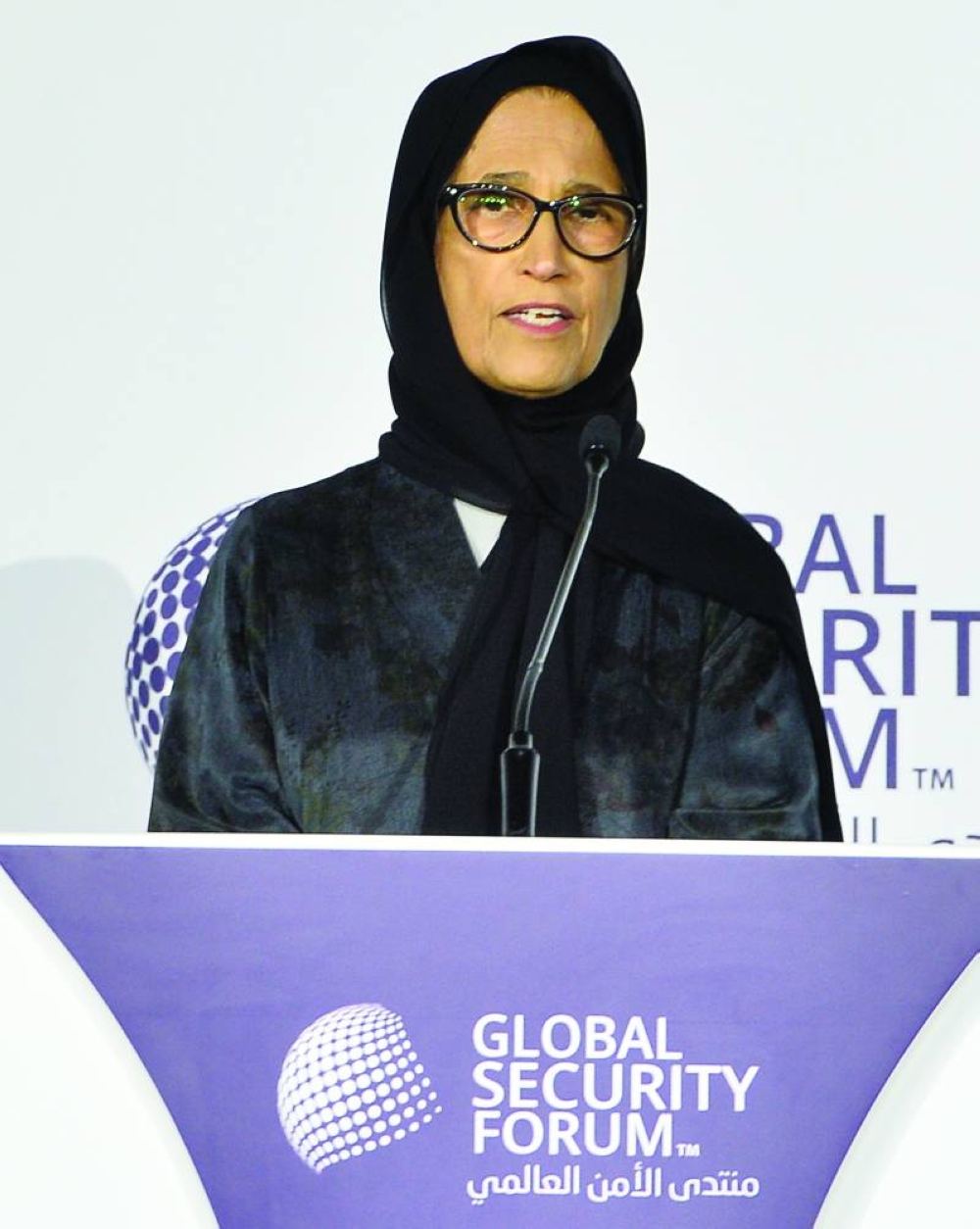
Governments must fundamentally adapt and modernise their approach to global security to effectively counter the rising power of non-state actors who are exploiting rapid technological advancements, according to HE Dr Hessa bin Sultan al-Jaber.“The rising power of non-state actors is not a distant threat; it’s a risk,” she said, stressing that transnational criminal networks, cybersecurity groups, and ideological militants already operate with a speed and agility that far surpasses that of traditional governments.Dr al-Jaber, Qatar's former Minister of Communications and Information Technology, and current member of the Supervisory Board of Volkswagen AG and chairperson of Trio Investment, delivered high-level remarks at the Global Security Forum 2025 in Doha on Monday, highlighting the urgent need for a paradigm shift in how nations address evolving security threats.She noted that these actors move capital, influence societies, and expand both digital and physical borders, all while formal institutions struggle to keep up.In her speech, Dr al-Jaber underlined the staggering scale of the underground cyber-economy, estimating that more than $2tn circulates within it, fueling corruption, conflict, and instability across the globe.“Transnational networks now control key industries, challenging state authority beyond national borders,” she said.Drawing from her background, Dr al-Jaber cited the power of digital platforms in shaping public opinion and altering political narratives at a pace governments struggle to manage. She explained that these networks are fluid, decentralised, and borderless, exploiting gaps in jurisdiction and adapting faster than legal systems can evolve.She pointed out that innovation is accelerating the reach of these actors, with Artificial Intelligence (AI), decentralised finance, and synthetic media lowering the barriers to disruption.“What once required the infrastructure of a nation-state now demands only a laptop and global network,” Dr al-Jaber said.She cited the limitations of traditional governmental approaches, such as border control, static defenses, and containment strategies, which are often bypassed or outpaced by the tactics of these actors.“This is not a fight for dominance; it’s a challenge for adaptation,” Dr al-Jaber said, outlining a multi-pronged approach to address the threat. First, strengthening international co-operation is essential, recognising that non-state actors move freely across borders while institutions remain divided.Another key element is modernising governance by implementing faster, more flexible systems for collaboration and enforcement to match the speed of emerging technologies. She said that adapting to new technology is also crucial, building capacity to understand, regulate, and responsibly use tools like AI and decentralised blockchain finance.She noted that rebuilding public trust also plays a crucial role, recognising societal divisions as vulnerabilities and fostering transparency, accountability, and civic engagement to enhance resilience.Dr al-Jaber warned that outdated structures and fragmented efforts will lead to failure. However, by adapting, operating, and modernising together, nations can not only meet these challenges but also shape a more secure and resilient global order.

AI possesses a remarkable capacity to learn from human behaviour, which essentially acts as a blueprint revealing a person’s characteristics, according to Dr Marwa Khalid Qaraqe.
Qatar
Role of AI in revolutionising autism care highlighted

Artificial intelligence’s ability to analyse behaviour and create personalised content offers unprecedented opportunities to tailor autism interventions, according to an expert at Hamad Bin Khalifa University (HBKU).Speaking at the “Advancing Inclusion: Shaping the Future of Autism Action Across QF” panel discussion yesterday, Dr Marwa Khalid Qaraqe, associate professor at HBKU’s College of Science and Engineering, underlined the capacity of artificial intelligence (AI) to fit autism approaches, therapies, and assessments to individual strengths, challenges, and needs.She said that AI possesses a remarkable capacity to learn from human behaviour, which essentially acts as a blueprint revealing a person’s characteristics.This capability, Dr Qarage pointed out, allows for a shift from subjective assessments to more objective and quantitative methods.She drew an analogy to a mother’s innate ability to understand her child’s needs through subtle cues, suggesting that AI can replicate and enhance this customised approach.Dr Qaraqe emphasised that this aim, a data-driven approach, has the potential to address a critical global need, as current assessment methods are often time-consuming and require specialised expertise that is in short supply worldwide.She was joined by Dr Khalid Fakhro, chief research officer at Sidra Medicine and professor of genomics and precision medicine at the HBKU; Matthew Campion, director at Renad Academy at Pre-University Education, Qatar Foundation; Dr Alia Satti, senior attending physician, Developmental Paediatrics and Rehabilitation Medicine, and clinical lead, Developmental Paediatrics, at Sidra Medicine; and Aisha al-Amari, advocate and co-founder of Autism Parents Platform.According to Dr Qaraqe, smart technologies also enable the creation of personalised content, varying schemes, and therapies, considering a child’s best learning methods and sensory sensitivities.In addition, they allow for “longitudinal tracking” of a child’s progress relative to their own individual baseline, moving away from predefined metrics or comparisons to other children.“Progress is still progress,” the expert stressed. “Ultimately, I think the real value in these smart technologies and AI in particular is it really enables us to effectively move from the ‘one size fits all model’ into a tailoured one.”“This is why, in this strategy, we really emphasise smart and intelligent technologies to fill the gap and move towards a more personalised assessment and interventions, not only for the autistic individual but for their families and the community at large,” Dr Qarage said.According to the QF, a key element of the initiative involves fostering AI-driven innovations and strategic partnerships to enhance early autism detection, interventions, education, assistive technology, and support for parents.The QF will also develop and test these technologies for early detection and special care through the Autism Sensing Centre (A-Sense).The strategy’s aim is to empower individuals with autism through technology, creating a more inclusive and supportive environment for them and their families.

Dr Alia Satti called for a more inclusive environment where autistic children can thrive, addressing parents’ concerns about acceptance in schools.
Qatar
Improving autism diagnosis and support

Increased inclusion in education, careers, and society, coupled with greater public awareness, is crucial for breaking down stigma and improving early diagnosis and intervention for autism, an expert at Sidra Medicine has said.Senior attending physician Dr Alia Satti, speaking at a Qatar Foundation (QF) event Sunday marking the launch of its comprehensive 10-year autism strategy, highlighted the persistent barriers hindering effective support for individuals with autism and their families.Addressing the challenges, she said that symptoms of autism can be subtle or easily overlooked, necessitating increased awareness and education among parents, frontline clinicians, and educators.Dr Satti referred to the potential of artificial intelligence (AI) and technology-driven digital screening methods to provide more objective assessments, alleviating pressure on both parents and clinicians.However, she underscored that societal stigma remains a significant obstacle.“Many parents, not all, rightly think the diagnosis may be an obstacle in their child’s journey of education, society inclusion, or career, and we need to do a lot of work on this because it could be the biggest obstacle,” Dr Satti said, noting that the fear of discrimination in schools and workplaces prevents some parents from seeking a diagnosis for their children.Asked about how to address stigma, she underlined the importance of increased representation and open dialogue.“I can think of two things: One is having more and more people with autism coming forward and talking to the community. Secondly, inclusion,” Dr Satti said.By sharing their experiences, she said that autistic individuals can help dispel misconceptions and foster a greater understanding of autism.Dr Satti stressed the need for greater inclusivity in education, careers, and society as a whole.Addressing parents’ concerns about acceptance in schools, she called for a more inclusive environment where autistic children can thrive.The expert also identified practical challenges in accessing assessment and therapy services.“If parents managed to jump these two hurdles, with awareness and stigma, and then they look for assessment, these would then be another struggle where they’ll face or confronted with waiting lists or lack of expertise,” she said.Dr Satti advocated for increased capacity and a multidisciplinary approach to assessment, involving physicians, psychologists, and occupational therapists, among others.She also cited the financial burden of autism care, noting that therapy and additional educational support can be a significant expense for families.“Affordability ... therapy can be quite draining for parents financially, as well as education, because they need additional support, that’s a huge expense,” she pointed out. “Insurance often does not cover most of these services. But I think we really need to advocate for this.”

QF’s executive director of RDI, Dr Hilal Lashuel, speaks to Gulf Times Sunday. PICTURE: Shemeer Rashid
Qatar
QF launches 10-year autism strategy

Qatar Foundation (QF) unveiled a comprehensive 10-year strategy designed to dramatically improve the lives of individuals with autism in Qatar, at an event Sunday in Education City.The 'Qatar Foundation Autism Strategy 2025-2035' outlines a multi-faceted approach covering inclusive education, cutting-edge artificial intelligence (AI) innovations, groundbreaking genetic research, and streamlined healthcare pathways.The strategy aligns with Qatar’s national autism agenda, recognising autism as a significant national health challenge and reaffirming QF’s commitment to disability rights, accessibility, and inclusive national development.Speaking at the event, Dr Dena al-Thani, associate professor and head of the Information and Computing Technology Division at QF’s Hamad Bin Khalifa University’s (HBKU) College of Science and Engineering, who chairs QF’s Autism Task Force, highlighted the significance of the initiative, saying: “This launch is a milestone for QF. It stresses inclusion, empowerment”.She noted that the roadmap reflects a proactive response to the diverse needs of individuals with autism and their families, setting concrete targets to be achieved by 2035.Key objectives include a 25% reduction in the average age of autism diagnosis, a 50% increase in the number of young people with autism participating in higher education, vocational training, or employment, a 50% improvement in the reported quality of life for families impacted by autism, and a 50% increase in QF-developed technologies supporting improved outcomes.Dr Dena said the strategy, developed over nearly two years, was built on evidence-based research, listening to the autistic community, and collaborative efforts with the Ministry of Public Health, ensuring alignment with Qatar’s broader national autism plan.“Our vision, our idea is to affirm firstly the incredible value of the diversity, and the unique strength individuals with autism bring to our society but also at the same time acknowledge the gaps, the challenges we have.She credited Her Highness Sheikha Moza bint Nasser, Chairperson of Qatar Foundation, and the Education Above All (EAA) Foundation, for spearheading the initiative through the establishment of the Autism Task Force.The strategic priorities outlined in the plan include:1. Health Services: Ensuring individuals with autism have access to integrated, accessible, timely, and user-friendly health services.2. Education and Employment: Improving access to education, vocational training, and employment services for individuals with autism.3. Community Support Services: Fostering an informed, inclusive, and supportive society where individuals with autism can thrive.4. Research and Innovation: Driving groundbreaking discoveries and technological solutions that lead to innovation and policy action, benefiting individuals with autism.QF noted that the strategy comprises several key initiatives aimed at achieving these targets. One cornerstone is the expansion of Renad Academy, a pioneering school under QF’s Pre-University Education, to cater to students aged 3 to 21. This expansion will enable the institution to provide comprehensive support to children with autism throughout their educational journey. Furthermore, QF will implement measures for early autism identification and intervention within its network of schools.QF also plans to establish a community hub offering digital solutions for parents of children with autism. This hub will provide culturally relevant autism support, counseling services, and peer networks, fostering a strong support system for families. A vocational hub will also be created within Education City to offer specialised autism programmes and services, preparing individuals with autism for employment opportunities.According to QF, AI plays a central role in the QF Autism Strategy 2025-2035, tapping its existing partnerships to develop innovative solutions for early autism detection, interventions, education, assistive technology, and parental support.The strategy also prioritises genetic research to identify the genetic factors underlying autism. QF’s Sidra Medicine, a leading women’s and children’s hospital and medical research centre, will play a crucial role in this area, conducting genomics and multi-omics research to enable the development of personalised healthcare and therapies. Sidra Medicine will also introduce an integrated care model tailored to the unique needs of individuals with autism.Speaking to Gulf Times, Dr Hilal Lashuel, Research, Development and Innovation Advisor to the Chairperson of QF and QF’s executive director of RDI, underscored the importance of unlocking the potential of all members of society, including individuals with autism.He said the main objective of the strategy, based on the vision of QF’s Research, Development and Innovation, is to unlock the potential of all its people, including people with autism and disabilities.“The idea here is to make sure that no one is left behind and individuals with autism or other disabilities have an equal opportunity to develop, live an independent and fulfilling life, and contribute to society.“We need to be able to recognise them, we need to support them, we need to empower them, and we need not only evolve things based on their needs but based on our belief in their capabilities. So this requires a comprehensive system, a new vision, a new way of reimagining autism care, not just one based on support but based on empowerment,” Dr Lashuel said.Qatar Foundation’s contribution to building an autism-friendly nation1996: QF establishes The Learning Center to provide families with assessment services for learning, socio-emotional needs, and developmental challenges.1999: QF founds a school that would become Awsaj Academy, a specialized school for students aged 3-18 years with mild and moderate learning disabilities.2007: Her Highness Sheikha Moza bint Nasser, Chairperson of Qatar Foundation, advocates at the United Nations for the establishment of World Autism Awareness Day, now marked annually on 2 April.2012: QF’s Hamad Bin Khalifa University initiates a study to determine the autism prevalence rate in Qatar.2016: QF opens Renad Academy, Qatar’s first school for children with autism.2016: Awsaj Academy’s Prime Program is launched to further support children’s learning needs; and Awsaj’s satellite programs are introduced into mainstream schools.2016: QF’s World Innovation Summit for Health (WISH) issues its report ‘Autism: A Global Framework for Action’, identifying challenges facing the autism community.2016: QF establishes Sidra Medicine, providing world-class healthcare services to children and families across the region and comprehensive services to children with autism. The hospital is officially inaugurated in 2018.2017: QF’s global education initiative WISE publishes reports on meeting the needs of students with autism in Qatar, and providing inclusive quality education.2017: Equine-assisted therapy sessions for children with autism are introduced at QF’s Al Shaqab.2018: Sidra Medicine begins the BARAKA study to determine the genetic and environmental basis of autism and build a national resource for advancing autism knowledge.2018: QF establishes the Ability Friendly Program, providing inclusive, accessible sporting opportunities, with its Qader Award providing subsidized access to sport for people with disabilities.2019: HBKU’s Qatar Biomedical Research Institute publishes the results of a seven-year study that determines an autism prevalence rate in Qatar of 1 in 87 children.2019: QF’s Doha International Family Institute publishes a report addressing the challenges of families caring for children with autism.2019: QF introduces the DARB initiative to provide educational evaluations and therapy services for those aged 3-18 years.2020: QF validates the Arabic version of an eye-tracking tool for diagnosing and detecting autism.2021: QF develops learning tools for children with autism in response to barriers to inclusive learning during the COVID-19 pandemic; and collaborates with the Ministry of Public Health on a report on educating children with disabilities amid the backdrop of COVID-19.2021: A WISH report explores the challenges facing adults with autism in Qatar.2022: QF collaborates with the Supreme Council for Delivery & Legacy and FIFA to install sensory rooms in three FIFA World Cup Qatar 2022™ stadiums.2022: QF partners with Paris Saint-Germain to build capacity for football coaches to better support children with autism.2023: The first evaluation study on accessibility at QF’s Education City is produced, and QF establishes an Autism Task Force to coordinate and prioritize action to support Qatar’s autism community.2023: A sensory room is designed at Qatar National Library in Education City.2024: Sidra Medicine’s Autism-Friendly Hospital Initiative is launched.2024: QF partners with the Ministry of Education and Higher Education to operate Warif Academy, serving children and young people with severe disabilities.2024: HBKU establishes the Autism Sensing Center of Excellence (A-Sense), which is contributing to innovative technological enhancements in autism assessment and intervention.2024: A WISE report proposes a national roadmap to enhance inclusion in education and employment for people with disabilities in Qatar.

Thai ambassador Sira Swangsilpa with other participants at the seminar.
Qatar
Spotlight on Thai eco-tourism and sustainability

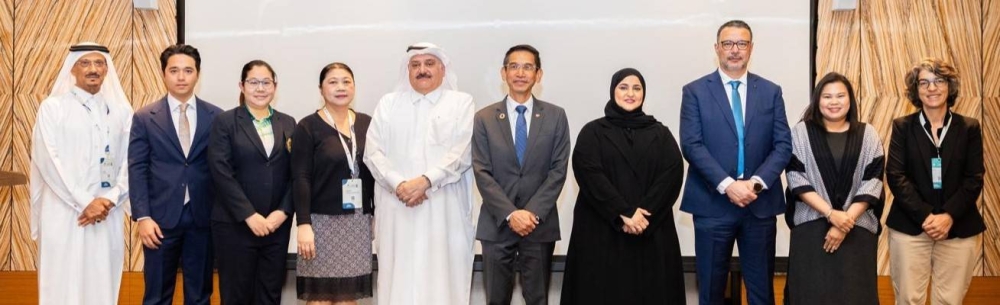
Thailand highlighted its commitment to sustainable development by showcasing its globally recognised eco-tourism models and community-driven initiatives at a seminar as part of the Earthna Summit 2025, which concluded on Wednesday.Titled From Local to Global: Thailand’s Sustainability and Eco-Tourism Journeys, the seminar was organised by the Thai embassy in partnership with the Earthna Centre for a Sustainable Future, the Ministry of Environment and Climate Change (MoECC), and the Environmental Science Centre (ESC) at Qatar University (QU).In his speech, Thai ambassador Sira Swangsilpa highlighted the importance of sustainable development and environmental conservation as key areas for potential collaboration between Qatar and Thailand, aligning with both nations’ development strategies.Earthna director of research and policy Dr Radhouane Ben-Hamadou underscored the need for international co-operation and partnerships while Chachsaran Lertkiattiwong, the director of International Co-operation Division at the Thailand International Co-operation Agency (TICA), stressed the TICA’s role in facilitating knowledge exchange between Thailand and the Middle East, particularly Qatar, in areas of mutual interest.The seminar showcased Thailand’s sustainability frameworks, focusing on its well-regarded eco-tourism approaches, environmental protection efforts, and community-led development projects.The embassy noted that the discussions align with the Qatar National Vision 2030 and the 3rd National Development Strategy 2024-2030, prioritising sustainable economic growth and a knowledge-based economy.The first talk on Empowering Local Communities – An Enterprise for a Better World, saw Visit-orn Rajatanarvin, the director of the Knowledge and Learning Centre at the Mae Fah Luang Foundation under Royal Patronage, presenting the Doi Tung Development Project.The second session on Promoting Responsible Eco-Tourism and Environmental Education, featured Alex Rendell, the chief executive director and co-founder of Environmental Education Centre Thailand, who emphasised that responsible eco-tourism begins with education, fostering a connection between people and nature.Thai and Qatari experts also shared their insights on current mangrove conservation efforts and educational awareness campaigns at a panel discussion on advancing environmental conservation.Associate assistant professor Dr Pasinee Worachananant from Kasetsart University shared observations and policy recommendations, while Dr Aspa D Chatziefthimiou, chief scientific officer of the Mangrove Restoration Project at Earthna, discussed conservation projects and educational strategies.Prof Dr Jassim al-Khayat, principal investigator at the ESC of Qatar University, spoke about ongoing research and the importance of engaging younger generations in environmental stewardship.The seminar brought together more than 60 participants, including representatives from various Qatari sectors.The Thai embassy also hosted an exhibition at the Earthna Village 2025, showcasing Thailand’s journey towards sustainable development through upcycled products from the Doi Tung Development Project and community products from Thai mangrove forests.

Gulf Times
Qatar
NMoQ showcases Latin American art through the lens of nature, identity, and resistance

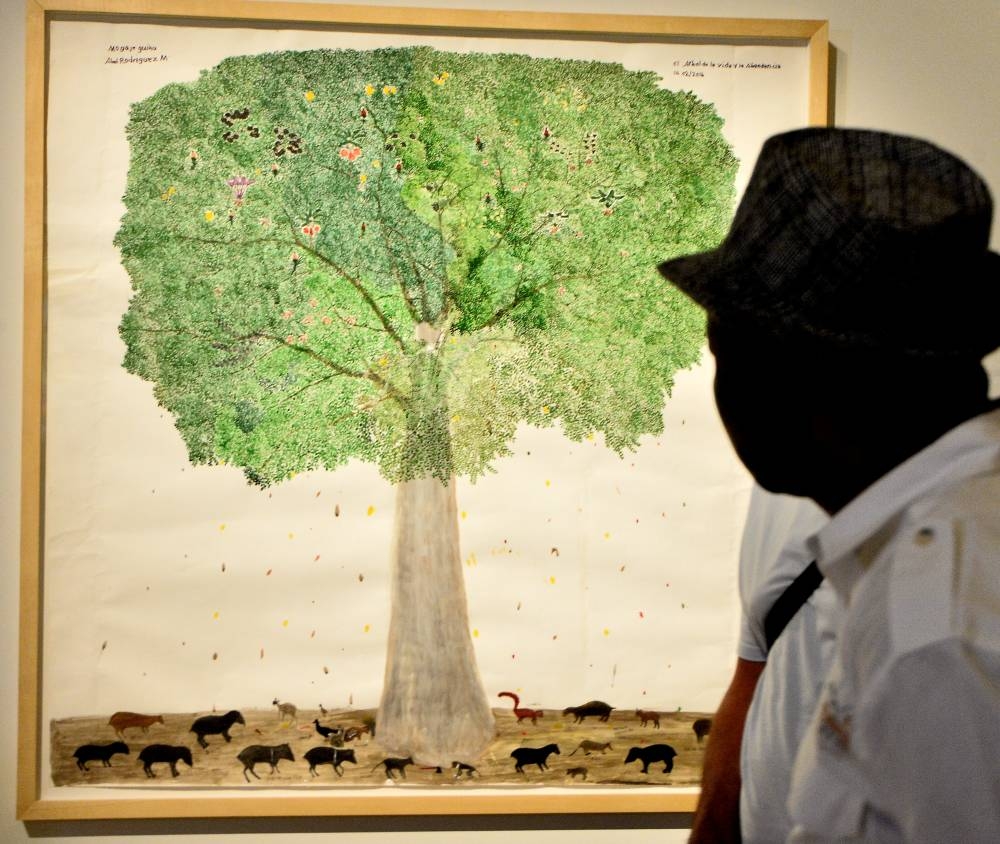
From depictions of lush landscapes to stark commentary on environmental degradation, the “LatinoAmericano” exhibition at the National Museum of Qatar (NMoQ) offers a powerful look at Latin American artists’ engagement with nature and their visions for the planet’s future.The “LatinoAmericano: Modern and Contemporary Art from Malba and Eduardo Costantini Collections” is a collaboration between Qatar Museums (QM) and the Museo de Arte Latinoamericano de Buenos Aires (Malba).Featuring around 170 works by more than 100 pioneering and contemporary artists from across Latin America, the exhibition will be on view until July 19.According to the QM, one prominent theme of this exhibition is the interconnectedness of all living things, reflecting indigenous ecological beliefs.Modern Latin American artists, breaking free from the “colonial gaze” that shaped earlier representations of the Americas, sought to capture the exuberance and diversity of their environments.Cuban artist Wifredo Lam, for example, incorporates imagery from sugarcane, palm leaves, and the Caribbean light, merging plant, animal, and human qualities to celebrate his Afro-Cuban heritage.“Everything is interconnected; a living organism” is the overarching theme portrayed by many artists.Sheroanawe Hakihiiwe stresses this “communal ecological belief system”, while Hakihiiwe and Mogaje Guihu (Abel Rodriguez) create touching records of their environments, combining botanical knowledge with ancestral practices.The exhibition, the QM noted, also confronts the pressing issue of environmental degradation.Nicolas Garcia Uriburu’s colourised interventions on water in the mid-1960s drew attention to global water pollution, while Monica Giron focuses on the transformations of the environment and the “fluid relationship between the planet and the self”.The QM pointed out that “LatinoAmericano” highlights the evolution of Latin American art, including the radical shifts in visual language that occurred in the second half of the 20th century.Artists like Martin Blaszko, Juan Mele, and Diyi Laan challenged traditional artistic disciplines.Lygia Clark’s interactive Bichos series and the kinetic art of Gregorio Vardanega, Julio Le Parc, and Martha Boto further expanded viewer engagement, offering participatory experiences.The exhibition also digs into the role of art as a tool for revolution and social change.The Mexican Revolution inspired artists like David Alfaro Siqueiros and Diego Rivera to create large-scale murals focused on revolutionary struggles and indigenous cultures.Similarly, artists during the dictatorships of the 1960s and 70s, like Cildo Meireles and Eugenio Dittborn, used their art to protest oppression and injustice.According to the QM, “LatinoAmericano” offers a rich and multifaceted exploration of Latin American art, highlighting its engagement with pressing social and environmental issues, its innovative artistic practices, and its powerful voice in shaping identity and driving change.This is the first major exhibition in the West Asia and North Africa region dedicated to Latin America’s modern and contemporary art.The QM said that “LatinoAmericano” is organised into six thematic sections, and underlines a unique cultural exchange between Qatar and Latin America.It serves as a centrepiece of this year’s Qatar-Argentina and Chile 2025 Year of Culture.

Dr David Simon at Earthna Summit 2025 on Wednesday. PICTURES: Joey Aguilar
Qatar
Arid Cities Network gains momentum at Earthna Summit

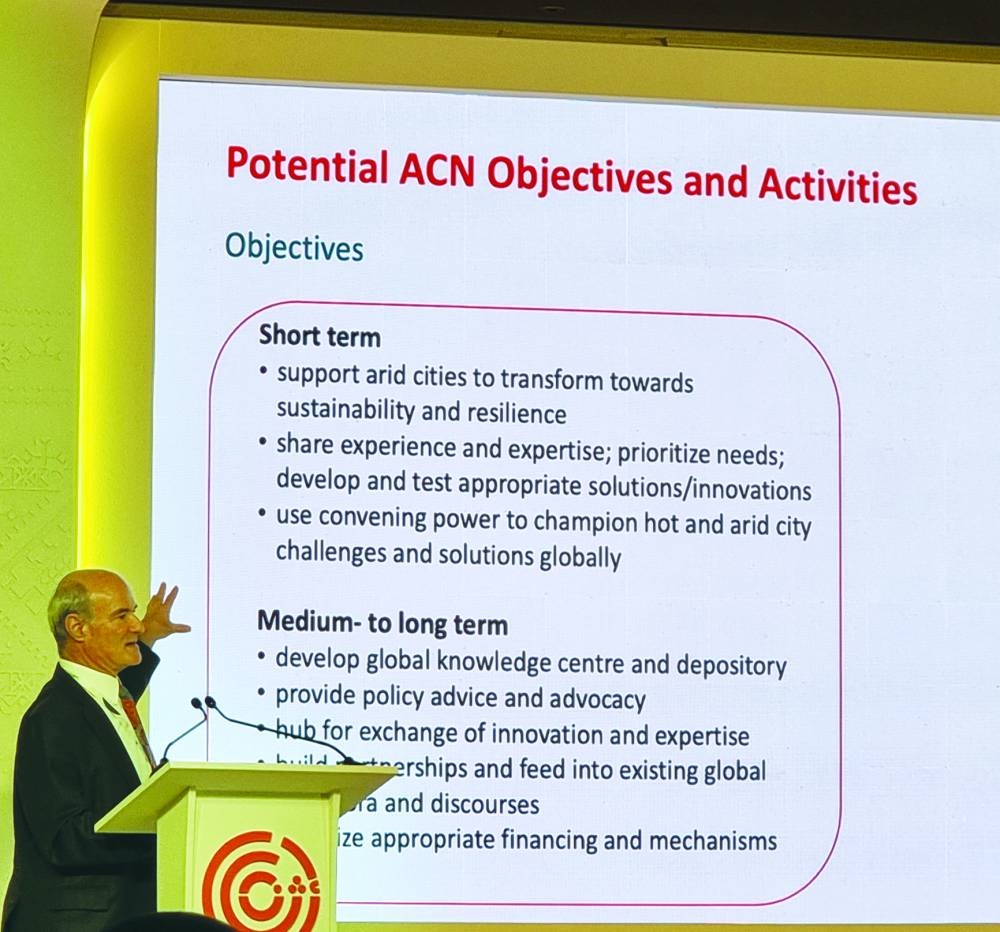
The creation of a global Arid Cities Network (ACN) garnered strong support at the Earthna Summit 2025, highlighting the need for collaborative solutions and a platform to share knowledge among urban centres facing the challenges of arid environments. A concluding session at the summit, titled 'The Case for an Arid Cities Network,' underscored the proposed network’s aim to foster resilience and empower cities to thrive amidst increasing water scarcity, extreme heat, and limited resources. Dr David Simon, professor of Development Geography at Royal Holloway, University of London, presented early findings from an upcoming research report on the ACN, including a challenges and needs assessment conducted in six pilot cities, including Doha and Oman. He said the research identified converging pressures around water scarcity, heat extremes, urban livability, and fragmented governance as common obstacles. While the study found that many cities are already implementing context-specific solutions, often inspired by traditional knowledge, Dr Simon said significant gaps remain in the integration and scaling of these initiatives. He noted that a key takeaway from the research was the urgent need for peer-to-peer learning and a centralised platform for sharing best practices. Dr Simon outlined potential short-term objectives and activities for the ACN, such as supporting arid cities in their transformation towards sustainability and resilience, facilitating the sharing of experiences and expertise, prioritising needs, and developing and testing appropriate solutions. The network, he added, also aims to use its convening power to champion the challenges and solutions for hot and arid cities on a global scale. For medium- to long-term aims, he cited the need to develop a global knowledge centre and depository, provide policy advice and advocacy, serve as a hub for the exchange of innovation and expertise, build partnerships, and contribute to existing global discussions. The panel discussion following Dr Simon’s presentation further strengthened support for the ACN. Ibrahim Thiaw, undersecretary general and executive secretary of the United Nations Convention to Combat Desertification, pointed out that the network was “definitely a good idea.” He stressed the importance of establishing a specific platform for knowledge exchange, highlighting the need to address a number of issues within the context of arid environments. Msheireb Properties CEO Eng Ali al-Kuwari echoed this view, emphasising the value of continuous dialogue and knowledge-sharing. Lima mayor Rafael Lopez Aliaga suggested creating a specific chapter dedicated to arid cities within a larger existing organisation, arguing that it is a critical issue affecting not only arid cities but also cities facing water scarcity in general. Terri Wills, Director at the Climate, Children's Investment Fund Foundation, underscored the potential benefits of the network, particularly for secondary and smaller cities facing current and future challenges.