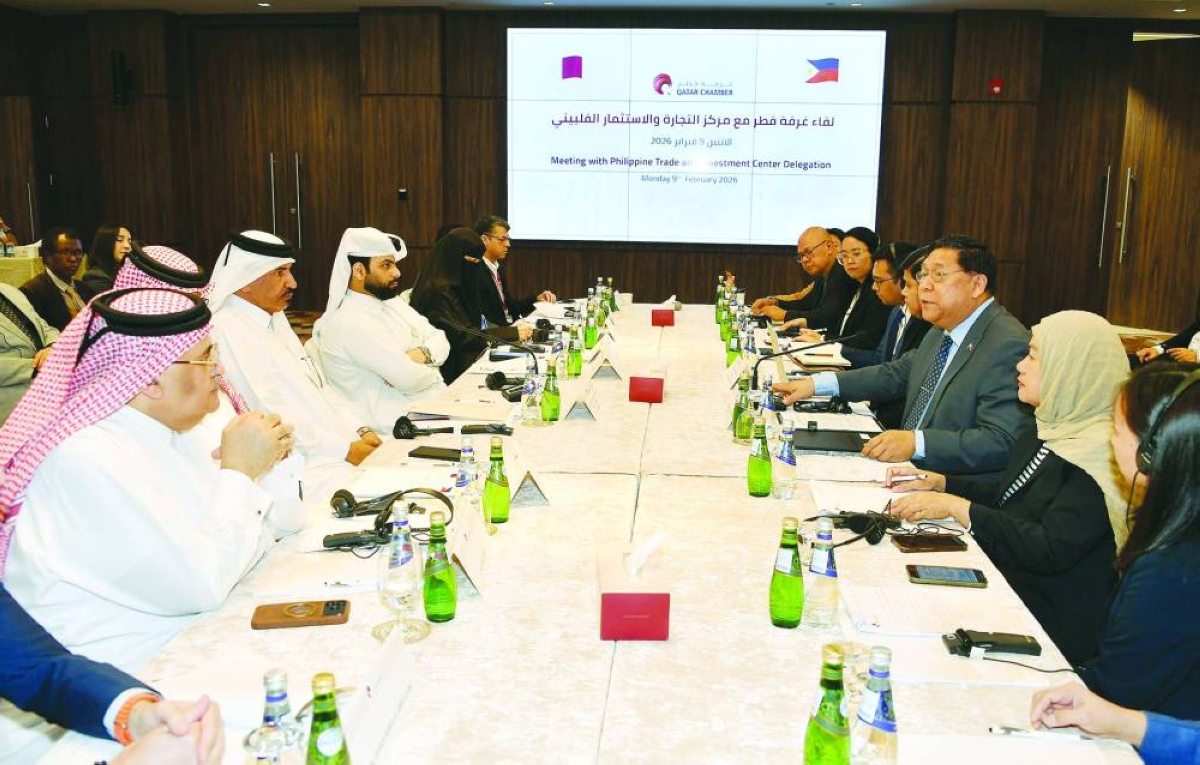
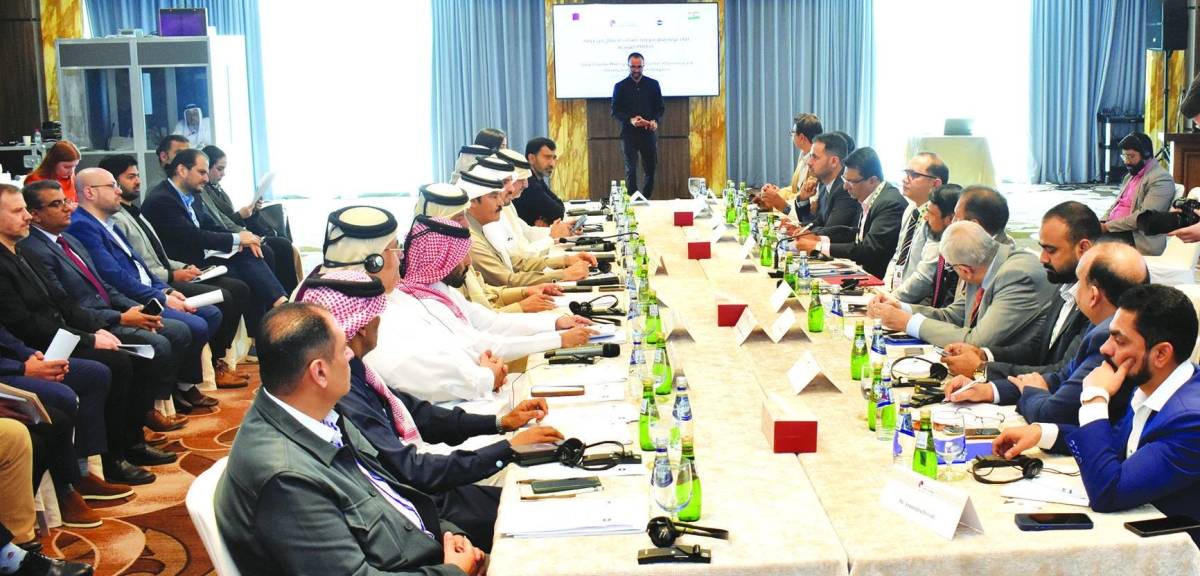
The Philippines’ top diplomat here has urged Qatari investors to view the Philippines as a strategic gateway to Southeast Asia, positioning Manila as a partner in Doha’s long-term diversification drive under Qatar National Vision 2030.“We invite Qatari investors to view the Philippines not only as a trusted trading partner, but also as a strategic gateway to Southeast Asia, which is a dynamic regional market, having a total of over 650bn people,” Philippine Ambassador to Qatar Mardomel Celo D Melicor told Gulf Times in an exclusive interview.According to Melicor, the Philippines’ AmBisyon Natin 2040 complements Qatar National Vision 2030, opening avenues for cooperation across multiple sectors. AmBisyon Natin 2040 “represents the collective long-term vision and aspirations of the Filipino people for themselves and for the country...it describes the kind of life that people want to live, and how the country will be by 2040.”He said, “Beyond trade, we see significant potential for collaboration aligned with our shared long-term vision...while there are tangible achievements on the food and personal care sectors, we also see promising synergies in agriculture and food security, renewable energy, health care, and digital transformation.”He noted that Philippine enterprises, much like the Filipino community in Qatar, can play a constructive role in supporting the country’s continued economic diversification.“Just as the Filipino community has contributed meaningfully to Qatar’s development, we believe that Philippine enterprises can play a constructive role in supporting Qatar’s continued economic diversification,” he emphasised.Speaking on the recently-concluded Doha leg of the Outbound Business Matching Mission (OBMM) in the GCC spearheaded by the Department of Trade and Industry’s Export Marketing Bureau, Melicor stressed that Filipino products often remain under-recognised in Gulf markets, noting that the OBMM provides vital exposure to Qatari importers and investors.“The OBMM...creates the linkages. First, you have to be seen; you have to be known. So, the OBMM, including our exporters’ participation in trade fairs, are important for Filipino products to gain international exposure and recognition. That’s the strategic value of this mission,” Melicor explained.Citing a business mission to Doha in November 2025 led by a delegation from the Philippine Chamber of Commerce and Industries (PCCI), the Department of Tourism (DoT), the Mindanao Development Authority (MinDa), and officials from the province of Misamis Occidental, Melicor said the meetings held by the delegates have resulted in promising business ventures and investment opportunities.“The visit of our stakeholders from the Philippines’ public and private sectors to Doha last year has attracted Qatari interest in halal tourism projects. A Qatari investor is slated to travel to the Philippines this month to visit the site in Misamis Occidental,” Melicor announced.Melicor also pointed to Qatar’s diversification drive under the state’s 2030 national vision, where services and knowledge-based industries offer long-term opportunities for Philippine collaboration.“We are reaching that time in history...the long-term strategic aim is to have services, for example, AI-aided services,” noted the ambassador, who acknowledged challenges posed by artificial intelligence to the Philippines’ BPO sector, urging a pivot toward animation, game development, and creative industries.“We need an alternative...animation, game development, and higher value-added sectors by maximising the use of AI, as well as technology where there is a keen focus on creativity,” Melicor pointed out.The ambassador underscored that Philippine enterprises are ready to contribute constructively to Qatar’s economic diversification, saying: “We look forward to deepening our engagements, learning from each other, and building partnerships that deliver shared and sustainable goals.”









3
4