Author

Thursday, February 12, 2026 | Daily Newspaper published by GPPC Doha, Qatar.
The transport, industrials and consumer goods counters witnessed higher than average demand as the 20-stock Qatar Index rose 0.12% to 11,643.31 points, although it touched an intraday high of 11,742 points.
Business
World oil price strength helps QSE index gain 14 points

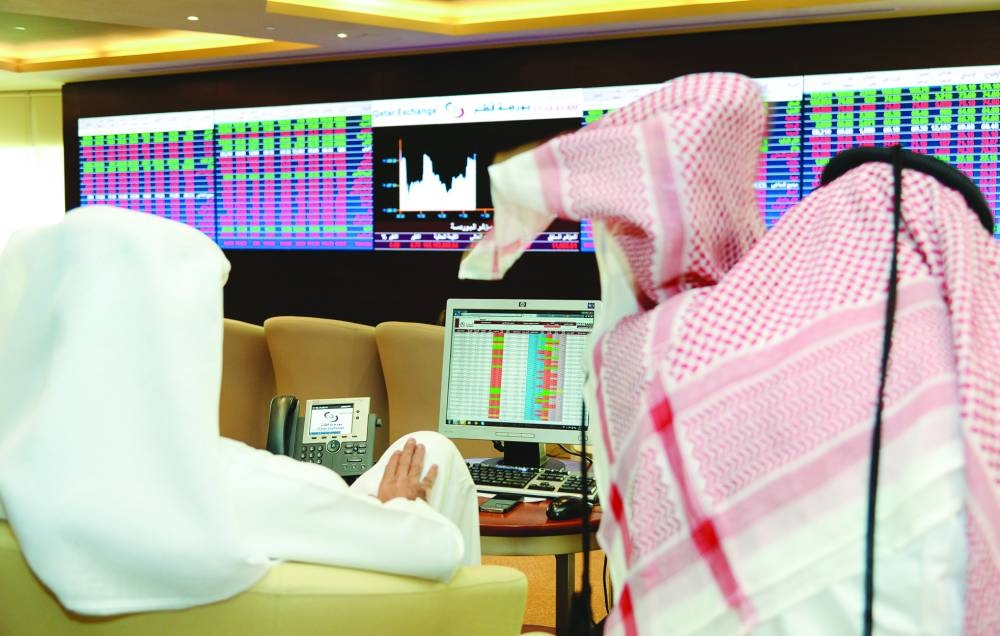
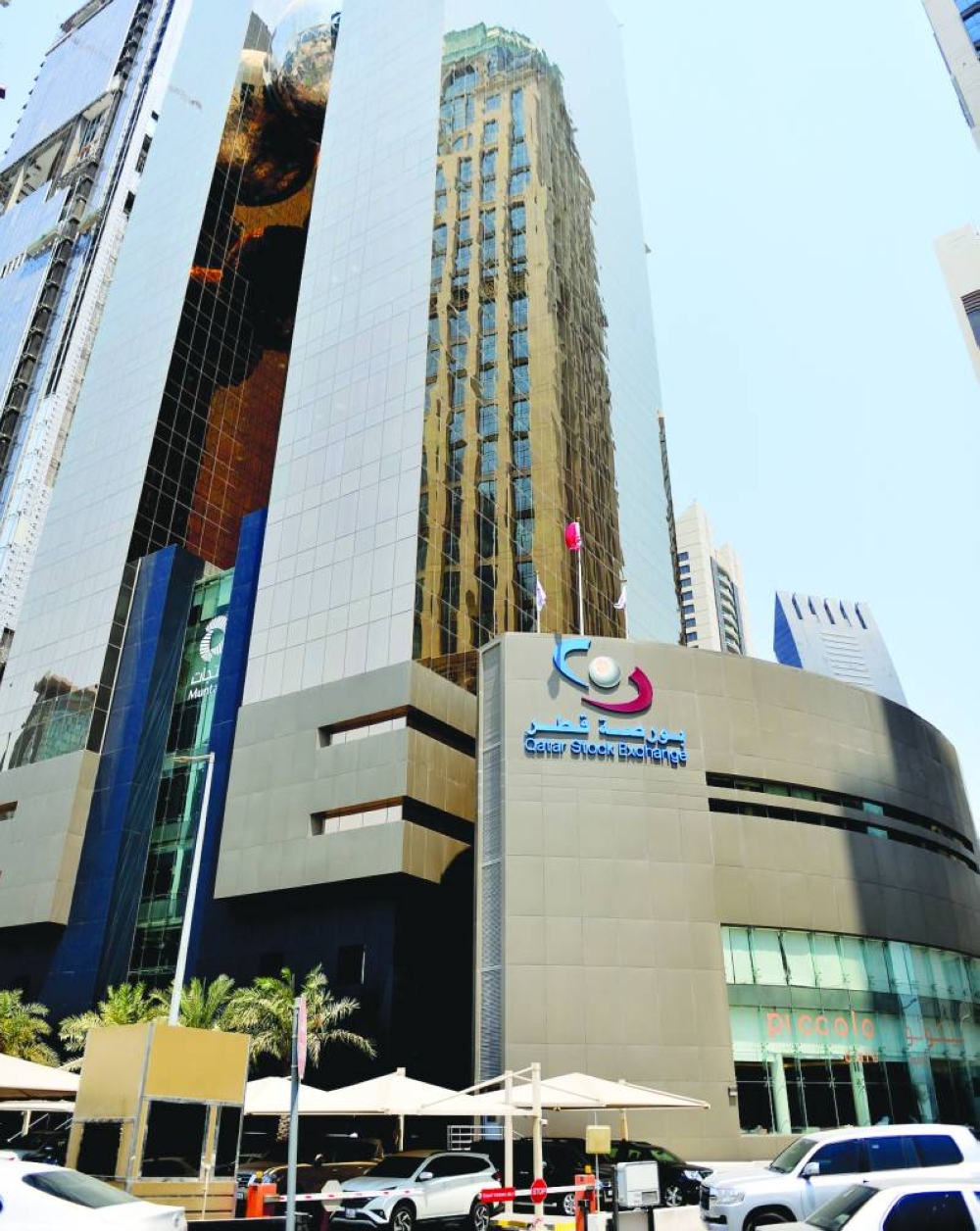
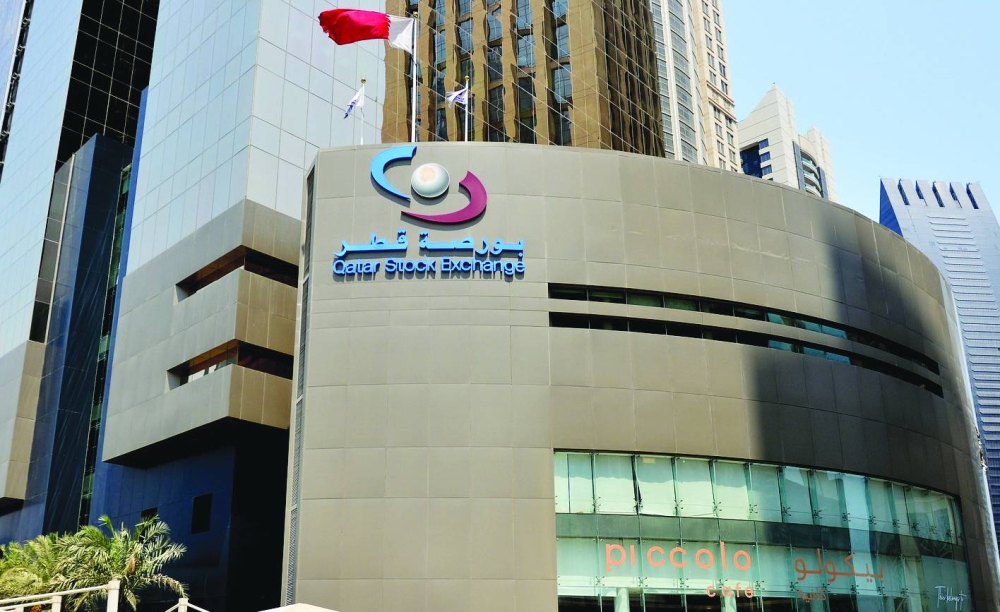
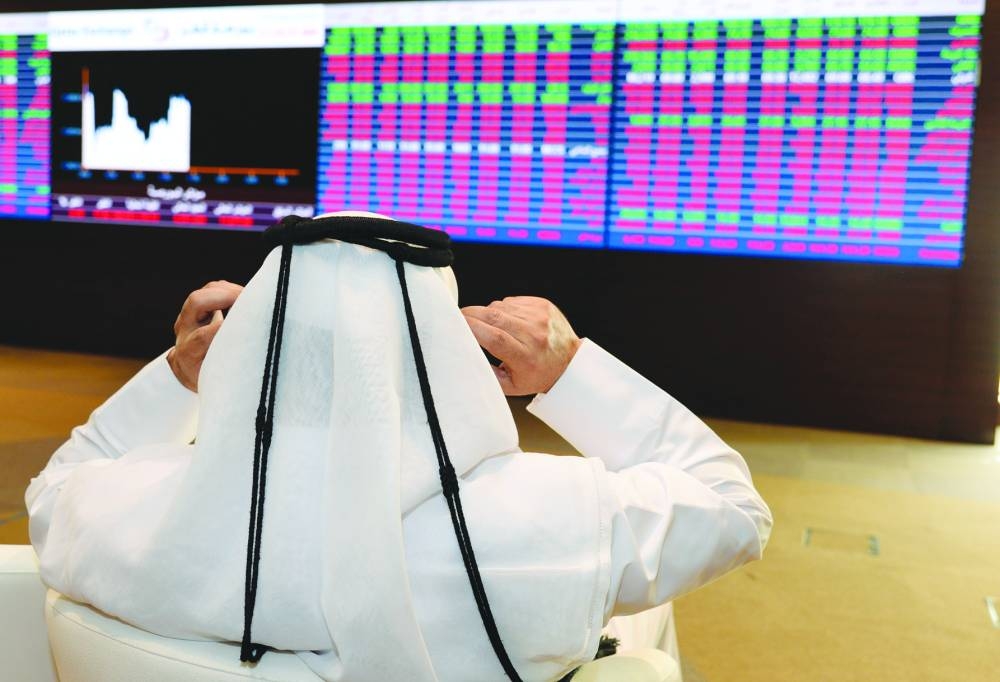
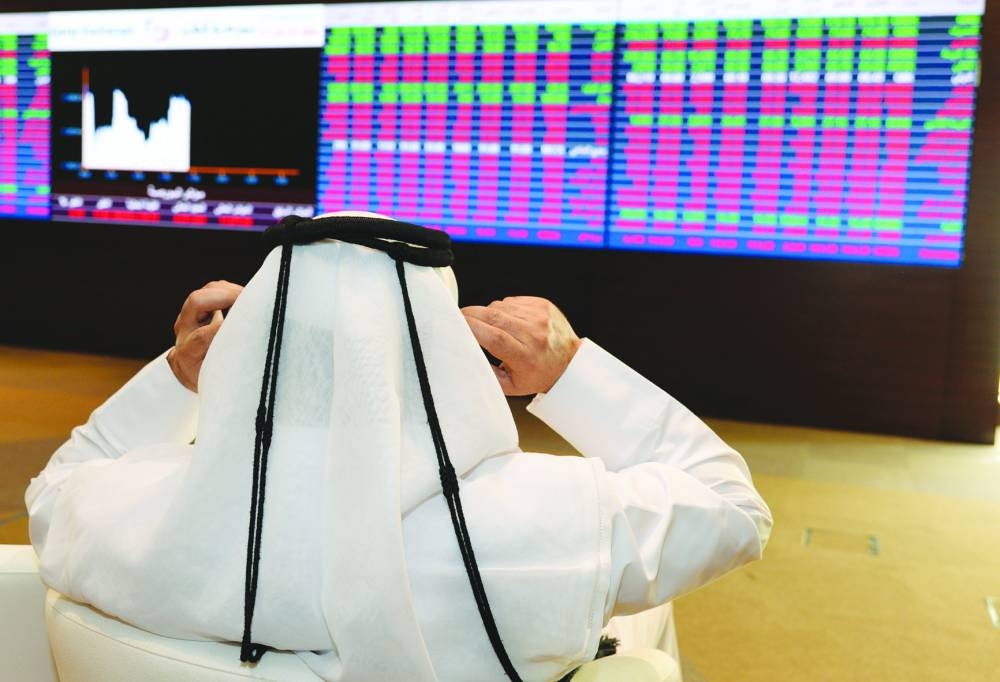
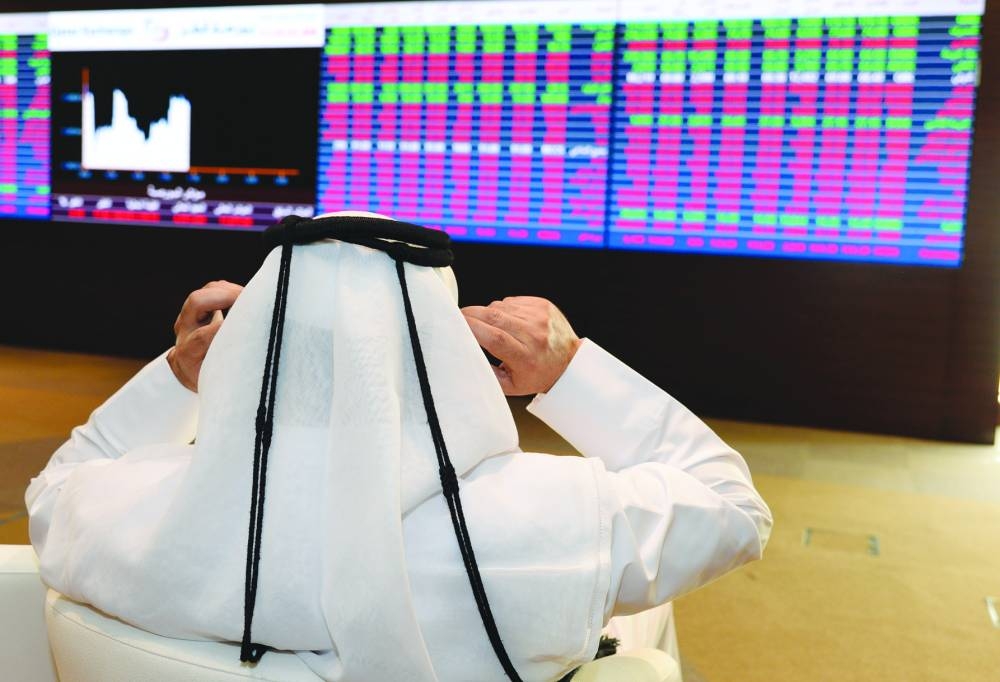
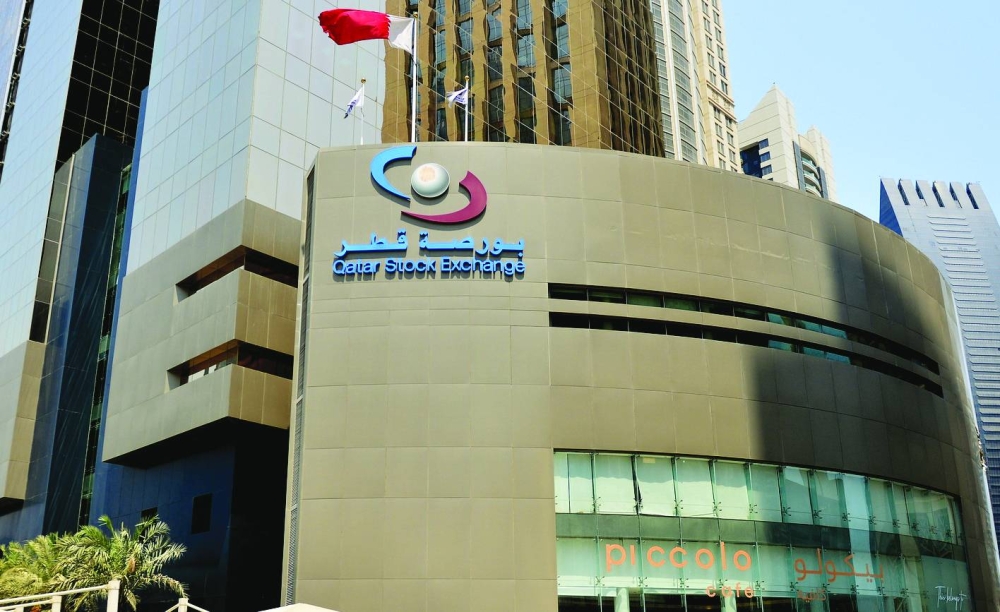
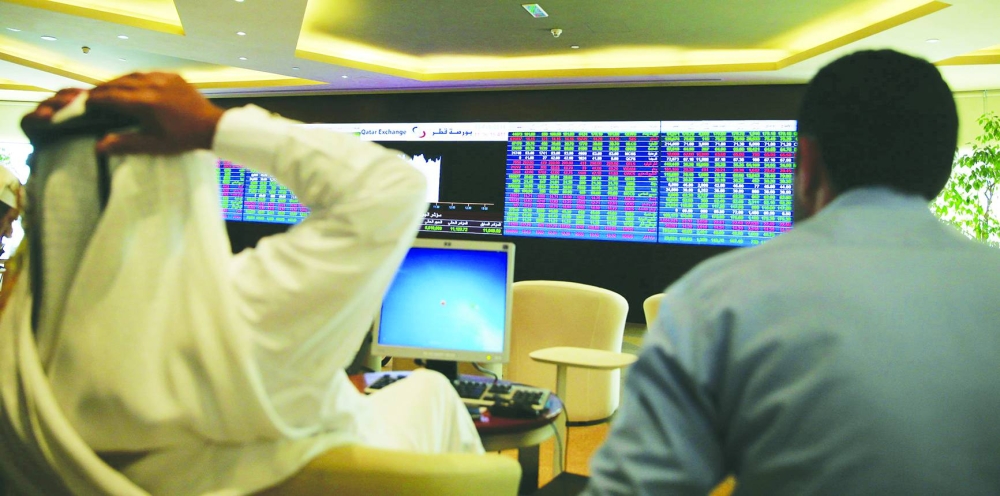
Market EyeStrengthened oil prices had its reflection on the Qatar Stock Exchange, which Thursday gained more than 14 points as local retail investors turned bullish.The transport, industrials and consumer goods counters witnessed higher than average demand as the 20-stock Qatar Index rose 0.12% to 11,643.31 points, although it touched an intraday high of 11,742 points.The Gulf institutions were increasingly net buyers in the main market, whose year-to-date gains improved further to 10.19%.More than 46% of the traded constituents extended gains to investors in the main bourse, whose capitalisation added QR0.76bn or 0.11% to QR692.84bn mainly on microcap segments.The foreign funds continued to be net buyers but with lesser intensity in the main market, which saw as many as 0.02mn exchange traded funds (sponsored by AlRayan Bank and Doha Bank) valued at QR0.12mn trade across 22 deals.The domestic institutions were seen net profit takers in the main bourse, whose trade turnover and volumes were on the decline.The Islamic index was seen gaining slower than the other indices of the main market, which saw no trading of treasury bills.The foreign retail investors turned bearish in the main bourse, which saw no trading of sovereign bonds.The Total Return Index gained 0.12%, the All Share Index by 0.11% and the All Islamic Index by 0.01% in the main market.The transport sector index shot up 1.45%, industrials (0.34%), consumer goods and services (0.31%) and telecom (0.04%); while real estate declined 0.42%, insurance (0.15%) and banks and financial services (0.12%).Major movers in the main market included Doha Bank, Baladna, Milaha, Estithmar Holding, Salam International Investment, Meeza, Industries Qatar, and Nakilat.In the junior bourse, Techno Q saw its shares appreciate in value.Nevertheless, Al Faleh Educational Holding, Mannai Corporation, QIIB, Inma Holding, Qatar Islamic Bank, Qamco and Mazaya Qatar were among the shakers in the main market.The local individuals turned net buyers to the tune of QR15.26mn compared with net sellers of QR63.9mn on August 13.The Gulf institutions’ net buying increased perceptibly to QR15.07mn against QR13.59mn the previous day.The Arab retail investors’ net selling decreased noticeably to QR2.09mn compared to QR3.92mn on Wednesday.The Arab institutions’ net profit booking weakened marginally to QR0.25mn against QR0.26mn on August 13.However, the domestic funds were net sellers to the extent of QR31.05mn compared with net buyers of QR0.91mn the previous day.The foreign individual investors turned net sellers to the tune of QR3.38mn against net buyers of QR1.01mn on Wednesday.The foreign institutions’ net buying decreased substantially to QR6.2mn compared to QR52.08mn on August 13.The Gulf retail investors’ net buying eased marginally to QR0.25mn against QR0.48mn the previous day.The main market saw a 25% contraction in trade volumes to 227.57mn shares and 7% jump in value to QR621.38mn but on 13% jump in deals to 29,636.In the venture market, a total of 0.09mn equities valued at QR0.26mn changed hands across 24 transactions.

Qatar is updating its sovereign green assets register as it strengthens sustainable transformation by pioneering innovative financing solutions and championing investment in green projects, according to the Ministry of Finance. PICTURE: Shaji Kayamkulam
Business
Qatar strengthens sustainable transformation, updates sovereign green assets register

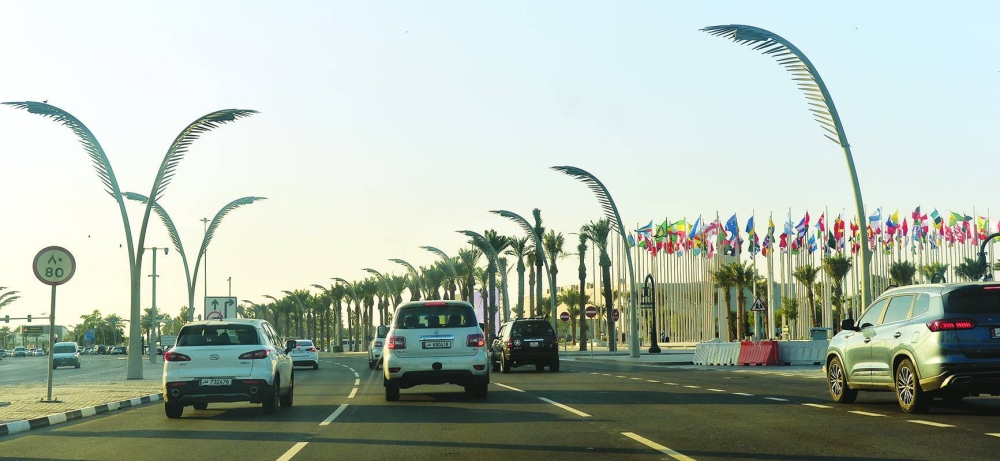
Qatar is updating its sovereign green assets register as it strengthens sustainable transformation by pioneering innovative financing solutions and championing investment in green projects, according to the Ministry of Finance."The Ministry of Finance is driving Qatar's sustainable transformation by pioneering innovative financing solutions and championing investment in green projects. These strategic initiatives underscore Qatar's unwavering commitment to the Sustainable Development Goals (SDGs) and the Qatar National Vision 2030," the Government Communication Office said in its social medial handle X.Outlining its sustainability initiatives to drive development; the ministry said it issued Qatar's first sovereign green bonds in the second quarter of 2024. Qatar had set a regional benchmark by issuing $2.5bn in green bonds to fund environmentally friendly projects, marking a new era for sustainable finance.The bonds were divided into two tranches: a $1bn tranche with a five-year maturity priced at a 30 basis point spread over the US treasuries and a $1.5bn tranche with a 10-year maturity priced at a 40 basis point spread over the US treasuries. The country achieved the lowest spread ever recorded by any bond-issuing country in the Middle East, Central and Eastern Europe, and Africa.The Ministry of Finance had revealed that the coverage ratio exceeded 5.6 times the total issuance size, with peak subscription demand reaching more than $14bn, confirming that the issuance enjoyed broad and diversified geographic and institutional investor interest from around the world.Qatar was awarded “Deal of the Year” as part of the Global Banking and Markets: Middle East Awards 2025, in recognition of its landmark inaugural sovereign green bond issuance.The ministry is "currently updating the sovereign green assets register", it said, adding the ministry had also published its first sovereign green bond allocation report.The green assets register - which lists and tracks assets that are considered environmentally friendly or contribute to a sustainable environment - is a crucial tool for transparency and accountability in the growing field of green finance and sustainable investing.The ministry also highlighted that it participated in the development of the National Adaptation Plan (NAP), a strategic framework designed to address vulnerabilities and strengthen resilience against the impacts of climate change.The development of NAP enables the country to identify and address its medium- and long-term priorities for adapting to climate change as part of Qatar’s broader development strategy and green economy transition.By focusing on the most vulnerable sectors, the project aims to safeguard the nation’s economy, population, and coastal regions, while contributing significantly to global climate resilience and sustainability efforts.The ministry’s drive was further reinforced by the Qatar Central Bank's sustainable finance framework guidelines, which are strategically developed to regulate sustainable finance and sustainability-linked finance, unlock new opportunities for growth and innovation and provide market guidance on how these instruments can be channelled and adopted within the country.

The banks and telecom counters witnessed higher than average demand as the 20-stock Qatar Index shot up 1.87% to 11,634.75 points, its highest level since December 2022. The market recovered from an intraday low of 11,439 points.
Business
QSE jumps 213 points to hit multi-year high; M-cap surges QR11.5bn

Market EyeSofter US inflation data and the resultant expectations of cut in the interest rates brightened the prospects in the Qatar Stock Exchange, which Wednesday soared 213 points and its key index surpassed 11,600 points with ease.The banks and telecom counters witnessed higher than average demand as the 20-stock Qatar Index shot up 1.87% to 11,634.75 points, its highest level since December 2022. The market recovered from an intraday low of 11,439 points.The Gulf institutions were increasingly bullish in the main market, whose year-to-date gains improved to 10.06%.About 55% of the traded constituents extended gains to investors in the main bourse, whose capitalisation zoomed QR11.5bn or 1.69% to QR692.08bn mainly on large and midcap segments.The Gulf retail investors were increasingly net buyers in the main market, which saw as many as 0.02mn exchange traded funds (sponsored by AlRayan Bank and Doha Bank) valued at QR0.12mn trade across 17 deals.The foreign funds continued to bet net buyers but with lesser intensity in the main bourse, whose trade turnover grew amidst lower volumes.The Islamic index was seen gaining slower than the other indices of the main market, which saw no trading of treasury bills.The local retail investors were increasingly net profit takers in the main bourse, which saw no trading of sovereign bonds.The Total Return Index gained 1.87% and the All Share Index by 1.75% and the All Islamic Index by 1.34% in the main market.The banks and financial services sector index soared 2.72%, telecom (2.37%), transport (0.88%), industrials (0.53%) and real estate (0.08%); while insurance declined 0.98% and consumer goods and services 0.12%.Major movers in the main market included Qatar Islamic Bank, Ooredoo, QNB, Commercial Bank, Dukhan Bank, QIIB, Inma Holding, Estithmar Holding and Milaha.Nevertheless, Qatar Cinema and Film Distribution, Baladna, Qatar General Insurance and Reinsurance, Salam International Investment, Meeza, Qatar Oman Investment and Salam International Investment were among the gainers in the main bourse. In the venture market, Techno Q saw its shares depreciate in value.The Gulf institutions’ net buying increased significantly to QR13.59mn compared to QR7.48mn the previous day.The domestic institutions turned net buyers to the tune of QR0.91mn against net sellers of QR33.73mn on August 12.The Gulf retail investors’ net buying expanded perceptibly to QR0.48mn compared to QR0.03mn on Tuesday.However, the local individuals’ net selling strengthened substantially to QR63.9mn against QR30.63mn the previous day.The Arab retail investors’ net selling increased noticeably to QR3.92mn compared to QR3.18mn on August 12.The Arab institutions’ net profit booking grew marginally to QR0.26mn against QR0.09mn on Tuesday.The foreign funds’ net buying decreased markedly to QR52.08mn compared to QR56.14mn the previous day.The foreign individual investors’ net buying declined notably to QR1.01mn against QR3.97mn on August 12.The main market saw a 10% contraction in trade volumes to 303.36mn shares but on 15% jump in value to QR667.29mn and 19% in deals to 26,184.In the venture market, a total of 0.1mn equities valued at QR0.28mn changed hands across 16 transactions.

The telecom, transport, banking and insurance counters witnessed higher than average demand as the 20-stock Qatar Index rose 0.44% to 11,421.38 points, recovering from an intraday low of 11,350 points
Business
Foreign funds lift QSE above 11,400 levels; M-cap adds QR2.6bn

Market EyeThe foreign institutions’ increased net buying interests Tuesday lifted the Qatar Stock Exchange (QSE) by as much as 50 points and its key index surpassed the 11,400 levels.The telecom, transport, banking and insurance counters witnessed higher than average demand as the 20-stock Qatar Index rose 0.44% to 11,421.38 points, recovering from an intraday low of 11,350 points.The Gulf institutions were seen bullish in the main market, whose year-to-date gains improved to 8.04%.More than 67% of the traded constituents extended gains to investors in the main bourse, whose capitalisation added QR2.6bn or 0.38% to QR680.58bn mainly on mid and small cap segments.The foreign retail investors were net buyers in the main market, which saw as many as 2,295 exchange traded funds (sponsored by AlRayan Bank and Doha Bank) valued at QR0.02mn trade across four deals.The Gulf individuals turned net buyers, albeit at lower levels, in the main bourse, whose trade turnover fell amidst higher volumes.The Islamic index was seen outperforming the other indices of the main market, which saw no trading of treasury bills.However, the domestic institutions were increasingly net profit takers in the main bourse, which saw no trading of sovereign bonds.The Total Return Index gained 0.49% and the All Share Index by 0.5% and the All Islamic Index by 0.51% in the main market.The telecom sector index shot up 1.18%, transport (0.75%), banks and financial services (0.69%), insurance (0.47%), real estate (0.44%) and consumer goods and services (0.41%); while industrials declined 0.26%.Major movers in the main market included Qatar Oman Investment, Salam International Investment, Al Faleh Educational Holding, AlRayan Bank, Milaha, QIIB, Baladna, Meeza, Mazaya Qatar, Barwa and Ooredoo. In the junior bourse, Techno Q saw its shares appreciate in value.Nevertheless, Qatar Electricity and Water, QLM, Ezdan, Qamco, Zad Holding and Nakilat were among the shakers in the main market.The foreign institutions’ net buying increased substantially to QR56.14mn compared to QR3.71mn the previous day.The Gulf institutions turned net buyers to the tune of QR7.48mn against net sellers of QR0.51mn on August 11.The foreign individuals were net buyers to the extent of QR3.97mn compared with net sellers of QR2.01mn on Monday.The Gulf retail investors turned net buyers to the tune of QR0.03mn against net profit takers of QR0.42mn the previous day.However, the domestic institutions’ net selling expanded significantly to QR33.73mn compared to QR3.66mn on August 11.The local individuals turned net sellers to the tune of QR30.63mn against net buyers of QR3.31mn on Monday.The Arab retail investors’ net profit booking strengthened perceptibly to QR3.18mn compared to QR0.36mn the previous day.The Arab institutions’ net selling increased marginally to QR0.09mn against QR0.08mn on August 11.The main market saw 1% rise in trade volumes to 337.82mn shares but on 2% fall in value to QR580.32mn amidst 4% jump in deals to 21,915.In the venture market, a total of 0.01mn equities valued at QR0.04mn changed hands across five transactions.

Gregory Hughes, Mena EY-Parthenon IPO Leader.
Business
Mena to see 14 more planned listings in second half: EY

The Middle East and North Africa or Mena - which saw 14 IPOs (initial public offerings) during the second quarter (Q2) of 2025, raising $2.5bn in proceeds - is expected to see another 14 planned listings during the second half (H2) of this year, according to Ernst and Young (EY)."The outlook for Mena IPOs in H2-2025 remains strong, supported by a healthy pipeline of 14 planned listings across a range of sectors," EY said in its latest report.Saudi Arabia continues to lead with 10 anticipated offerings, while upcoming activity from Egypt, Tunisia, and Morocco highlights the region’s expanding market depth and diversification.The IPOs in Q2-2025 marks a 4% increase in capital raised compared with the first quarter (Q1) of this year, demonstrating sustained investor appetite and the resilience of regional capital markets, EY said.“The Q2 of this year has reinforced the Mena region’s position as a resilient and dynamic IPO market. In spite of investors practising caution, we have seen strong growth. The diversity of sectors represented, along with milestone listings such as Dubai Residential REIT, highlights the depth of opportunities across the region. With a healthy pipeline for the remainder of 2025, we expect this momentum to continue,” said Brad Watson, Mena EY‑Parthenon Leader.While after‑market performance varied, with 10 of the 14 IPOs closing below their offer price on debut, five listings recorded gains, reflecting a cautious investor sentiment, it said, adding companies are increasingly strategic about market timing, carefully assessing investor sentiment and macroeconomic conditions before going public.In terms of equity market performance, the Boursa Kuwait Premier Market Index led regional gains in Q2-2025, rising 17.2%, while other markets posted mixed results.The nature of IPO proceeds in Q2-2025 reflects a notable shift, with secondary listings accounting for 64.3% of all IPOs, up from 35.7% in Q1-2025. This suggests a preference among issuers for shareholder exits over new capital raising, further demonstrating a more cautious approach amid ongoing market uncertainty.Saudi Arabia continues to set the pace for IPO activity in the Mena region, attracting strong interest across multiple sectors. At the same time, landmark transactions in the UAE show how regional exchanges are evolving to meet the needs of a broadening investor base, according to Gregory Hughes, Mena EY-Parthenon IPO Leader.“This diversity, combined with continued enhancements in market governance, is a key to sustaining long‑term growth,” he said.In Saudi Arabia, the second quarter’s largest IPO was flynas, which debuted on the Tadawul main market and accounted for 44% of Q2’s total proceeds. This was followed by Specialised Medical Company, which raised $500mn; and United Carton Industries Company $160mn.In the UAE, the Dubai Financial Market welcomed Dubai Residential REIT, which raised $584mn. The listing marks a significant milestone as the largest real estate investment trust (REIT) by market capitalisation in the GCC and the first pure‑play residential leasing REIT in the region.

The real estate, insurance, consumer goods and industrials sectors saw higher than average demand as the 20-stock Qatar Index was up 0.08% to 11,371.49 points, recovering from an intraday low of 11,321 points
Business
QSE edges up despite shakers outnumber movers; M-cap adds QR1.62bn

Market EyeThe Qatar Stock Exchange (QSE) Monday edged up nine points, even as the international investors await US inflation data.The real estate, insurance, consumer goods and industrials sectors saw higher than average demand as the 20-stock Qatar Index was up 0.08% to 11,371.49 points, recovering from an intraday low of 11,321 points.The domestic institutions’ weakened net profit booking had its influence on the main market, whose year-to-date gains improved marginally to 7.57%.The foreign funds continued to be net buyers but with lesser intensity in the main bourse, whose capitalisation added QR1.62bn or 0.24% to QR677.98bn mainly on small and microcap segments.The local retail investors also continued to be bullish but with lesser vigour in the main market, which saw as many as 0.03mn exchange traded funds (sponsored by AlRayan Bank and Doha Bank) valued at QR0.11mn trade across 16 deals.The foreign individuals were seen net sellers in the main bourse, whose trade turnover and volumes were on the increase.The Islamic index was seen flat vis-à-vis gains in the other indices of the main market, which saw no trading of treasury bills.The Gulf institutions turned net profit takers in the main bourse, which saw no trading of sovereign bonds.The Total Return Index was up 0.08% and the All Share Index by 0.12%, while the All Islamic Index was unchanged in the main market.The realty sector index gained 1.02%, insurance (0.6%), consumer goods and services (0.53%), industrials (0.39%) and banks and financial services (0.1%); while telecom and transport declined 1.24% and 0.32% respectively.Major movers in the main market included Baladna, Ezdan, Mazaya Qatar, Industries Qatar, Gulf International Services, Qatar Electricity and Water, QLM, Salam International Investment and Qatar Insurance. In the junior bourse, Techno Q saw its shares appreciate in value.Nevertheless, about 53% of the traded constituents were in the red with major shakers being Estithmar Holding, Medicare Group, Widam Food, Ooredoo, Mannai Corporation and Qamco.The domestic institutions’ net selling decreased substantially to QR3.66mn compared to QR20.97mn the previous day.However, the foreign individuals turned net sellers to the tune of QR2.01mn against net buyers of QR1.43mn on August 10.The Gulf institutions were net sellers to the extent of QR0.51mn compared with net buyers of QR0.7mn on Sunday.The Gulf individual investors’ net selling expanded perceptibly to QR0.42mn against QR0.09mn the previous day.The Arab retail investors turned net sellers to the tune of QR0.36mn compared with net buyers of QR0.97mn on August 10.The Arab institutions were net profit takers to the extent of QR0.08mn against no major net exposure on Sunday.The foreign institutions’ net buying decreased markedly to QR3.71mn compared to QR12.65mn the previous day.The local individual investors’ net buying weakened noticeably to QR3.31mn against QR5.31mn on August 10.The main market saw 39% surge in trade volumes to 333.77mn shares, 32% in value to QR593.4mn and 17% in deals to 21,101.In the venture market, a total of 0.11mn equities valued at QR0.29mn changed hands across 14 transactions.

Rashid al-Saad, founder, Sharq Law Firm.
Business
Qatar's dual legal landscape presents opportunities, challenges for cross-jurisdictional M&As: Sharq Law Firm

With complexities adding to the cross-jurisdictional mergers and acquisitions (M&As) involving mainland and the Qatar Financial Centre (QFC) entities, Sharq Law Firm has made a seven-point suggestion to unlock the strategic advantages of each domain, while mitigating associated risks.Qatar presents a dual legal landscape, comprising mainland and the QFC, each with own rules on corporate law, taxation, and business operations, said Rashid al-Saad, founder, Sharq Law Firm, in 'A Comprehensive Study of M&As: Types, Effects, and the Dual Dynamics in Qatar'.The mainland’s regulatory framework, built on civil law, has evolved to permit 100% foreign ownership in most sectors, subject to the Ministry of Commerce and Industry approval, thereby broadening access to the local markets and public sector projects.The QFC provides a standalone common law framework with guaranteed foreign ownership, tax incentives and unrestricted profit repatriation; but the QFC entities face restrictions on doing business directly in the local market without intermediaries or approvals."These jurisdictional differences create both challenges and opportunities for cross-border transaction. Successfully operating in this environment requires detailed due diligence, customised deal structuring, and a strategic understanding of both legal frameworks," al-Saad said.In this regard, the law firm recommends structuring deals with ownership rules in mind, implying that it should account for sector-specific restrictions on foreign ownership and explore alternatives such as joint ventures or strategic asset acquisitions to navigate regulatory limits.The law firms suggests prioritising integration planning by developing detailed integration roadmaps that address cultural address alignment, employment harmonisation, governance differences, and operational continuity from day one.Stressing the need to conduct comprehensive and context-specific due diligence, the law house said it would go beyond legal and financial checks to examine IT systems, HR structures, customer impact, and cross-jurisdictional regulatory obligations.Finding it necessary to engage regulators proactively, it said discussions should begin early with MoCI, the Qatar Financial Market Authority, the Qatar Central Bank, the Qatar Financial Centre Authority, the QFC Regulatory Authority, and the Competition Protection Department to clarify approval requirements and avoid delay.While M&A in Qatar is increasingly driven by strategic goals such as market expansion, diversification, and improved operational efficiency, it also brings inherent risks, which extend beyond financial considerations, impacting shareholders, employees, and customers.Highlighting that issues such as value dilution, loss of trust, and cultural misalignment can significantly affect integration success; it said at the macro level, M&A can enhance market competition, but also risks market concentration, prompting regulatory scrutiny.Several key factors are currently fueling M&A growth in Qatar, reflecting both internal reforms and broader global positioning, it said, adding the government’s commitment to economic diversification has led to increased restructuring across industries, creating significant deal opportunities.Highlighting that outbound investment remains robust, particularly in logistics and transportation; it said recent examples include QTerminals’ acquisition of the Kramer Group in the Netherlands, and Qatar Airways' stakes in Airlink and Virgin Australia.The study stressed on the need to engage specialist advisors early for structuring compliant and efficient transactions as well as to align the M&A activity with national development goals.

The domestic institutions were increasingly net profit takers as the 20-stock Qatar Index remained at 11,362 points, even as it touched an intraday low of 11,336 points
Business
QSE remains flat despite five sectors see buying interests

Having hit multi-year high in the previous sessions, the Qatar Stock Exchange (QSE) Sunday opened the week on a flat note despite buying interests in five of the seven sectors.The domestic institutions were increasingly net profit takers as the 20-stock Qatar Index remained at 11,362 points, even as it touched an intraday low of 11,336 points.The industrials and real estate counters saw higher than average selling pressure in the main market, whose year-to-date gains were at 7.49%.The Gulf retail investors were seen bearish, albeit at lower levels, in the main bourse, whose capitalisation was up QR0.08bn or 0.01% to QR676.36bn mainly on microcap segments.The foreign institutions’ weakened net buying had its influence on the main market, which saw as many as 4,690 exchange traded funds (sponsored by AlRayan Bank and Doha Bank) valued at QR0.04mn trade across eight deals.The Gulf funds’ lower net buying also had its impact on the main bourse, whose trade turnover and volumes were on the decline.The Islamic index was seen making gains vis-à-vis declines in the other indices of the main market, which saw no trading of treasury bills.The local retail investors were seen net buyers in the main bourse, which saw no trading of sovereign bonds.The Total Return Index was down 0.01% and the All Share Index by 0.02%, while the All Islamic Index rose 0.09% in the main market.The industrials and realty sectors index declined 0.74% and 0.2% respectively; while consumer goods and services gained 0.94%, insurance (0.5%), telecom (0.48%), banks and financial services (0.12%) and transport (0.09%).Major shakers in the main market include Industries Qatar, Doha Insurance, Al Mahhar Holding, Beema, Qatar German Medical Devices, Widam Food, Mesaieed Petrochemical Holding, Mazaya Qatar and Gulf Warehousing.Nevertheless, about 51% of the traded constituents extended gains to investors in the main bourse with major movers being Estithmar Holding, Baladna, Al Faleh Educational Holding, Alijarah Holding, Qatar General Insurance and Reinsurance, QIIB, Dlala and Qamco. In the venture market, Techno Q saw its shares appreciate in value.The domestic institutions’ net selling increased perceptibly to QR20.97mn compared to QR17.1mn last Thursday.The Gulf individual investors turned net sellers to the tune of QR0.09mn against net buyers of QR2.38mn on August 7.The foreign funds’ net buying decreased substantially to QR12.65mn compared to QR61.14mn the previous trading day.The Gulf institutions’ net buying weakened significantly to QR0.7mn against QR30.84mn last Thursday.However, the local retail investors were net buyers to the extent of QR5.31mn compared with net sellers of QR75.63mn on August 7.The foreign individual investors turned net buyers to the tune of QR1.43mn against net sellers of QR1.6mn the previous trading day.The Arab retail investors’ net buying strengthened marginally to QR0.97mn compared to QR0.02mn last Thursday.The Arab institutions had no major net exposure against net profit takers to the extent of QR0.05mn on August 7.The main market saw 2% fall in trade volumes to 240.68mn shares, 16% in value to QR450.48mn and 23% in deals to 18,084.In the venture market, a total of 0.26mn equities valued at QR0.71mn changed hands across 30 transactions.

The foreign funds were increasingly net buyers as the 20-stock Qatar Index gain 0.91% this week
Business
US rate cut prospects lift QSE 102 points, M-cap adds QR7.98bn; Islamic equities outperform

The US Federal Reserve rate cut prospects and domestic earnings expectations masked the concerns regarding the impact of Washington's tariff on several trading nations that the Qatar Stock Exchange (QSE) surged 102 points to touch a fresh multi-year high and capitalisation add QR8bn this week.The foreign funds were increasingly net buyers as the 20-stock Qatar Index gain 0.91% this week which saw Industries Qatar report net profit of QR2bn in the first half (H1) of 2025.The transport, industrials and real estate counters witnessed higher than average demand this week which saw Qatar Electricity & Water Company generate a net profit of QR662m in H1-2025.More than 62% of the traded constituents extended gains to investors in the main market this week which saw Qamco, a 50% joint venture partner in Qatar Aluminum Company (Qatalum), report H1-2025 net profit at QR342mn.The Gulf institutions’ increased net buying had its influence on the main bourse this week which saw Al Mahhar Holding Company earn net profit of QR26.7mn in H1-2025.The Arab retail investors’ weakened net selling had its impact on the main market this week which saw Forbes Middle East find that Qatar’s top 20 companies dominate the market with them accounting for more than 89% of total market capitalisation.The Arab funds’ lower net profit booking had its marginal effect on the main bourse this week which saw Doha Bank enhance the digital payroll solutions for government entities through the expansion of its secured "Tadbeer" platform.However, the local retail investors were increasingly net sellers in the main market this week which saw the Ministry of Commerce and Industry launch a dedicated digital platform under the public-private partnership programme to showcase investment opportunities and projects available to private investors.The domestic funds were seen increasingly bearish in the main bourse this week which saw a total of 0.04mn AlRayan Bank-sponsored exchange traded fund QATR worth QR0.1mn trade across 18 deals.The foreign individuals turned net profit takers in the main market this week which saw 0.01mn Doha Bank-sponsored exchange-traded fund QETF valued at QR0.02mn change hands across five transactions.The Islamic index was seen outperforming the other indices of the main market this week, which saw as many as 0.03mn sovereign bonds valued at QR344.07mn change hands across five deals.Market capitalisation added QR7.98bn or 1.19% to QR676.28bn on the back of large and midcap segments this week which saw no trading of treasury bills.Trade turnover and volumes were on the increase in the main market; while the junior bourse saw lower trade turnover and volumes this week which saw the consumer goods, industrials and realty sectors together constitute more than 79% of the total trade volumes.The Total Return Index shot up 0.99%, the All Islamic Index by 1.11% and the All Share Index by 0.97% this week which saw Qatar's maritime sector display solid performance in July 2025 with Hamad, Doha and Al Ruwais ports witnessing a robust year-on-year growth in ship arrivals, cargoes, livestock, building materials and vehicles.The transport sector index soared 2.27%, industrials (1.68%), real estate (0.92%), banks and financial services (0.88%) and consumer goods and services (0.66%); while insurance and telecom declined 2.02% and 0.33% respectively this week.The market was skewed towards movers with 33 constituents extending gains, while 20 declined this week which saw Doha Insurance reveal net profit of QR116.58mn in H1-2025.Major gainers in the main market included Estithmar Holding, Baladna, Mazaya Qatar, Milaha, Qatar Electricity and Water, QNB, Doha Bank, AlRayan Bank, Alijarah Holding, Dlala, Qatar German Medical Devices, Salam International Investment, Medicare Group, Aamal Company, Mesaieed Petrochemical Holding and Ezdan. In the juniour bourse, Techno Q saw its shares appreciate in value this week.Nevertheless, Qatar General Insurance and Reinsurance, Al Khaleej Takaful, Qatar Insurance, Ahlibank Qatar, Inma Holding, Commercial Bank and Qatar Islamic Insurance were among the shakers in the main market this week.The foreign institutions’ net buying increased substantially to QR204.91mn compared to QR121.36mn the previous week.The Gulf institutions’ net buying expanded significantly to QR51.45mn against QR36.61mn the week ended July 31.The Arab retail investors’ net profit booking decreased perceptibly to QR8.03mn compared to QR10.32mn a week ago.The Arab institutions’ net selling weakened marginally to QR0.28mn against QR0.86mn the previous week.The Gulf individuals’ net profit booking shrank markedly to QR0.25mn compared to QR1.14mn the week ended July 31.However, the local individuals’ net selling strengthened drastically to QR214.55mn against QR143.58mn a week ago.The domestic institutions’ net profit booking grew considerably to QR27.97mn compared to QR3.24mn the previous week.The foreign individuals turned net sellers to the tune of QR5.26mn against net buyers of QR1.16mn the week ended July 31.The main market saw 43% surge in trade volumes to 1.04bn shares, 13% in value to QR2.23bn and 29% in deals to 115,170 this week.In the venture market, trade volumes were down 15% to 0.11mn equities, value by 14% to QR0.3mn and transactions by 2% to 41.

Foreign funds were seen increasingly into net buying as the 20-stock Qatar Index gained as much as 38 points or 0.33% to a new multi-year high of 11,363.71 points, recovering from an intraday low of 11,307 points.
Business
QSE gains for the fourth day as index inches towards 11,400 levels; foreign funds seen increasing net buying

Amidst global apprehensions over the impact of the US tariffs on several trading partners, the Qatar Stock Exchange Thursday entered the fourth day of bull-run with its key index inching towards 11,400 levels and capitalisation add about QR3bn.Foreign funds were seen increasingly into net buying as the 20-stock Qatar Index gained as much as 38 points or 0.33% to a new multi-year high of 11,363.71 points, recovering from an intraday low of 11,307 points.The Gulf institutions were increasingly bullish in the main market, whose year-to-date gains improved further to 7.5%.About 55% of the traded constituents extended gains to investors in the main bourse, whose capitalisation added QR2.9bn or 0.43% to QR676.28bn mainly on small and microcap segments.The Gulf retail investors turned net buyers in the main market, which saw as many as 0.02mn exchange traded funds (sponsored by AlRayan Bank and Doha Bank) valued at QR0.05mn trade across eight deals.The foreign individuals’ weakened net profit booking had its influence on the main bourse, whose trade turnover fell amidst higher volumes.The Islamic index was seen outperforming the main barometer of the main market, which saw no trading of treasury bills.The Arab retail investors were seen net buyers, albeit at lower levels, in the main bourse, which saw a total of 0.03mn sovereign bonds valued at QR344.07mn change hands across five transactions.The Total Return Index gained 0.42%, the All Islamic Index by 0.34% and the All Share Index by 0.41% in the main market.The banks and financial services sector index rose 0.52%, transport (0.47%), telecom (0.41%), industrials (0.36%) and real estate (0.32%); while consumer goods and services declined 0.29% and insurance 0.02%.Major movers in the main market included Estithmar Holding, Qamco, Dlala, Barwa, Baladna, QNB, Medicare Group, Mazaya Qatar, Ooredoo and Vodafone Qatar.Nevertheless, Qatar General Insurance and Reinsurance, Ahlibank Qatar, Meeza, Qatar Electricity and Water, Qatari Investors Group and Woqod were among the shakers in the main bourse. In the venture market, Techno Q saw its shares depreciate in value.The foreign institutions’ net buying increased substantially to QR61.14% compared to QR28.66mn on August 6.The Gulf institutions’ net buying strengthened significantly to QR30.84mn against QR8.39mn the previous day.The Gulf individual investors turned net buyers to the tune of QR2.38mn compared with net sellers of QR1.48mn on Wednesday.The Arab retail investors were net buyers to the extent of QR0.02mn against net profit takers of QR2.49mn on August 6.The foreign individual investors’ net selling decreased markedly to QR1.6mn compared to QR3.99mn the previous day.The Arab institutions’ net profit booking weakened marginally to QR0.05mn against QR0.24mn on Wednesday.However, the local retail investors’ net selling expanded noticeably to QR75.63mn compared to QR54.44mn on August 6.The domestic institutions turned net sellers to the tune of QR17.1mn against net buyers of QR25.59mn the previous day.The main market saw a 2% jump in trade volumes to 245.26mn shares but on less than 1% fall in value to QR538.01mn and 9% in deals to 23,561.In the venture market, a total of 0.04mn equities valued at QR0.1mn changed hands across 17 transactions.

The industrials, consumer goods and transport counters witnessed higher than average demand as the 20-stock Qatar Index rose 0.37% to 11,325.92 points, recovering from an intraday low of 11,253 points.
Business
US rate cut expectations place QSE at multi-year high; M-cap adds QR2.38bn

With expectations running high on interest rate cut in the US, investors, especially domestic funds, increasingly bought equities as the Qatar Stock Exchange Wednesday gained as much as 42 points to touch a multi-year high.The industrials, consumer goods and transport counters witnessed higher than average demand as the 20-stock Qatar Index rose 0.37% to 11,325.92 points, recovering from an intraday low of 11,253 points.The Gulf institutions were increasingly into net buying in the main market, whose year-to-date gains improved further to 7.14%.About 62% of the traded constituents extended gains to investors in the main bourse, whose capitalisation added QR2.38bn or 0.35% to QR673.38bn mainly on small and microcap segments.The Arab retail investors’ weakened net profit booking had its influence on the main market, which saw no trading of exchange traded funds.The foreign funds continued to be bullish but with lesser intensity in the main bourse, whose trade turnover and volumes were on the increase.The Islamic index was seen outperforming the other indices of the main market, which saw no trading of treasury bills.The local retail investors were increasingly net profit takers in the main bourse, which saw no trading of sovereign bonds.The Total Return Index gained 0.37%, the All Islamic Index by 0.71% and the All Share Index by 0.34% in the main market.The industrials sector shot up 1.37%, consumer goods and services (0.44%), transport (0.44%), banks and financial services (0.14%) and real estate (0.09%); while telecom declined 1.04% and insurance 0.5%.Major movers in the main market included Estithmar Holding, Qatar Electricity and Water, AlRayan Bank, Mesaieed Petrochemical Holding, Ahlibank Qatar, Doha Bank, Qatar Oman Investment, Industries Qatar, Mazaya Qatar, Milaha and Gulf Warehousing.Nevertheless, Qatar Islamic Bank, Ooredoo, Qatar Insurance, Ezdan, Commercial Bank and Vodafone Qatar were among the shakers in the main bourse.In the venture market, Techno Q saw its shares depreciate in value.The domestic institutions turned net buyers to the tune of QR25.59mn against net sellers of QR36.54mn the previous day.The Gulf institutions’ net buying strengthened perceptibly to QR8.39mn compared to QR4.96mn on August 5.The Arab retail investors’ net profit booking weakened markedly to QR2.49mn compared to QR5.82mn on Tuesday.However, the local retail investors’ net selling expanded noticeably to QR54.44mn against QR48.59mn the previous day.The foreign individuals’ net profit booking increased considerably to QR3.99mn compared to QR0.81mn on Tuesday.The Gulf individual investors’ net selling grew marginally to QR1.48mn against QR1.1mn on August 5.The Arab institutions were net profit takers to the extent of QR0.24mn compared with no major net exposure the previous day.The foreign institutions’ net buying shrank substantially to QR28.66mn against QR87.91mn on Tuesday.The main market saw a 2% gain in trade volumes to 240.59mn shares, 10% in value to QR540.03mn and 10% in deals to 26,010.In the venture market, a total of 0.03mn equities valued at QR0.08mn changed hands across four transactions.

The telecom and banking counters witnessed higher than average demand as the 20-stock Qatar Index shot up 0.93% to 11,284.11 points, recovering from an intraday low of 11.186 points
Business
US rate cut expectations lift QSE 104 points; M-cap adds QR6.51bn

Banking on high expectations of rate cut in the US, investors, especially foreign funds, upped their net buying in the Qatar Stock Exchange (QSE), resulting in its key index surge 104 points and capitalisation add in excess of QR6bn.The telecom and banking counters witnessed higher than average demand as the 20-stock Qatar Index shot up 0.93% to 11,284.11 points, recovering from an intraday low of 11.186 points.The Gulf individuals’ lower net selling had its influence on the main market, whose year-to-date gains improved further to 6.74%.More than 69% of the traded constituents extended gains to investors in the main bourse, whose capitalisation added QR6.51bn or 0.98% to QR671bn mainly on large and small cap segments.However, the local retail investors were increasingly net sellers in the main market, which saw no trading of exchange traded funds.The domestic funds were also increasingly net profit takers in the main bourse, whose trade turnover and volumes were on the increase.The Islamic index was seen gaining slower than the other indices of the main market, which saw no trading of treasury bills.The Arab individuals turned bearish in the main bourse, which saw no trading of sovereign bonds.The Total Return Index gained 0.93%, the All Islamic Index by 0.78% and the All Share Index by 0.9% in the main market.The telecom sector index shot up 2.59%, banks and financial services (1.08%), transport (0.66%), consumer goods and services (0.56%), industrials (0.37%) and real estate (0.35%); while insurance was down 0.13%.Major movers in the main market included Qatar Cinema and Film Distribution, Meeza, Qatar German Medical Devices, Ooredoo, Baladna, Qatar Islamic Bank, QNB, Commercial Bank, Ezdan, Mazaya Qatar and Milaha. In the juniour bourse, Techno Q saw its shares appreciate in value.Nevertheless, Doha Insurance, Beema, Mannai Corporation, Al Khaleej Takaful and Qatar Islamic Insurance were among the shakers in the main market.The foreign institutions’ net buying increased substantially to QR87.91mn compared to QR16.82mn the previous day.The Gulf individual investors’ net profit booking eased marginally to QR1.1mn against QR1.14mn on August 4.However, the local retail investors’ net selling strengthened significantly to QR48.59mn compared to QR23.71mn on Monday.The domestic institutions’ net selling expanded drastically to QR36.54mn against QR0.95mn the previous day.The Arab retail investors turned net sellers to the tune of QR5.82mn compared with net buyers of QR1.63mn on August 4.The foreign individuals were net sellers to the extent of QR0.81mn against net buyers of QR1.99mn on Monday.The Gulf institutions’ net buying weakened perceptibly to QR4.96mn compared to QR5.36mn the previous day.The Arab institutions had no major net exposure for the third straight session.The main market saw 32% jump in trade volumes to 235.07mn shares and 35% in value to QR488.79mn but on 23% decline in deals to 23,601.In the venture market, a total of 5,000 equities valued at QR0.01mn changed hands across two transactions.

The partnership between the government and the private sector supports the realisation of Qatar's national vision and aspirations by ensuring the integration of efforts to promote sustainable development, foster innovation, and build a diverse, collaborative, and productive economy
Qatar
MOCI launches digital platform to showcase PPP opportunities

The Ministry of Commerce and Industry (MOCI) has launched a dedicated digital platform under the public-private partnership (PPP) programme to showcase investment opportunities and projects available to private investors.The platform, developed by MOCI's Business Development Department, serves as a central database of investment and project opportunities open to the private sector, said the ministry in its social media handle X.It aims to promote and facilitate private sector access to public-private partnership opportunities and acts as the primary destination for those seeking to invest in the PPP projects in Qatar.The partnership between the government and the private sector supports the realisation of Qatar's national vision and aspirations by ensuring the integration of efforts to promote sustainable development, foster innovation, and build a diverse, collaborative, and productive economy.

The real estate, transport, industrials and consumer goods counters witnessed higher than average demand as the 20-stock Qatar Index gained 0.11% to 11,179.72 points, recovering from an intraday low of 11,144 points
Business
US rate cut expectations help QSE gain 12 points; M-cap adds QR1.1bn

Market EyeStronger expectations of rate cut in the US had its reflection on the Qatar Stock Exchange (QSE), which on Monday gained about 12 points on the back of foreign institutions' increased net buying.The real estate, transport, industrials and consumer goods counters witnessed higher than average demand as the 20-stock Qatar Index gained 0.11% to 11,179.72 points, recovering from an intraday low of 11,144 points.The Gulf institutions were seen increasingly bullish in the main market, whose year-to-date gains improved to 5.76%.More than 60% of the traded constituents extended gains to investors in the main bourse, whose capitalisation added QR1.1bn or 0.17% to QR664.49bn mainly on small and microcap segments.The foreign retail investors turned net buyers in the main market, which saw a total of 0.01mn exchange traded funds (sponsored by AlRayan Bank) valued at QR0.03mn trade across five deals.The Arab individuals were bullish in the main bourse, whose trade turnover and volumes were on the increase.The Islamic index was seen gaining slower than the other indices of the main market, which saw no trading of treasury bills.However, the local retail investors were increasingly net profit takers in the main bourse, which saw no trading of sovereign bonds.The Total Return Index rose 0.11%, the All Islamic Index by 0.02% and the All Share Index by 0.08% in the main market.The realty sector index gained 0.55%, transport (0.37%), industrials (0.36%), consumer goods and services (0.13%) and banks and financial services (0.02%); while insurance and telecom declined 0.94% and 0.48% respectively.Major movers in the main market included Estithmar Holding, Mazaya Qatar, Ezdan, Mannai Corporation, Qatar Electricity and Water and Qamco.Nevertheless, Qatar General Insurance and Reinsurance, Qatar Islamic Insurance, Al Faleh Educational Holding, AlRayan Bank, Qatar Insurance and Ooredoo were among the shakers in the main bourse. In the venture market, Techno Q saw its shares depreciate in value.The foreign institutions’ net buying increased noticeably to QR16.82mn against QR10.39mn the previous day.The Gulf institutions’ net buying expanded markedly to QR5.36mn compared to QR1.88mn on August 3.The foreign individuals turned net buyers to the tune of QR1.99mn against net sellers of QR0.85mn on Sunday.The Arab retail investors were net buyers to the extent of QR1.63mn compared with net sellers of QR1.37mn the previous day.However, the local retail investors’ net profit booking strengthened considerably to QR23.71mn against QR12.2mn on August 3.The Gulf individuals were net sellers to the extent of QR1.14mn compared with net buyers of QR1.1mn on Sunday.The domestic institutions turned net profit takers to the tune of QR0.95mn against net buyers of QR1.03mn the previous day.The Arab institutions had no major net exposure for the second straight session.The main market saw 25% jump in trade volumes to 178.52mn shares and 20% in value to QR363.12mn on almost tripled deals to 30,827.In the venture market, a total of 0.03mn equities valued at QR0.07mn changed hands across 13 transactions.

The study, conducted by the QFC, in association with the International Labour Organisation (ILO) and Hamad Bin Khalifa University, provides insights into the evolving skills landscape in Qatar’s financial sector under the QFC, which hosts diverse global and domestic firms.
Business
QFC's share of women employees remains high above country average: ILO-QFC study

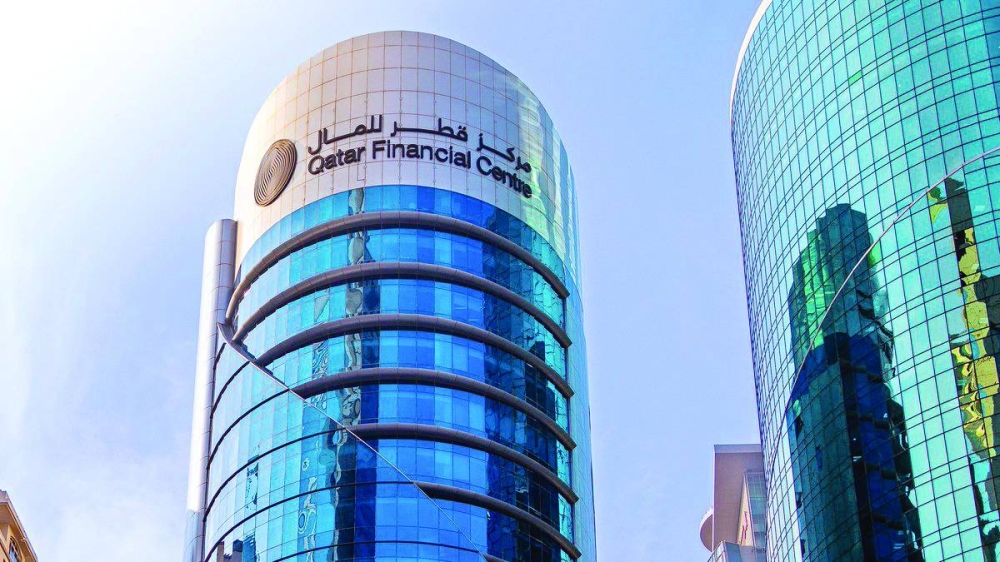
The Qatar Financial Centre’s (QFC) share of women remains far above the ratio of women’s employment in the country, even as their potential remains large, according to its skills study.The study, conducted by the QFC, in association with the International Labour Organisation (ILO) and Hamad Bin Khalifa University, provides insights into the evolving skills landscape in Qatar’s financial sector under the QFC, which hosts diverse global and domestic firms.It found women's representation remains low, accounting for an average of 33% of the workers by firm. This is equal to the share of women participating in the sector in Bahrain and above that of Saudi Arabia, where women make up 25%.However, when compared to international economies, the gender gap becomes more evident: in the US, women make up 56% of the workforce in the financial workforce, and 53% in Singapore."Despite the share of women in QFC being far above the ratio of women’s employment in the country (17%), there remains a large potential for attracting this demographic," said the study, based on 43-page questionnaire.An analysis of the share of women employees within firms reveals that those with a higher proportion of female workers (over 33%) are more likely to invest in on-the-job training and mentoring, it said.In contrast, firms with a lower share of female employees tend to rely more on external training programmes, it said, adding this finding supports the idea that women prefer relationship-based training, a tool that might be beneficial to firmsThe QFC’s financial sector consists primarily of smaller firms, with half of them (50%) employing 10 or fewer people; while medium-sized firms also hold significant weight, accounting for 41%. In contrast, large firms (50-249) make up a small share of the total composition (9%).Most firms have been established for a considerable period, with 45% operating for 16 years or more. Meanwhile, younger firms (1 to 5 years old) and intermediate firms (6-15 years) each represent 27% of the total share.The average organisational age across the sample was 11.9 years, with the youngest being 1 year old and the most established reaching 19 years of operation.The primary subsectors active within QFC’s financial sector include banking (30%), insurance (27%), investment (27%), alongside Islamic banking (9%) and other financial activities (7%).The study found that the typical financial sector worker in QFC is a non-Qatari man between the ages of 35 and 54, a trend that remains consistent across firms of all sizes and ages. However, sectoral differences emerge — younger workers are more likely to be employed in banking, while older workers are more prevalent in Islamic banking.On average, nearly 70% of employees in each firm within the QFC financial sector are between 35 and 54 years old.This is notably higher than in Qatar’s overall labour market, where this age group represents 49% of the employed population, and also higher than in the financial sector of Bahrain and Saudi Arabia, where this group accounts for 42% and 53%, respectively.In contrast, younger workers under the age of 35 make up just 23% of employees in the QFC financial firms — significantly below the national average of 46.8%, as well as below the share observed in the financial sectors of Bahrain (53%), Saudi Arabia (40%) and the US (32%).These comparisons suggest a relatively older workforce composition within the QFC financial institutions compared with both the national context and international benchmarks.

The increased maritime activities is indicative of the strong performance, especially of the non-hydrocarbons private sector and is in line with the objectives of Qatar National Vision 2030, as Mwani Qatar continues to implement its ambitious strategy to enhance the sector's contribution to diversifying the economy and strengthening the county's position as a regional trade hub
Business
Qatar’s ports display solid performance in July

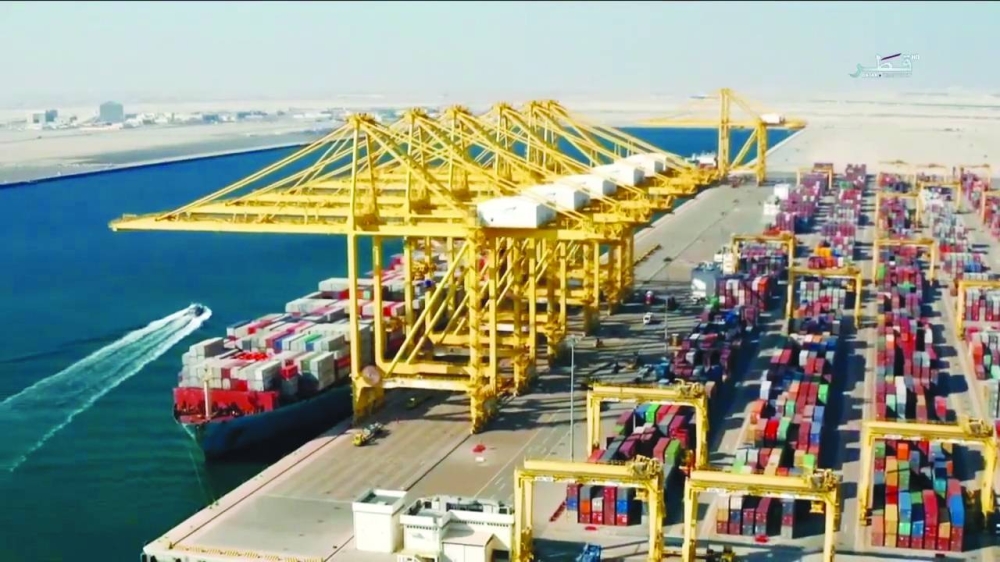
Qatar's maritime sector witnessed solid performance in July 2025 note with Hamad, Doha and Al Ruwais ports witnessing a robust year-on-year growth in ship arrivals, cargoes, livestock, building materials and vehicles (RORO), according to the data of Mwani Qatar.The increased maritime activities is indicative of the strong performance, especially of the non-hydrocarbons private sector and is in line with the objectives of Qatar National Vision 2030, as Mwani Qatar continues to implement its ambitious strategy to enhance the sector's contribution to diversifying the economy and strengthening the county's position as a regional trade hub.As many as 268 ships had called on Qatar's three ports in July 2025, which was higher by 14.04% and 15.52% year-on-year and month-on-month respectively.Hamad Port, whose strategic geographical location offers opportunities to create cargo movement towards the upper Gulf, supporting countries such as Kuwait and Iraq and south towards Oman, saw as many as 151 vessels call (excluding military) on the port in the review period.The three ports had seen a total of 1,755 vessels in the first seven months of this year.The general and bulk cargo handled through the three ports amounted to 234,424 freight tonnes in July 2025, which zoomed 77.62% and 63.82% on yearly and monthly basis respectively.Hamad Port – whose multi-use terminal is designed to serve the supply chains for the RORO, grains and livestock – handled as much as 148,501 freight tonnes of bulk and 65,899 freight tonnes of breakbulk in July this year.The three ports together handled as much as 1.04mn cargoes in January-June 2025.The three ports were seen handling 28,250 livestock heads in July 2025, which showed 39.15% and 85.5% surge year-on-year and month-on-month respectively. The ports had handled as many as 379,985 livestock heads in the first seven months of this year.The building materials traffic through the three ports stood at 52,677 tonnes in July 2025, which zoomed 137.24% and 104.63% on an annualised and monthly basis respectively.The ports had together handled as much as 378,655 tonnes of building materials during January-July 2025.The three ports handled 12,798 RORO in July 2025, which registered 4.78% and 29.5% growth year-on-year and month-on-month respectively.Hamad Port alone handled 12,699 units in the review period. The three ports together handled as many as 69,615 units in the first seven months of this year.Qatar's automobile sector has been witnessing stronger sales, notably in heavy equipment, private motorcycles and private vehicles, according to the data of the National Planning Council.The container movement through three ports amounted to 116,970 twenty-foot equivalent units (TEUs), which however declined 20.29% and 12.36% year-on-year and month-on-month respectively in the review period.Hamad Port, the largest eco-friendly project in the region and internationally recognised as one of the largest green ports in the world, alone handled 116,379 TEUs of containers handled this July.The three ports together handled a total of 859,759 TEUs of containers during January-July 2025.The container terminals have been designed to address the increasing trade volume, enhancing ease of doing business as well as supporting the achievement of economic diversification, which is one of the most important goals of the Qatar National Vision 2030.In July 2025, Hamad Port had launched new shipping route offering direct weekly sailing to major ports in East Asia and the West Coast of North America as it welcomed MSC CHARLESTON, marking the inaugural voyage of the new direct CHINOOK-CLANGA service.

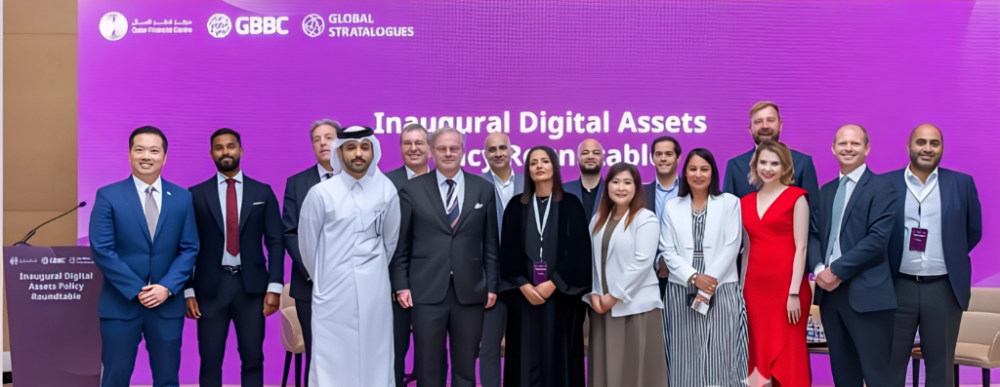
Digital Assets Policy Roundtable, hosted by the QFC at the 2025 Qatar Economic Forum.
Business
Tokenisation 'moving from speculative possibility to strategic imperative,' says QFC

With tokenisation moving from speculative possibility to strategic imperative, the Qatar Financial Centre (QFC) has underscored the need for co-ordinated, forward-looking regulatory frameworks and multi-stakeholder co-operation to unlock the full potential of real-world asset (RWA) tokenisation.In this regard, the QFC came out with a study that has recommended a five-point agenda, including the establishment of structured “tokenisation labs,” as well as ensuring MSME (micro, small and medium enterprises) lending, trade finance, and retail investment.The new report, generated in partnership with Global Stratalogues and the Global Blockchain Business Council (GBBC) was based on the discussions at the inaugural Digital Assets Policy Roundtable, hosted by the QFC at the 2025 Qatar Economic Forum."Tokenisation can unlock real value by making assets more accessible and easier to transfer. To realise this potential, we need a clear system that combines robust regulation, secure custody, and practical application. This will create a trusted environment that enables institutional adoption and drives sustainable market growth," said Yousuf Mohamed al-Jaida, chief executive officer, QFC Authority.Digital finance is at a crossroads and blockchain technology is maturing, and tokenisation is moving from speculative possibility to strategic imperative, it said, adding Qatar's approach demonstrates strategic positioning to become a regional hub for digital asset innovation while maintaining regulatory prudence and Islamic finance integration.Highlighting the need to build regulatory interoperability; the QFC study said tokenisation will not scale in a fragmented regulatory environment.Jurisdictions should collaborate on mutual recognition agreements, shared definitions, and cross-border sandbox frameworks to ensure seamless asset flows.On developing tokenisation infrastructure while ensuring market integrity; it said policymakers and market operators must co-develop core infrastructure — custody frameworks, liquidity rails, and token standards — before expanding to more complex use cases.On the need for institutionalising financial inclusion; it said tokenisation should be embedded into broader economic development strategies.MSME lending, trade finance, and retail investment access must be prioritised to translate tokenisation into inclusive capital markets.Suggesting measures to coordinate technology and policy convergence; the report said AI-blockchain convergence presents both opportunity and risk."Regulators should not treat these domains in isolation but coordinate standards, particularly on data lineage, verifiability, and compliance," it added.About establishing public-private implementation labs; it said the regulators, fintechs, and institutions should co-create implementation pathways through structured “tokenisation labs,” accelerating use case validation in real-world environments."Qatar is now well-positioned to lead regional efforts in setting standards for digital asset governance and infrastructure," it said.The QFC will continue leveraging its regulatory sandbox and strategic convening power to shape best practices in tokenisation — contributing not only to regional growth, but also to global digital finance architecture.Stressing that tokenisation must serve a purpose; Henk J Hoogendoorn, chief financial sector officer, QFC, said it should democratise access and create real-world value. Qatar is committed to making tokenisation of real-world assets a success.The QFC roundtable served as a strategic platform to examine the real-world implications, policy frameworks, and technological foundations necessary to scale RWA tokenisation. Participants called for a paradigm shift-toward infrastructure over hype, compliance over chaos, and inclusion over exclusion.

Gulf Times
Business
QTerminals appoints Marco Neelsen as GCEO

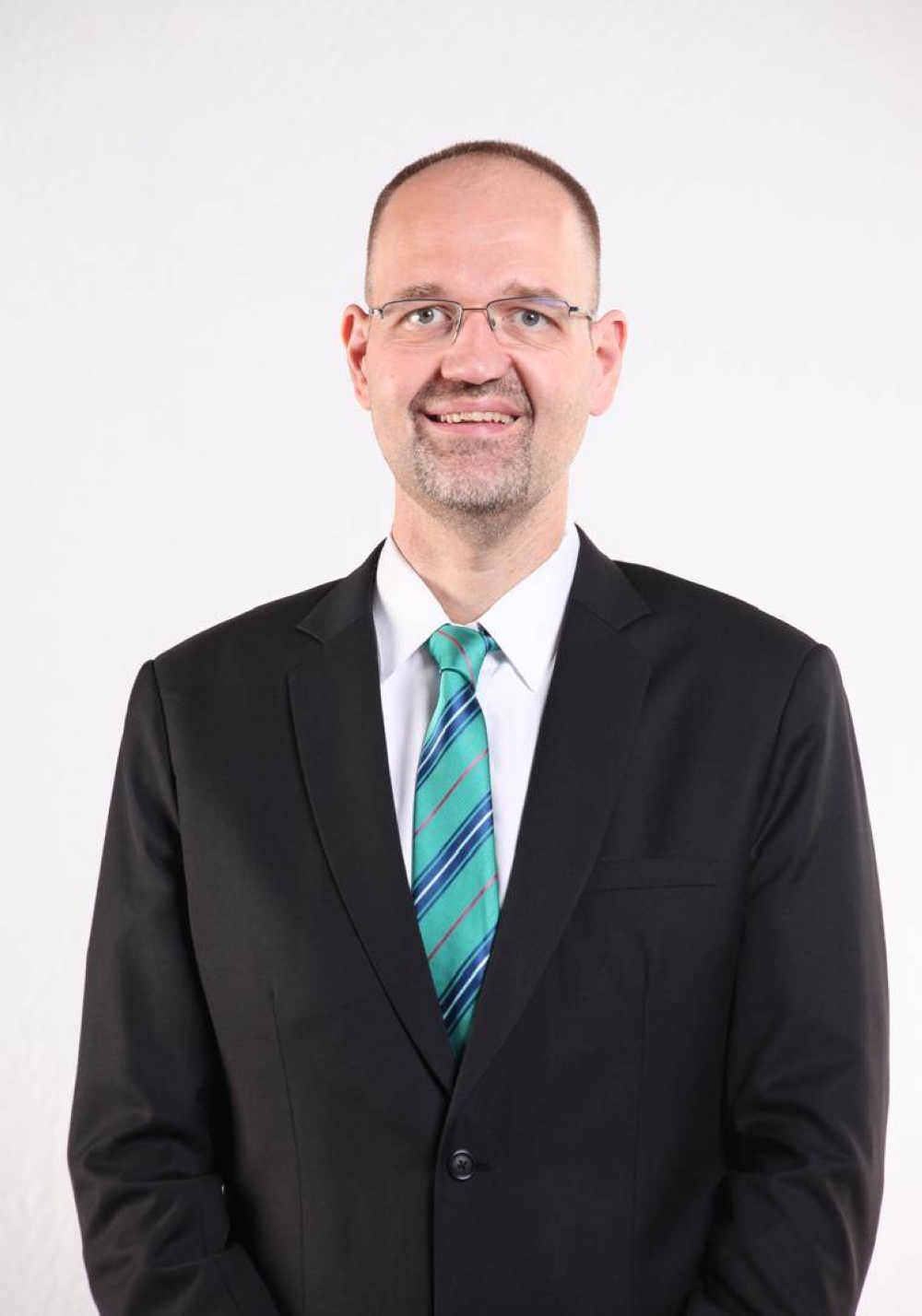
QTerminals has appointed Marco Neelsen as Group chief executive officer.Neelsen brings over 20 years of international leadership experience in the ports and logistics sector, having held senior executive roles across Asia, Europe, and the Middle East, including Malaysia, Germany, Bahrain, Jordan, and Oman.Most recently, he served as executive director at MMC Ports Holding in Malaysia. Prior to that, he was the chief executive officer of the Port of Tanjung Pelepas, one of the world’s largest terminals.His proven expertise in operational excellence, strategic transformation, and port development positions him strongly to lead QTerminals into its next phase of growth, transformation and global expansion.The board extends its sincere appreciation to Charles Meaby, who has served as acting Group chief executive officer, for his leadership and contributions during the transition period. As of August 1, 2025, Meaby will resume his role as managing director of Hamad Port.QTerminals looks forward to the leadership of Mr. Neelsen as the company continues to enhance its role as a strategic gateway for trade and logistics in Qatar and beyond.