Opinion

Saturday, February 07, 2026 | Daily Newspaper published by GPPC Doha, Qatar.
Gulf Times

Rubaiya Qatar aims to empower new generations of artists and thinkers

Qatar Museums (QM) announced the programme for Rubaiya Qatar, a new nationwide multidisciplinary contemporary art quadrennial developed under the auspices of Al Riwaq Art + Architecture, the contemporary art and architecture institution of Qatar Museums dedicated to research, exhibitions, and public art. Conceived to elevate Qatar’s international presence and empower new generations of artists and thinkers, Rubaiya Qatar will present a dynamic programme of exhibitions, commissions, public art projects, residencies, publications, and more, organised every four years under a single theme. As part of this inaugural programme, Qatar Museums also announced further details of Unruly Waters, the flagship and largest exhibition of Rubaiya Qatar. Referencing the book of the same title by environmental historian Sunil Amrith, Unruly Waters features works by more than 50 contemporary artists, many of whom have been commissioned to create new work for the project. The exhibition explores how both humans and nature have shaped today’s realities across a region spanning from the Gulf to East Asia, while also examining Qatar’s place within that region. Global outlookSheikha Reem al-Thani, Qatar Museums Deputy CEO of Al Riwaq Art + Architecture, Public Art, and Rubaiya Qatar, said: “Rubaiya Qatar builds on the growth of Qatar Museums over the past two decades, aiming to reflect the country’s aspirations by positioning Doha as a hub for global art practice. This inaugural edition of Rubaiya Qatar will foster new creative networks, support emerging artists who are pushing the boundaries of innovation, and showcase Doha as a platform for the exchange of cutting-edge ideas.” Sheikha Alanood al-Thani, Director, Rubaiya Qatar, said: “Unruly Waters locates Qatar as a meeting point for different cultures and traditions, underscoring the nation’s past and present role as a geopolitical hub. Alongside works by major contemporary artists, the exhibition will present artefacts from Qatar Museums’ extensive collections to propose new artistic and historical connections, shining a light on how the wider Gulf region has been shaped by nature and global weather systems as much as by commerce, trade, and culture.” Rubaiya Qatar will include multiple exhibitions, public artworks and activations across Qatar. Its largest exhibition, Unruly Waters, will be on view at Al Riwaq Arts + Architecture and part of Rubaiya Qatar’s multi-site activations across Qatar. Curated by Tom Eccles (Executive Director, Center for Curatorial Studies and the Hessel Museum of Art, Bard College), Ruba Katrib (Chief Curator and Director of Curatorial Affairs, MoMA PS1), Mark Rappolt (Editor-in-Chief of ArtReview and ArtReview Asia), and Shabbir Hussain Mustafa (Chief Curator, Singapore Art Museum). Tom Eccles said: “The quadrennial exhibition introduces a new type of transnational, transdisciplinary program to Doha, rooted in issues that affect both Qatar and the wider region. The artists exhibiting broadly represent the diverse nationalities that live in Qatar, while their work reflects the shared geographical, environmental and social realities of today. The programme builds upon the ambitious expansion of the arts in Doha over the past decade and represents another milestone in the evolution of Qatar’s commitment to dialogue within the international arts community.” The more than 50 artists invited to participate in Unruly Waters come from a region informed by both the ancient Maritime Silk Road and Qatar’s present demographics. A region that is locally rooted but often diasporic, and a site of artistic innovation and research and a region. Their works are engaged with the urgencies of ecologic transformation and geopolitical reality, and reflect the migratory patterns that have shaped the Gulf for more than a thousand years, continuing to today. Artists participating include Lawrence Abu Hamdan, Sophia Al Maria, Mohamed Bourouissa, Ade Darmawan, Alia Farid, Naiza Khan, Dala Nassar, Lydia Ourahmane, Marina Tabassum, and Rirkrit Tiravanija. Exhibition themes will focus on the circulation and transport of people, goods, and ideas embedded histories and memories infrastructure, and speculative futurism. The works on show span a range of media, from painting and sculpture, to moving image, storytelling, sound and performance. In all of this, art functions as a cross-border medium drawing up new solidarities and new connections. Unruly Waters will also present artefacts held by Qatar Museums, including objects from the Cirebon shipwreck, a late 9th- to 10th-century merchant vessel salvaged in 2003 in Indonesia’s Java Sea. The wreck’s cargo provides significant evidence of a Maritime Silk Road, early forms of globalisation, and trade across the Indian Ocean, suggesting a shared cultural history predating European colonialism, governed not by national borders, but by winds, tides, and rains. The wreck’s artefacts allow the exhibition to speculate on entanglements that resist conventional geographic frameworks and the separate histories of West, South, and East Asia. By presenting these objects alongside contemporary artworks, Unruly Waters aims to shine a light on a vast, interconnected Asia. Unruly Waters builds on years of research, including the 2022 exhibition One Tiger or Another, presented at Mathaf: Arab Museum of Modern Art and curated by Eccles and Rappolt, and “Water Ways: Epistemologies and Aesthetics”, a three-day academic conference organised in February 2024 by Qatar Museums, Rubaiya Qatar, and Doha Institute for Graduate Studies. Maritime heritageIn addition, Rubaiya Qatar will also present Our Common Currents curated by Lina Patmali, Acting Head of Curatorial Affairs, Rubaiya Qatar, at the QM Katara Gallery. The exhibition is anchored in Qatar, where water is a defining element of both the cultural and natural landscapes, including pearling and maritime trade heritage, nomadic traditions, and their environmental counterparts: the sea, the coast, and the deserts. Expanding to other contexts, the exhibition traces common experiences between humans and bodies of water while re-examining humans’ relationship with water to imagine sustainable, viable futures. At Mathaf: Arab Museum of Modern Art, the exhibition Seething Sea brings together modern and contemporary works by Gulf artists to reflect on the region’s historic relationship with the sea as a source of life, danger, and storytelling. Drawing on maritime myths, rituals, and cultural memory, the exhibition considers how inherited knowledge and imaginaries confront ecological degradation and rapid transformations. The exhibition is curated by Wadha al-Aqeedi, a curator and art historian. Further exhibitions, public art projects, and public programmes associated with Rubaiya Qatar include projects with Wael Shawky, Rirkrit Tiravanija, Qatar National Library, the Biennale of Sydney, and Qatar’s pavilion at the Venice Biennale. And a series of public art unveilings throughout the duration of Rubaiya Qatar includings works by Jitish Kallat and Minerva Cuevas. Rubaiya Qatar is presented as part of Evolution Nation, a campaign honouring Qatar’s cultural journey over the past 50 years, since the founding of the National Museum of Qatar, and 20 years since the founding of Qatar Museums. Curated by Qatar Creates, the national movement positioning Qatar as a global hub for art, culture, and creativity, Evolution Nation highlights both the nation’s cultural milestones and its aspirations. Rubaiya Qatar will also act as the first major program ushering in the new era of Qatar Museums.


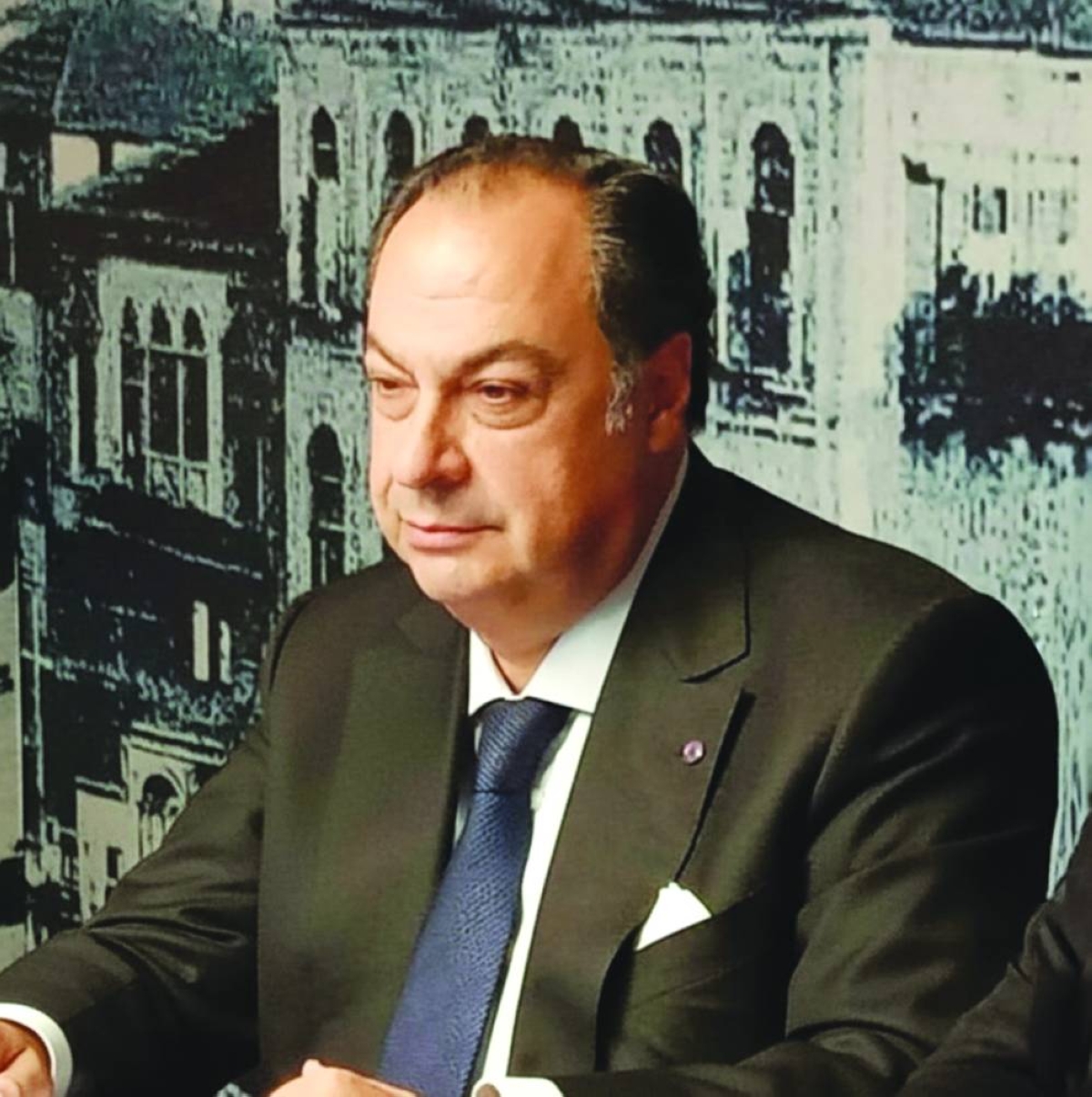
Roudi Baroudi

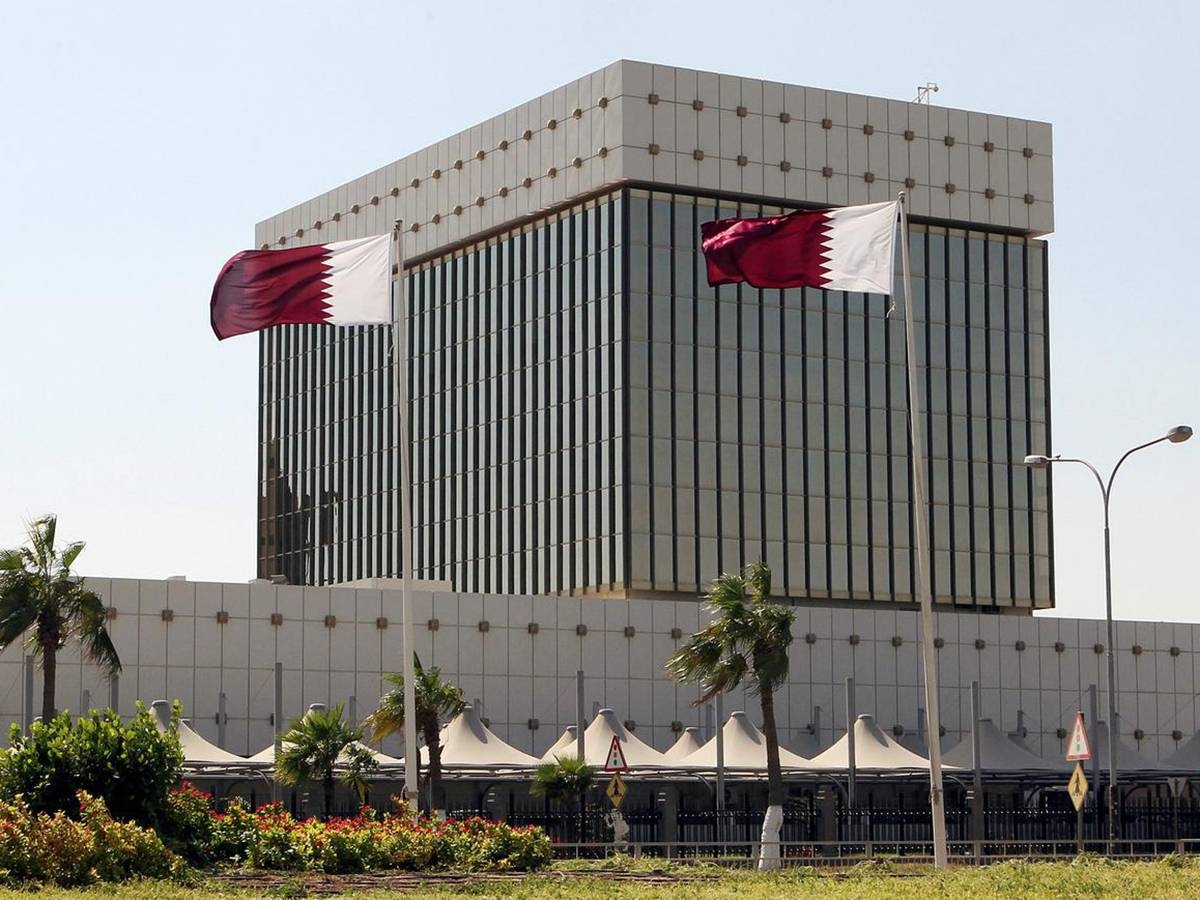
How Qatar laid foundation for LNG’s meteoric rise

It feels like the most natural thing in the world for the 21st International Conference and Exhibition on Liquefied Natural Gas taking place in Qatar this week: even the most casual observer can see how fitting it is for the LNG industry’s most important event to be hosted by the LNG industry’s most important player. This is anything but an overstatement. Several countries have larger reserves of natural gas, and some are even challenging Qatar’s dominance in the production and export of LNG, but none has done more to make the LNG industry what it is today, and the significance of that achievement is on full display now. To really appreciate what this country has accomplished, it is useful to recall some history. Until liquefaction was invented, natural gas was still very much a niche commodity because it is difficult to transport over long distances and impractical to store in large quantities. Even when production of LNG began in the middle of the 20th century, several factors slowed the industry’s development, including the exorbitant initial cost of liquefaction facilities, the need for customers to have offloading terminals with (also expensive) regasification and/or storage facilities, and the safety hazards (both real and perceived) attached to the temperatures, pressures, and volatilities involved. It was not liquefaction itself, then, that changed the equation and transformed LNG into a global commodity. Instead, it was Qatar. It was Qatar, led by the then-Amir His Highness Sheikh Hamad bin Khalifa al-Thani, that selected the right corporate partners, invested in enormous LNG production capacity, assembled the world’s largest fleet of LNG carriers, and supported the design and construction of LNG terminals and floating regasification and storage units (FRSUs) that allowed for the recruitment of customers around the world. All told (so far), Qatar has provided direct or indirect support for the development of LNG infrastructure in more than 20 countries. This radically accelerated the adoption of LNG as an everyday energy source, ensuring both steadydemand and reliable supply, which made the market far more dynamic and flexible, bringing in still more buyers and sellers. It was Qatar that then proceeded to scrupulously honour its delivery contracts through thick and thin, providing the entire global economy with cheaper, cleaner, safer energy supplies – and earning the trust of customers the world over by maintaining deliveries through all manner of possible disruptions. It was Qatar whose flagship oil and gas company, QatarEnergy, strategically invested in natural gas fields and processing facilities around the world, growing and diversifying its own portfolio while simultaneously making the LNG market even bigger, better, and more dynamic. It was Qatar that poured resources into research on gas-to-liquids and other adaptations, investigations aimed at reducing emissions by finding new ways to replace oil products with cleaner-burning natural gas. It was Qatar, too, that stepped in to pick up the slack when Europe and other parts of the free world found their usual supplies halted or curtailed, making the country a trusted partner in the maintenance of global economic stability. This visionary approach has not only empowered Qatar to improve the lives of its inhabitants: it also has opened the door for others to follow similar paths. Before the advent of liquefaction, countries that discovered deposits of natural gas within their borders were limited in what they could do with it because it couldn’t be shipped very far without a pipeline. Even when LNG became a possibility, the billions of dollars required to build the necessary facilities served as a powerful impediment, constituting not just a feasibility hurdle but also a potential avalanche of debt, especially since the high cost of receiving facilities also strictly limited the number of potential customers. To be sure, these accomplishments were not secured without help. Several energy heavyweights have partnered with Qatar in its endeavours, including ExxonMobil, TotalEnergies, ConocoPhillips, Shell and others, and the industry itself has been working on the technologies required for breakthrough for decades. Crucially, the LNG Conference Series has played a significant role, too, by bringing industry luminaries together for high-level discussions, tirelessly promoting sensible policy approaches, and abetting healthy information exchange and other forms of co-operation. It was Qatari vision and Qatari money, though, that made Qatar the indispensable catalyst for all that has followed. Other countries have piled into this space in recent years – most conspicuously Australia and the United States – but it was Doha’s original bet that created the market in which others now operate. Amazingly, LNG is now becoming even more important because, as most of the world seeks to combat climate change by reducing carbon emissions, LNG’s status as the cleanest fossil fuel makes it a crucial bridge to the future. For those who have long understood the broader implications and overall utility of LNG, the here and now is a great place to be. Let’s all remember, though, not just WHY we’re here, or even HOW we got here, but also – and above all else – WHO got us here. As though all of the energy achievements were not enough, under both the Father Amir His Highness Sheikh Hamad bin Khalifa al-Thani and his successor, His Highness the Amir Sheikh Tamim bin Hamad al-Thani, Qatar has leveraged its growing economic and diplomatic clout, not just to protect its own interests, but also to mediate in disputes involving other countries. Energy revenues and relationships have allowed Qatar to develop significant international influence, and itsforeign policy strives to wield that influence responsibly, stressing dialogue and diplomacy and promoting peace at every turn. It is a foreign policy designed to preserve Qatar’s sovereignty and independence by seeking friendly relations with as many countries as possible, maintaining strong alliances, avoiding frictions, and seeking open engagement with other societies without ever interfering in their internal affairs. All things considered, despite the fact that Qatar was not the first country to produce LNG, and even though other countries may surpass its output, none will ever replicate its role in having brought the entire market to life. When I attended my first LNG Conference Series event in the 1990s, the audience was very much a specialised industry crowd: lots of smart people having lots of interesting conversations, but few people outside the industry took any notice. By contrast, this week’s proceedings have attracted national and international corporate leaders, as well as other senior officials representing virtually every major government and every major gas company on the planet, and dozens of media outlets are covering the event. LNG has very much arrived, and as we plan for even better times ahead, we should never forget WHO got it here.It was Qatar. Roudi Baroudi has more than four decades of both private- and public-sector experience in the energy industry. The author of several books, articles and research papers, he currently serves as CEO of Energy and Environment Holding, an independent consultancy based in Doha.