


|
It is now a £1bn market across Europe, growing by the day, and one in which a new generation of brand-obsessed British consumers are prepared to risk their health, and even their lives, in order to save money. |
Counterfeit goods have gone mainstream. A new report by accountants PwC reveals British adults admitting that they regularly buy fake designer clothes, bags, accessories and perfumes as well as potentially lethal counterfeit alcohol, medicines and cigarettes.
Illegal copies of films, car parts and even dangerous electrical goods are also in big demand.
The report shows that 18% of consumers admit to buying fake alcohol, despite the presence of toxic solvents that can cause blindness and even death. Some 16% said they had bought counterfeit medicines - often useless or dangerous versions of well-known drugs such as Viagra or slimming pills - and 13% have bought imitation branded cigarettes, despite the obvious health risks of such products.
Consumers have clearly ditched their scruples in their enthusiasm to own a pair of hair straighteners with GHD written on the side, or headphones emblazoned with the Beats by Dr Dre logo.
They told PwC researchers that they were more worried about their bank details being stolen by counterfeiters and dubious traders than by the prospect of being caught and prosecuted.
They know goods are deliberate rip-offs of popular designer brands, but only a third of buyers worry about getting caught. Counterfeit or “knock-off” goods have long been sold at car boot sales, pubs, markets or fairs, making it difficult for fraudsters to be traced. But fake merchandise has also moved online, presenting huge challenges for auction sites such as eBay, which are trying to crack down on counterfeiting and piracy.
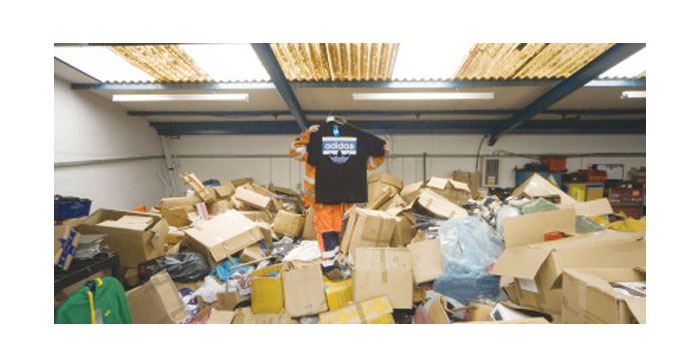
The PwC report come two weeks after the UK’s biggest single counterfeit raid, when nearly £3mn-worth of fake goods were seized from market stalls in south Warwickshire following a joint agency operation which led to four arrests.
More than 20 police officers, including members of the special constabulary for both Warwickshire and West Mercia forces, were involved in the all-day raid at Wellesbourne Market. Goods recovered from the market, vehicles, and homes that were subsequently raided included fake SuperDry T-shirts and jackets and copycat Ugg boots together with pirate DVDs, counterfeit branded trainers, watches, jewellery, make-up, electrical items and perfume.
Illicit trade and counterfeiting is a growing problem across the world, the report says. Estimates vary, but global sales of copycat goods are now put at $650bn a year.
In Europe alone, almost 40mn products were impounded by EU customs in 2012, with an estimated value of £1bn, according to the EU Commission’s annual report on customs actions.
Demand for must-have “branded” designer headphones and gadgets such as hair straighteners have fuelled sales of copycat devices to such an extent that there has been a six-fold increase in the number of counterfeit and potentially dangerous electrical goods seized in the UK in the past four years.
Professor Paul Wallace, chief medical adviser for the charity Drinkaware, said that commonly used substitutes for ethanol in fake spirits “include chemicals used in cleaning fluids, nail polish remover and automobile screen wash, as well as methanol and isopropanol which are used in anti-freeze”.