


|
New research papers on epilepsy, multiple sclerosis (MS) and stroke presented recently at the 9th Qatar Neurology Symposium have drawn a large audience of neurologists and neurosurgeons from Qatar and abroad. |
The symposium, organised by Neurology Department at Hamad Medical Corporation (HMC), was inaugurated by Medical Education Department assistant executive director Dr Omar Zaghmout on behalf of director and medical, academic and research affairs deputy chief Dr Abdullatif al-Khal.
In the welcome address, the organising committee chairman Dr Boulenouar Mesraoua stressed the importance of the conference as an opportunity to exchange diagnostic and therapeutic knowledge and expertise, as well as to discuss the latest advances in neurological sciences.
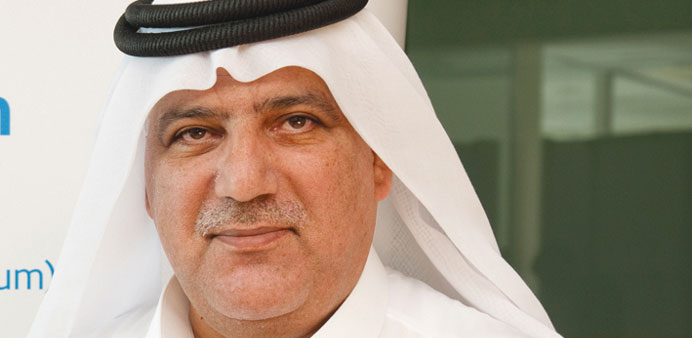
Neurology senior consultant and symposium co-chairman Dr Hassan al-Hail, observed that epilepsy is a neurological disorder that affects 0.5% of the population of any society. The estimated number of people who currently have epilepsy worldwide is 6mn. This disorder is treated by medications, surgery, and other treatment methodologies.
According to Dr al-Hail, intravenous admixtures or anaesthesia can be a treatment option for persistent epileptic seizures taking into consideration that a seizure which lasts for more than 30 minutes can be a life-threatening condition as it may lead to brain injury and other organ failures.
“If a seizure persists for more than five minutes, an ambulance should be called and the patient must be put on a ventilator in order to stop convulsions and protect the patient’s brain and other organs against damage. Patients on epilepsy medications should not stop taking such medications without consulting their physicians to avoid possible sudden seizures,” he stressed.
Surgery may be the best option for patients with focal epileptic seizures that persist despite other treatments, he suggested.
Surgery candidate would preferably be those with focal seizures originating in the right hemisphere of the brain far from vital function cells that can be affected or impaired as a result of surgery, he noted.
Dr al-Hail said some epileptic disorders are common amongst children, suggesting that 45-60% of these disorders, which are attributed to congenital cerebral cortex malformation, can be treated by surgery.
In a brief reference to MS, the third major topic on the agenda of the symposium, Dr al-Hail pointed out that the causes are not clear of the disease in which the insulating covers of nerve cells in the brain and spinal cord (Myelin) are damaged. Symptoms of MS include loss of sensitivity or changes in sensation, difficulty in moving, visual problems, difficulties with co-ordination and balance, and, in acute cases, the disease may be characterised by physical impairment.”